
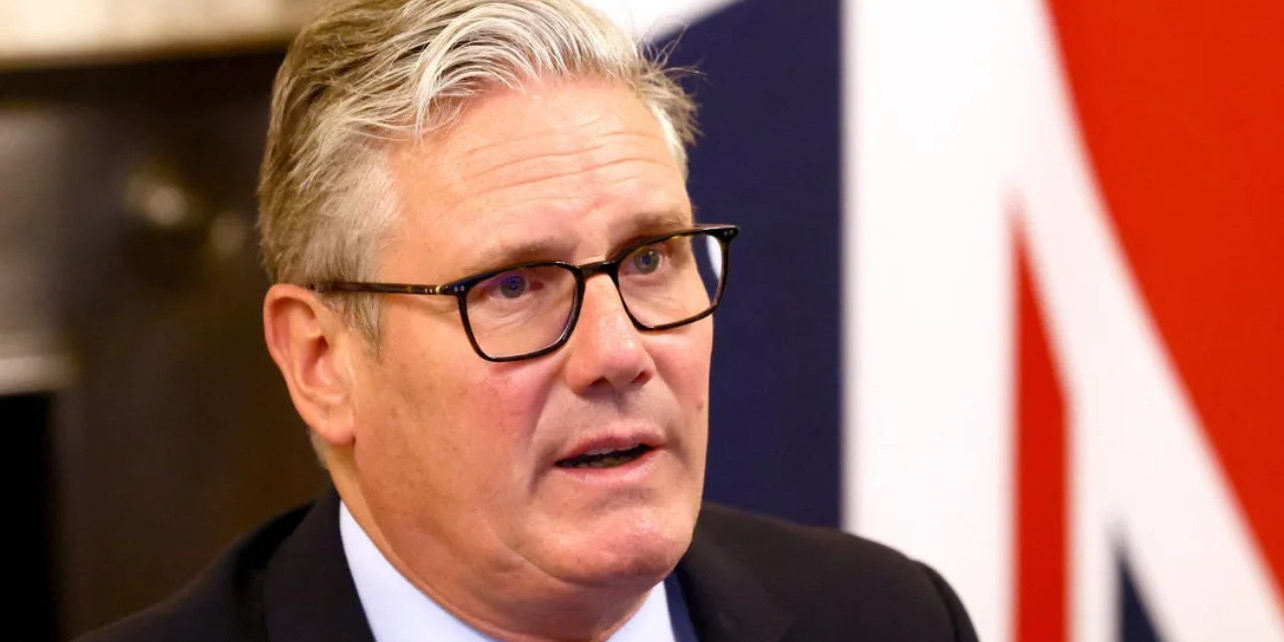
Sir Keir Starmer has launched a major reshuffle of the Home Office in an attempt to tackle Labour’s deepening crisis over illegal migration, policing and grooming gangs, as Reform UK extends its lead in the polls.
The Prime Minister has moved former Home Secretary Yvette Cooper into the role of Foreign Secretary, just weeks after she set out her vision for the Home Office. Her departure follows mounting criticism of Labour’s handling of small boat crossings, which reached a record 50,000 this summer, as well as widespread anger over the use of migrant hotels.
The reshuffle brings in Dover MP Mike Tapp, a former soldier and first-time MP who has called for changes to how the European Convention on Human Rights (ECHR) is interpreted. Mr Tapp, whose constituency is at the frontline of the small boats crisis, joins the Home Office as a junior minister in a move widely seen as an attempt to outmanoeuvre Nigel Farage’s Reform Party.
Although Downing Street has not commented directly, it is understood concerns over the Home Office’s performance drove the decision. Labour has been struggling to counter accusations of weakness on immigration, while protests outside migrant accommodation have fuelled public anger.
Reform UK seized the moment by putting Lucy Connolly, dubbed by supporters as “a political prisoner”, on stage at its conference. Ms Connolly previously caused controversy with a tweet suggesting migrant hotels should be burnt down during the riots following the Southport murders.
Starmer’s new Home Office team will be led by Shabana Mahmood, the former Justice Secretary, who has been described as a more robust figure to address the migration crisis. The Prime Minister also moved to refresh his campaigning team, appointing Anna Turley as party chair while demoting Ellie Reeves to solicitor general.
Elsewhere in government, Douglas Alexander has been appointed Scottish Secretary, replacing Ian Murray, who has been shifted to the culture and science brief. Business and Trade also saw a clearout, with Jason Stockwood, the former Match.com boss, stepping in as trade minister.
But the reshuffle has sparked anger within Labour ranks. Former MP Rosie Duffield, now sitting as an independent, told Times Radio the changes were like “shuffling deck chairs on the Titanic”. Labour MP Ian Lavery warned that the party “needs a change in direction or face the consequences”, adding: “It’s undoubtedly a move to the right of the party with no real surprises.”
Rachael Maskell, suspended earlier this year over a welfare rebellion, criticised the reshuffle, saying: “Little changes with Labour’s reshuffle as there is little change. What is needed is a change in culture, to be the great inclusive and progressive party we were created to be.”
There is also discontent over the sacking of farming minister Daniel Zeichner, who had been managing anger over Labour’s inheritance tax reforms. One minister told The Independent: “It was clear the PM did not want to talk, he was hurrying the conversation on. He gave me no reason why I had to leave my job.”
Starmer is now facing growing unease that the removal of Angela Rayner and Ian Murray leaves Labour without strong voices from its left flank, with critics arguing the Cabinet is increasingly unbalanced. However, allies of Ms Rayner insist she will not remain silent on the back benches. One told The Independent: “Angela will not be quiet on the back benches. She will speak out and has a lot to say.”
The Prime Minister will hope his reshuffle can steady Labour ahead of next year’s Scottish and Welsh elections, where failure could trigger moves within the party to remove him. But with Reform gaining momentum, Labour’s struggle over immigration and party unity is far from resolved.
