
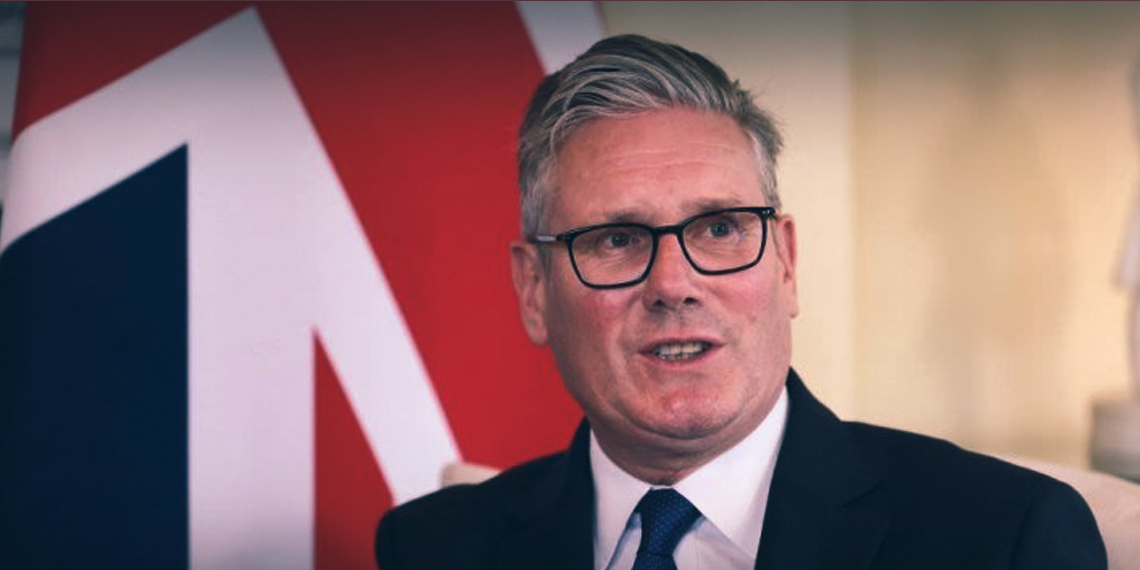
Prime Minister Keir Starmer has begun a sweeping Cabinet reshuffle following the dramatic resignation of Angela Rayner as deputy prime minister and deputy Labour leader.
Rayner stepped down on Friday after it was confirmed she had breached the ministerial code over unpaid stamp duty. Her departure also saw her resign as housing secretary and deputy leader of the Labour Party, leaving a significant gap in both government and party leadership.
The shake-up, originally expected to be a modest reshuffle in the autumn, has escalated into a major restructuring of Starmer’s Cabinet team.
Commons Leader Lucy Powell has been removed from her post, while Scotland Secretary Ian Murray has also been dismissed, according to senior Labour sources. Powell confirmed her sacking in a statement, saying: *“I spoke to the Prime Minister earlier today and he informed me of his intention to appoint a new Leader of the House of Commons.”*
She added that the government faces a period of difficulty, noting: *“People want to see change and improvements to their difficult lives… As women in public life, we experience this all the more. The future of our democracy looks uncertain and Parliament and representational politics has an important role to play.”*
The reshuffle comes shortly after Starmer appointed Darren Jones as chief secretary to the Treasury, in what has been described as the “phase two” reset of his Downing Street operation.
Sources within the Ministry of Housing, Communities and Local Government (MHCLG) told The Times they are concerned the department could lose influence in the reshuffle. The creation of Jones’s role has added pressure, as the number of ministerial posts is capped by law. This has fuelled speculation that MHCLG could be restructured, raising questions about the future of key housing and devolution priorities.
Starmer’s reshuffle is expected to continue throughout the day, with attention firmly on who will replace Rayner and how the Prime Minister will rebalance his Cabinet team at a crucial moment for the Labour government.