
More than 13,000 opioid deaths in England and Wales have been missed from official statistics, according to new research, raising serious concerns about how the UK government is tackling drug addiction.
A peer-reviewed study from King’s College London, published in the International Journal of Drug Policy, revealed that between 2011 and 2022 there were 39,232 opioid-related deaths — more than 50% higher than previously reported by the Office for National Statistics (ONS).
Missed deaths due to gaps in reporting
The discrepancy arose because the ONS does not have access to post-mortem or toxicology reports, which often list the specific substances that caused a death. Instead, ONS data relies on coroners naming the drugs on death certificates — something researchers say happens inconsistently.
As a result, the scale of opioid addiction has been significantly underestimated. The number of opioid-related deaths per million people in England and Wales has nearly doubled since 2012, suggesting the crisis is deeper than official figures show.
The human impact of underreporting
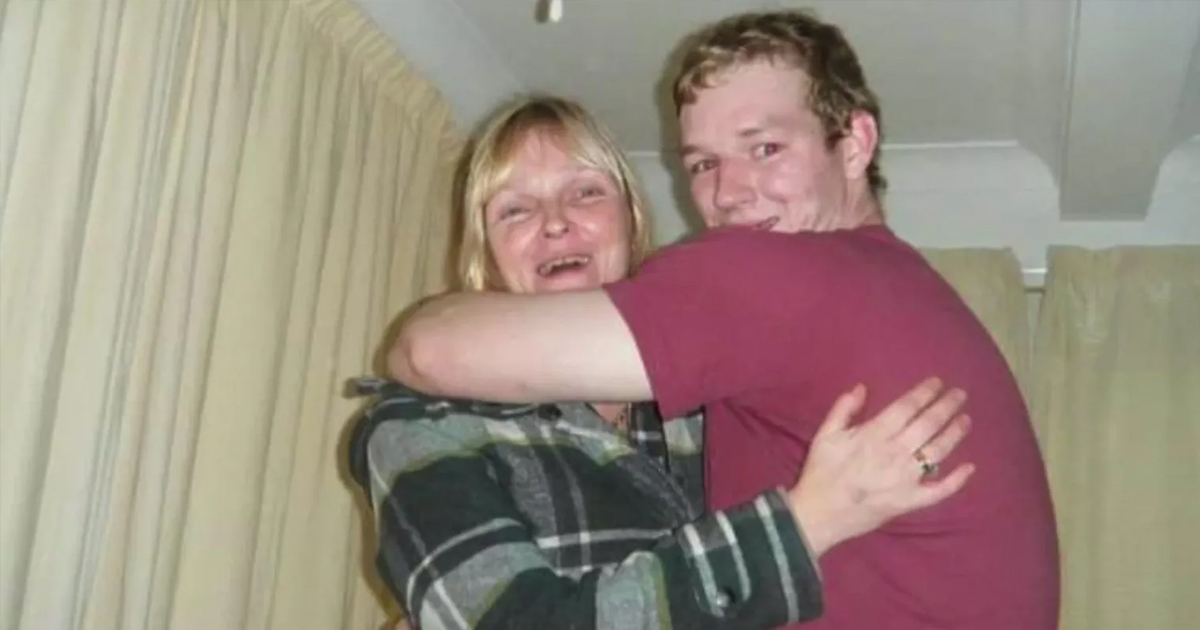
Families of those who died from overdoses say the reporting failures have masked the reality of the epidemic. Hilary, whose 27-year-old son Ben died from a heroin overdose in 2018, said his death was ruled as “misadventure” and never included in opioid death statistics.
“Ben was just a very kind person. We miss him every day,” she said. His family believes better treatment and more accurate reporting could have made a difference.
Wider drug-related undercounts
The research team also found that nearly 2,500 cocaine-related deaths have been missed over the past decade. Experts warn that inaccurate data weakens government policy, reduces funding for frontline services, and leaves public health strategies underprepared.
Dr Caroline Copeland, who led the study, said: “Drug policies will not have the desired impact unless the true scale of the problem is known. We need coroners to be aware that not naming specific drugs has serious consequences for public health planning.”
Calls for government action
The Liberal Democrats have called on the government to urgently investigate how the error was made. Helen Morgan, the party’s health spokesperson, said: “I dread to think of the lives lost due to damaging policies based on faulty stats. The ONS must be given the access it needs so this can never happen again.”
David Sidwick, drugs lead for the National Association of Police and Crime Commissioners, added that accurate data would have secured more treatment funding and supported new methods such as buprenorphine injections to help heroin users recover.
ONS and UK reporting
The ONS has faced criticism for failing on several statistical fronts, including jobs and immigration data. A government review earlier this year identified “deep-seated” issues within the body.
In Scotland, opioid deaths are reported differently under National Records Scotland, which has access to pathology reports and therefore avoids the same reporting gaps.
The Department of Health and Social Care said it is working with health services, police, and local authorities to improve treatment access and reduce drug-related harm. But critics argue that without accurate statistics, government strategies will continue to fall short.
