
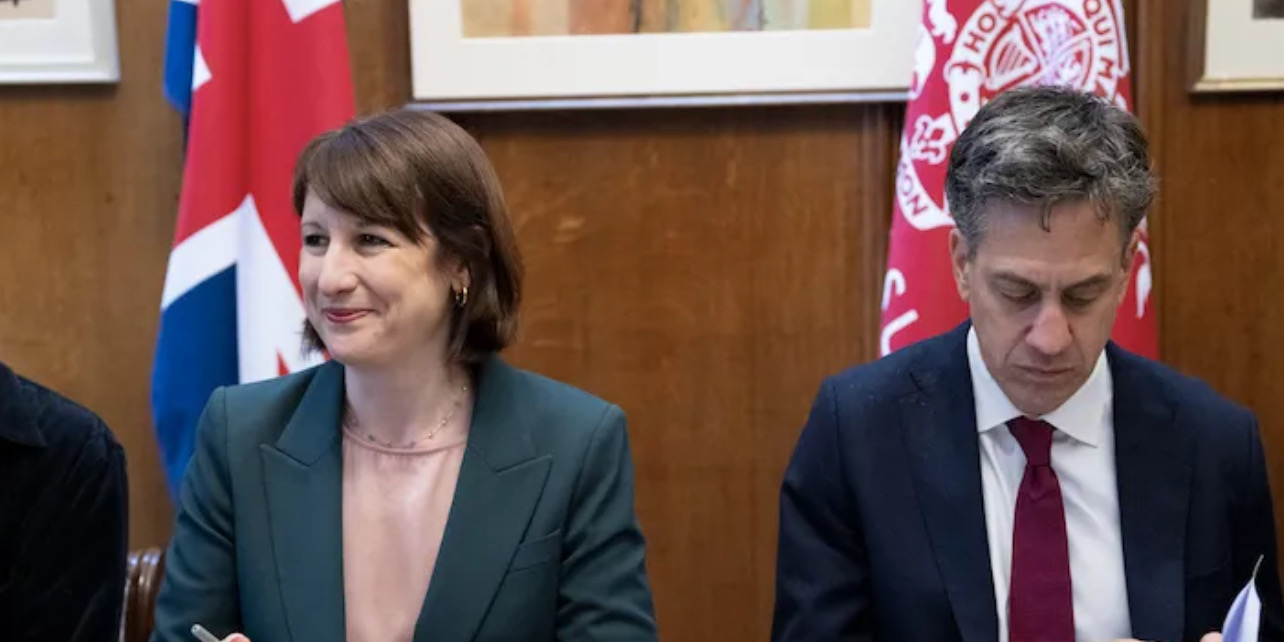
Chancellor Rachel Reeves is weighing up scrapping VAT on household energy bills and reducing green levies as Labour comes under mounting pressure to deliver on its promise to cut living costs.
Reeves is under pressure to respond to the growing popularity of Nigel Farage’s Reform UK, which has made energy costs a central battleground by pledging to scrap the net zero target it blames for job losses and soaring household bills, particularly in north east Scotland.
Lowering or removing the 5 per cent VAT rate on domestic energy bills would cut an average household’s annual costs by £86. However, Treasury officials estimate the move would cost the Exchequer £1.75 billion a year based on the current energy price cap.
Scrapping green levies altogether would knock £215 off bills, though officials question whether such a move is compatible with the government’s net zero commitments. Energy and Net Zero Secretary Ed Miliband, who has already imposed a moratorium on new oil and gas exploration licences in British waters, insists that Labour’s long-term strategy will reduce bills. He has promised to cut household energy costs by £300 by 2030, partly through expanding wind power.
But with households and businesses continuing to see energy prices rise, critics are sceptical of Miliband’s ability to deliver.
A Treasury source told The Sunday Times that Reeves and the prime minister are determined to act: “The Chancellor and the prime minister are determined to tackle inflation and get serious about bringing down energy bills.”
The prime minister is expected to make the cost of living the centrepiece of the 26 November budget, offering a more positive message ahead of Christmas. However, Labour’s failure to deliver on a key election pledge has seen its poll ratings slip, with the party trailing Reform for several months.
Energy bills are set to rise again, with the price cap for a typical household paying by direct debit increasing by 2 per cent to £1,755 from 1 October.
A report from the Resolution Foundation found that about one million households are already behind on their gas and electricity bills, while energy debt has climbed over the past decade.
Reform argues that subsidies for green energy firms are inflating costs without driving innovation. The party says such companies should operate commercially rather than relying on taxpayer funding.
