
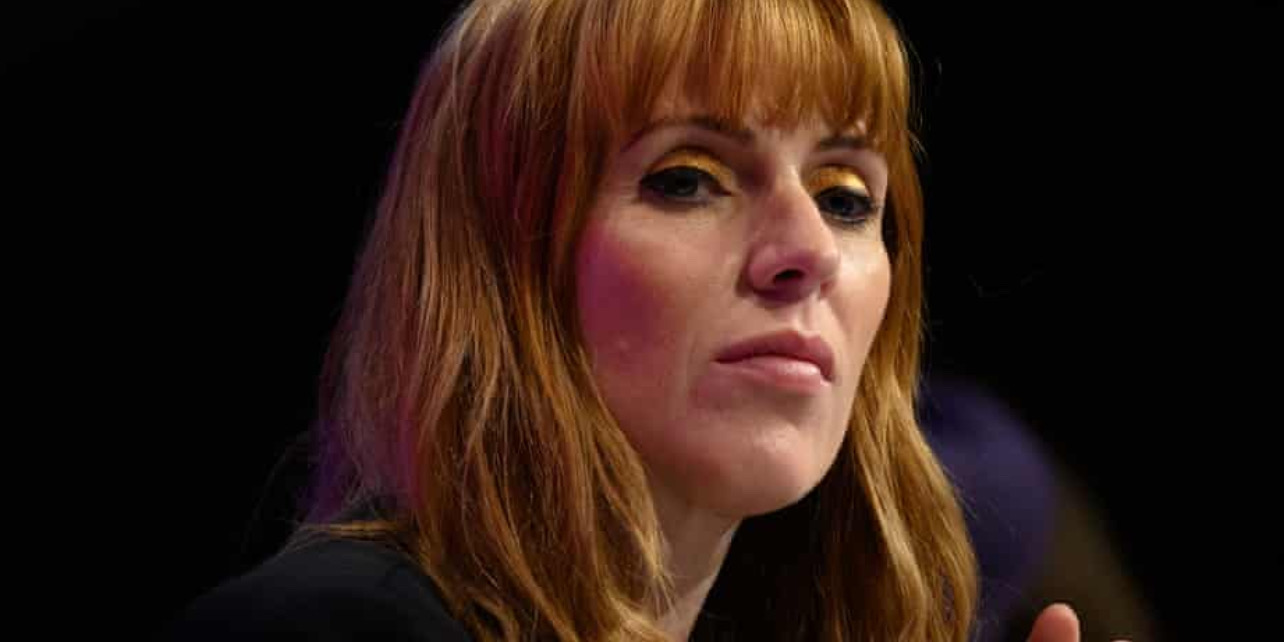
Prime Minister Keir Starmer is fighting to regain control of his government after Angela Rayner resigned as deputy prime minister, Labour deputy leader, and housing secretary over a tax controversy. The scandal, linked to underpaid stamp duty on her Hove property, has sparked turmoil inside Labour and raised questions about its credibility as it faces growing pressure from Reform UK.
Rayner admitted to underpaying about £40,000 in stamp duty on her seaside flat and resigned after the ethics watchdog, Sir Laurie Magnus, concluded she had breached the ministerial code. Though he praised her “dedicated commitment to public service,” Magnus ruled her failure to seek specialist tax advice was a breach.
In her resignation letter, Rayner said she “deeply regrets” her actions and highlighted the toll of media scrutiny on her family. Starmer, in a handwritten note, expressed “real sadness” at her departure, calling her a “major figure in our party.”
Labour Braces for Deputy Leadership Contest
Rayner’s exit leaves Labour without one of its strongest working-class voices at a critical time. Downing Street now faces a fierce deputy leadership contest that could push Starmer toward a new direction. Reform UK leader Nigel Farage seized on the crisis, branding Rayner’s actions “screams of entitlement” and predicting a possible Labour split and even a general election by 2027.
The controversy adds to Labour’s challenges following a summer dominated by migration debates and comes ahead of Chancellor Rachel Reeves’ expected tax rises this autumn.
Starmer Launches Emergency Cabinet Reshuffle
In an effort to stabilize his government, Starmer brought forward a major cabinet reshuffle. Yvette Cooper was appointed foreign secretary, while Shabana Mahmood became home secretary, marking the first time three great offices of state are held by women. David Lammy took over as justice secretary and was also named deputy prime minister.
Other moves included Liz Kendall shifting to science and technology, Peter Kyle becoming trade secretary, and Douglas Alexander returning as Scottish secretary. Lucy Powell and Ian Murray were sacked in a reshuffle shaped by Starmer’s chief of staff Morgan McSweeney, signaling a shift further to the political right.
Labour’s Struggle to Reconnect with Voters
Rayner’s departure could further weaken Labour’s appeal to its traditional voter base, already eroded by economic pressures and the rise of Reform UK. While Starmer aims to present stability, Labour now faces a turbulent autumn with internal divisions, rising taxes, and public confidence at stake.