
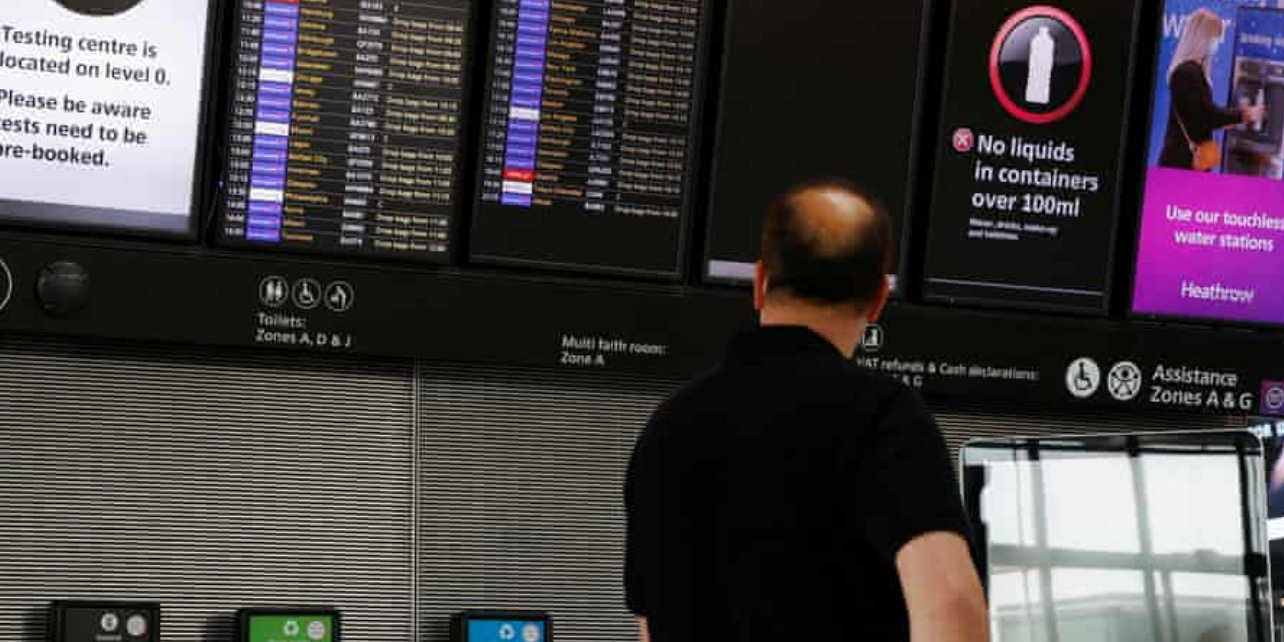
Flights at several major European airports, including London Heathrow, Brussels, and Berlin, have faced widespread delays and cancellations following a reported cyber-attack on Collins Aerospace, a key service provider for global airline check-in and boarding systems.
The disruption began on Friday night, September 19, and has affected passengers across Europe and beyond. Authorities confirmed that Collins Aerospace, which supplies critical systems for multiple airlines, is working to restore operations after what has been described as a “technical issue” linked to a cyber incident.
Heathrow Airport Advises Passengers to Check Flights
Heathrow Airport issued a statement urging passengers to verify their flight status before heading to the airport. Travelers are advised not to arrive earlier than three hours before a long-haul flight or two hours before a domestic one. Additional staff have been deployed to assist at check-in areas to help reduce disruption.
Brussels Airport Confirms Cyber-Attack
Brussels Airport directly acknowledged the cyber-attack on the systems provider, explaining that only manual check-in and boarding were currently possible. “This has a large impact on the flight schedule and will unfortunately cause delays and cancellations of flights,” the airport confirmed.
Berlin Airport Reports Longer Waiting Times
Berlin Airport also reported significant waiting times due to the outage at the systems provider operating across Europe. A statement said teams were working on a rapid solution while passengers were urged to stay updated through their airlines.
Broader Impact on European Aviation
Collins Aerospace, a subsidiary of Raytheon Technologies, provides aviation technology and systems to airlines worldwide. A failure of its services has a knock-on effect across multiple airports, highlighting the aviation sector’s vulnerability to cyber threats.
This is not the first time airports in Europe have faced digital disruptions. Cybersecurity experts warn that such attacks pose growing risks to international air travel, with potential consequences for safety, passenger confidence, and airline revenues.
Passengers are advised to remain in contact with their airlines and avoid unnecessary travel to airports unless their flights are confirmed.
