
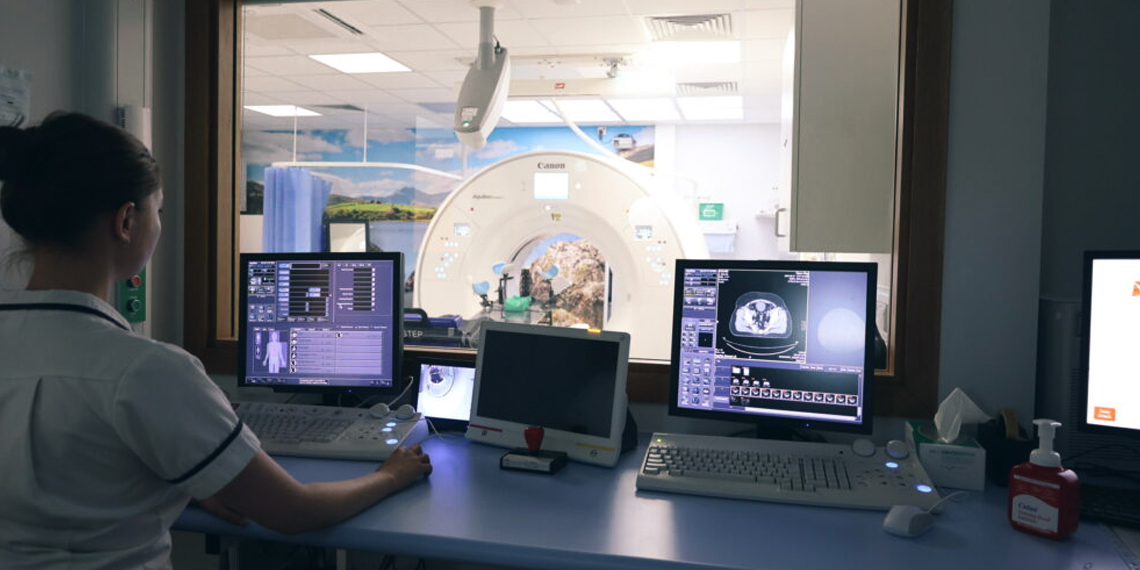
Cancer cases in Wales are projected to rise by 11 per cent over the next ten years, according to new modelling published by Public Health Wales.
The report, Cancer in Wales – Trends and Projections, estimates that around 24,000 new cancer diagnoses will be made by 2035, compared to 21,600 expected in 2025. The increase is largely linked to the country’s ageing population.
Between 2005 and 2025, the number of people aged 65 and over in Wales has risen by 186,000. This figure is forecast to grow by a further 135,000 by 2035, with older age remaining one of the strongest risk factors for cancer.
Cancer is already one of the leading causes of death in Wales, accounting for one in four deaths. In 2024, 9,123 deaths were recorded as cancer-related – 10 per cent higher than in 2002, despite improvements in treatment and survival rates.
The four most common cancers – prostate, breast, lung and colorectal – make up just over half of all cases. Lung cancer continues to cause the highest number of deaths, largely because it is often diagnosed at a later stage.
Projections suggest that by 2035, cases of prostate, breast and bowel cancer will continue to rise, while no clear estimate has been made for lung cancer due to changing smoking patterns and the launch of a national screening programme in 2027.
The report also highlights deep inequalities in cancer outcomes across Wales. After adjusting for age, cancer incidence is 20 per cent higher in the most deprived communities compared to the least deprived, with survival rates also lower. These inequalities have shown little improvement over the past 20 years.
Public Health Wales stresses that around 40 per cent of cancers could be prevented through lifestyle changes, including reducing smoking, tackling obesity, cutting alcohol consumption, preventing HPV infection, and limiting UV exposure.
Dr Llion Davies, Consultant in Public Health Medicine at Public Health Wales, said the rise in cancer cases reinforces the need for investment in prevention and early diagnosis.
He added that tackling inequalities will also require improvements in the wider building blocks of health, including housing, education, employment and community support.
