
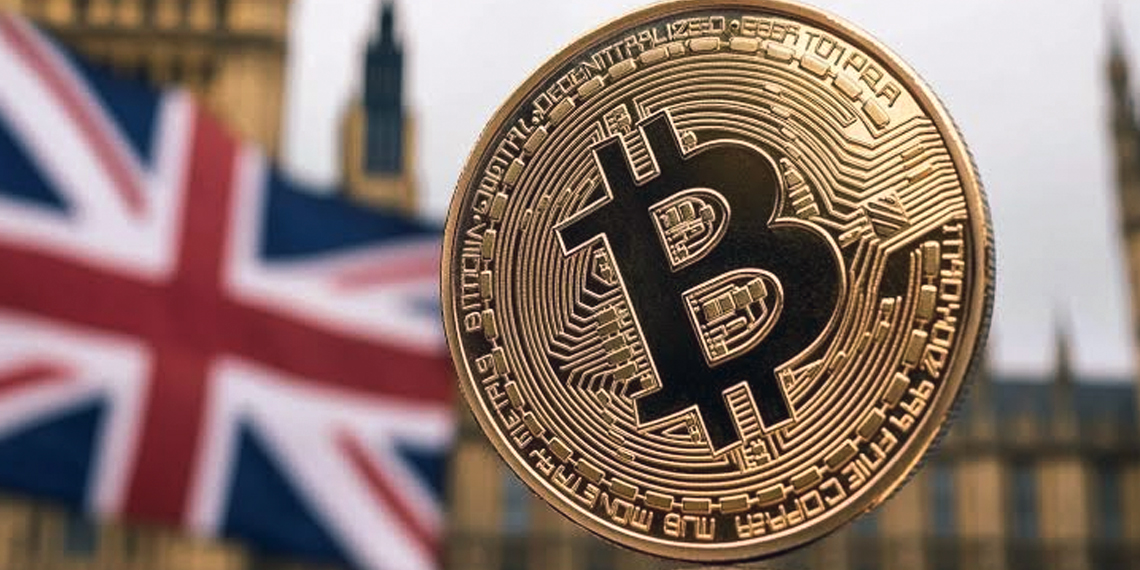
The UK’s latest sanctions package sends a clear warning: sanctions evasion is no longer just about individuals or companies—it is a hybrid problem that spans both traditional banks and crypto networks. By targeting the financial “plumbing” behind Russia’s war economy, London is signaling that every channel moving money is now under scrutiny.
$9.3 Billion Moved Through Stablecoin Networks
A key example is the ruble-pegged stablecoin A7A5, which saw more than $9.3 billion in flows in just four months. Much of this activity occurred through closed crypto networks designed to dodge international oversight. New targets include exchanges such as Grinex and Meer Exchange, which stepped in after the sanctioned Garantex was shut down.
The sanctions also extend to Kyrgyz banks, companies, and individuals, reflecting the UK’s recognition that stablecoin activity is central—not fringe—to sanctions evasion. For UK banks and firms linked to Central Asia, the risks of indirect exposure are rising sharply.
UK Aligns with US and EU on Sanctions
This package keeps Britain in lockstep with both Washington and Brussels. In recent talks between President Volodymyr Zelenskiy and Prime Minister Keir Starmer, allies agreed to tighten cooperation. For UK banks and crypto firms, this translates to tougher compliance checks, stricter vetting of partners, and the possibility of asset freezes for those dealing with ruble-backed tokens.
Exchanges that fail to maintain solid anti-money laundering and customer verification processes also risk secondary sanctions—a step that could cut them off from global markets.
Push for Stablecoin Regulation
The move adds momentum to calls for stronger rules on stablecoins and cross-border token flows. Analysts note that A7A5 transactions resemble traditional banking, operating mainly on weekdays within a closed loop. TRM Labs has tracked over $41 billion in related transfers since early 2025, underscoring the scale of the problem.
London’s sanctions complement US dollar restrictions, creating a coordinated chokehold on both legal and crypto-based financial flows.
Closing Loopholes Before They Widen
Russia’s evasion tactics are evolving rapidly, blending conventional financial tools with crypto systems that provide liquidity, speed, and opacity. The UK’s approach is to close gaps before they expand, while warning businesses worldwide: weak compliance around stablecoins or Central Asian partners could bring severe consequences.
Experts caution that Moscow may shift further into decentralized finance platforms or peer-to-peer networks, making international cooperation and technology investment vital to keep sanctions effective.
A New Global Standard
By targeting both banks and blockchain, the UK has redefined how sanctions are enforced. This is not symbolic; it is about protecting the integrity of global financial systems. Stablecoin transactions, crypto networks, and traditional banks are all under the same spotlight—and the compliance bar is higher than ever.
