
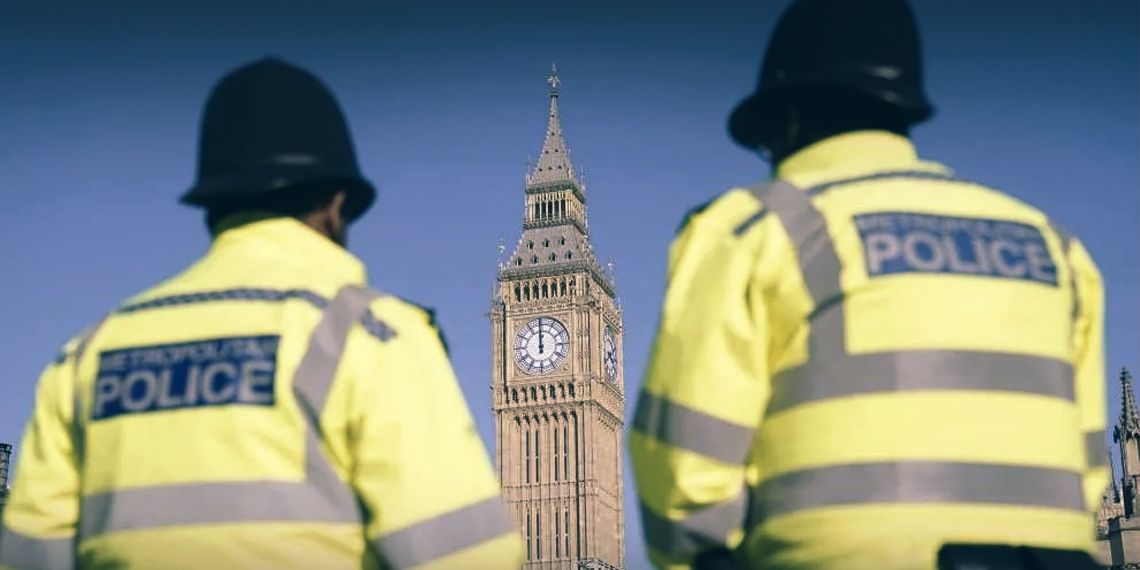
The UK government’s recent decision to increase police pay in England and Wales by 4.2 percent has been heavily criticised by the Police Federation, which represents over 145,000 front-line officers.
The union argues that the raise barely matches inflation and fails to address deeper issues within the force.
The increase, slightly above the current inflation rate of 4.1 percent, was approved following recommendations from an independent review body.
It surpasses the 2.8 percent initially proposed in December. Despite this, police leaders claim the pay rise does not reflect the pressures and risks officers face on a daily basis.
Under the new terms, starting salaries for police constables will rise by £1,256 to £31,164. Officers with six years of experience will earn £50,256, while average salaries for chief superintendents will increase to £98,500.
Allowances for hardship, on-call duty, and time away from home will each rise by £10, and London weighting will also increase by 4.2 percent.
The Home Office has allocated £120 million to help police forces cover the costs of the wage increase. Ministers described the raise as a demonstration of support for officers working to protect communities and tackle crime.
However, the Police Federation stated that the award fails to reverse years of real-term pay reductions and will not solve the recruitment and retention challenges facing the sector. The union plans to consult its members on whether to accept or reject the pay offer.
Criticism also came from the British Transport Police Federation, which claimed the rise does not go far enough to support officers dealing with physical and psychological strain.
In contrast, the National Police Chiefs’ Council welcomed the award, highlighting its importance in maintaining a competitive salary structure and attracting talent to the force. The NPCC also stressed the need for full government funding to ensure police forces can maintain current services and continue investing in neighbourhood policing and technological advancements.
While the government views the increase as a step forward, concerns remain that it will not be enough to resolve long-standing issues within the policing profession.
