
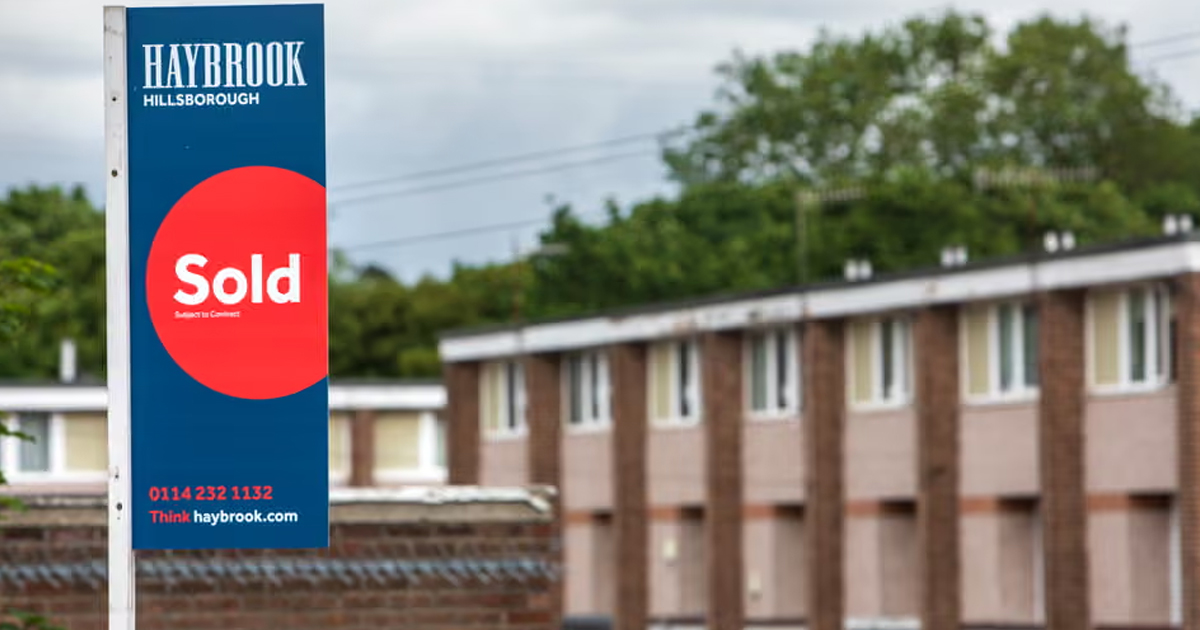
Margaret Thatcher’s right-to-buy policy has cost UK taxpayers nearly £200bn, significantly contributing to Britain’s deepening housing crisis, according to a new report by the Common Wealth thinktank. The report estimates the “opportunity cost” of selling 1.9 million council homes in England since 1980 at £194bn, highlighting the loss of public housing assets and their role in driving inequality and rising rents.
The scheme, which allowed council tenants to purchase homes at steep discounts, was intended to promote home ownership. However, it triggered a major sell-off of social housing without adequate replacement, leaving councils unable to meet demand. Many of these homes are now in the private rental market, with one in six private tenants in England occupying former council properties.
Decades of Disinvestment
Common Wealth’s analysis revealed that local governments have been in “net disinvestment” every year but one since 1988-89, selling off more housing assets than they build. This has exacerbated the housing shortage, with the Centre for Cities estimating it would take £50bn just to return to 2010 levels of affordable housing.
The right-to-buy policy offered an average 43% discount between 1980 and 2023. The homes sold are now estimated to be worth £430bn, according to the report, which describes the policy as “one of the largest giveaways in UK history.”
Labour Promises Housing Reform
Deputy Prime Minister Angela Rayner has pledged major reforms, including tightening eligibility for the scheme. Under proposed changes, tenants would need to live in a council home for at least 10 years—up from three—before qualifying for purchase discounts. Labour has also committed to a £39bn investment in social and affordable homes over the next decade.
Despite these promises, critics warn the government may struggle to meet its target of building 1.5 million new homes, citing planning challenges and a lack of long-term funding.
Rising Costs and Unmet Needs
Local councils now face more than £20bn annually in housing benefit payments, often for properties they once owned. Meanwhile, millions of Britons remain on housing waitlists, with thousands living in unsafe or temporary housing. Social housing advocate Kwajo Tweneboa described the scheme as having “gutted council housing and transferred public wealth into private hands.”
As homeownership among 25–34-year-olds plummets—from over 50% in 1990 to under 25% today—experts say the long-term effects of right to buy continue to shape the UK’s housing crisis.
