
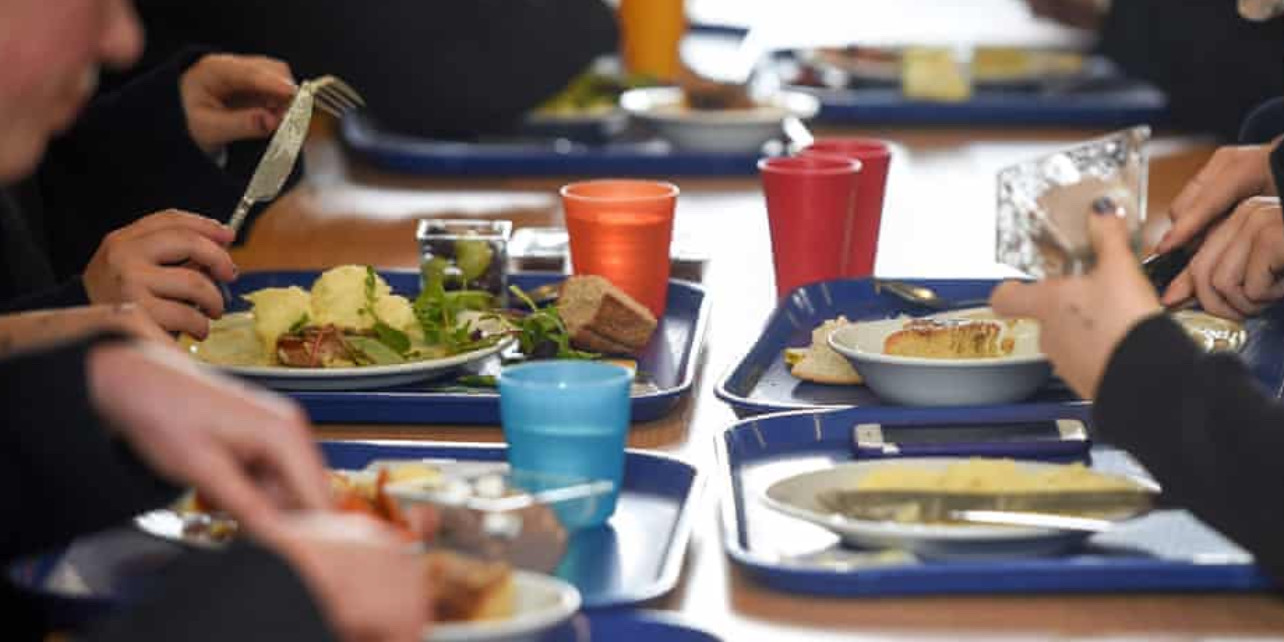
Parents across England are facing higher school lunch prices as the new academic year begins, with schools and caterers pointing to rising food costs, energy bills, and increased national insurance contributions as the main drivers.
Lunch providers say staffing costs, including the employer national insurance rise announced by the chancellor, have added “significant extra pressure” to already stretched budgets.
Food inflation is also pushing costs higher, with consumer prices for food and non-alcoholic drinks rising 4.9% in the year to July, now 37% higher than five years ago, according to the Office for National Statistics.
Schools Increasing Meal Prices
Letters sent to parents across the country acknowledged the financial strain but warned that higher charges were unavoidable to keep catering services viable.
• Coleham Primary in Shrewsbury, Shropshire raised meals to £2.60 per day, up 10p.
• Bridge Hall Primary in Stockport, Greater Manchester increased charges by 8p to £2.73.
• Fernhurst Junior in Portsmouth set a new daily rate of £2.86.
• West Vale Academy in Halifax moved to £2.60.
• Kingskerswell Church of England Primary School in Newton Abbott raised prices by 30p to £2.75.
Schools stress that without additional government funding, raising costs is the only option to cover the shortfall.
Funding Gap and Calls for Action
Currently, about a quarter of pupils in England qualify for free school meals, but campaigners argue that the government’s £2.61-a-meal funding is no longer sufficient. The National Association of Head Teachers said the rise risks lowering food quality at a time when “for some children, school dinners are the only reliable nutritious meal they receive.”
Judith Gregory, chair of LACA, representing school caterers, warned that the cost of meals has increased more than 20% since 2020. She said schools need at least £3.45 per meal in government funding to avoid further cuts to quality or menu options.
Barbara Crowther from the children’s food campaign at Sustain added that the “true cost of a healthy, sustainable school meal” is closer to £3-£3.20. She warned that families just above the free school meals threshold will face the hardest impact.
Government Response
The Department for Education defended its policy, highlighting that from 2026, all children from households claiming universal credit will be entitled to free school meals. A spokesperson said the entitlement would be fully funded and help lift 100,000 children out of poverty.
However, schools insist they cannot wait another year to tackle the growing funding crisis, leaving parents and families to shoulder the rising school meal charges now.