
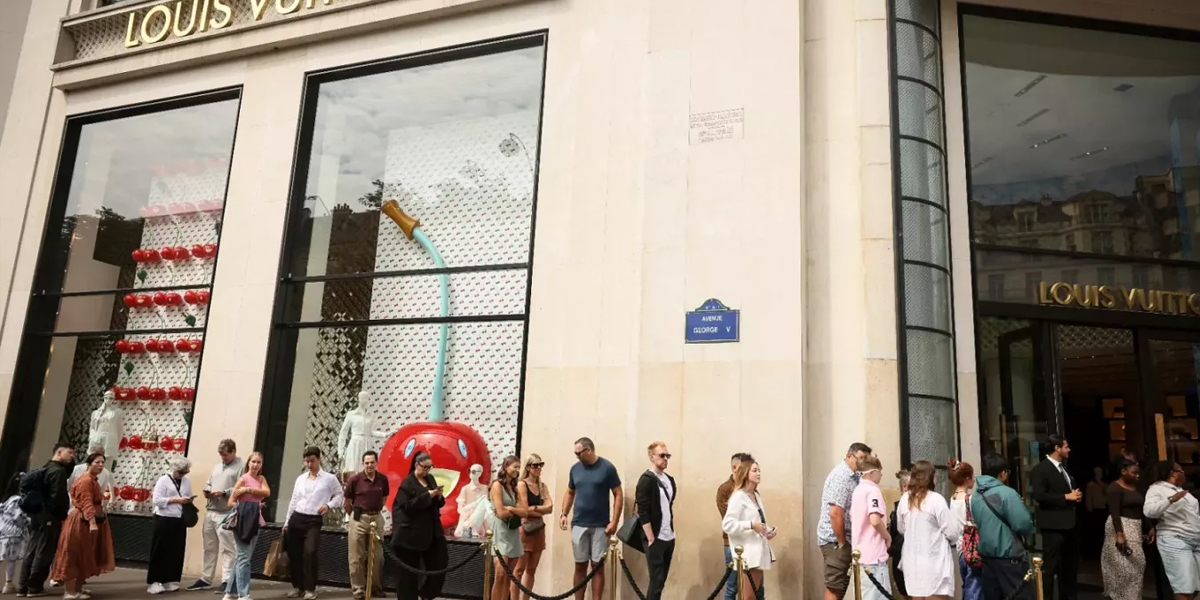
British luxury shoppers are increasingly trading London’s Bond Street for Paris’ grands magasins and Milan’s Quadrilatero della Moda, lured by VAT-free deals across the EU. Since Brexit granted UK residents third-country status in January 2021, they have been able to reclaim up to 20% of purchases in EU stores — a perk no longer available at home.
A new report from the Association of International Retail (AIR) reveals that Britons spent €854 million (£730 million) on VAT-free shopping in the EU in 2024, a five-fold increase from €169 million in 2021. The report highlights that this spending isn’t just going into handbags and watches, but also into hotels, restaurants, and travel — boosting EU tourism revenues at the expense of UK businesses.
How VAT-Free Shopping Works in the EU
Under EU rules, non-EU visitors can reclaim a minimum of 15% VAT, with most countries offering around 20%. For luxury goods, this can amount to hundreds of euros in savings. For example, a Loewe Puzzle Bag priced at €3,600 in Paris comes with a potential €700 refund — making a weekend shopping trip abroad more appealing for UK consumers.
The Paris Tourism Office reported a 44% rise in British visitors in 2023, the largest increase among European nationalities.
No VAT-Free Perks in the UK
The UK abolished its VAT refund scheme for tourists in 2021, making it the only major shopping destination worldwide without VAT-free shopping for international visitors. Even duty-free airport purchases, except for alcohol and tobacco, no longer carry VAT benefits. Only Northern Ireland retains a VAT refund scheme for departing EU visitors.
Luxury Industry Warns of Brexit Blow
Walpole, representing British luxury brands such as Rolls-Royce, Burberry, and Harrods, warns that Brexit has caused luxury exports to the EU to fall by up to 43% compared with potential pre-Brexit levels. The fashion and accessories sector alone saw a 64% drop.
Walpole CEO Helen Brocklebank says the UK luxury industry could be worth £125 billion by 2028 but warns that “one arm is tied behind our back” without stronger trading links with the EU.
Challenges Beyond Brexit
British brands face longer delivery times, unexpected courier fees, and stricter border checks, which have driven EU customers toward continental rivals. The sector is also battling US tariffs and weaker demand in China.
Despite these challenges, a YouGov poll shows strong domestic appetite for luxury goods: 25% of Britons bought a luxury product in the past year, and 45% are willing to pay extra for premium brands. But without VAT-free incentives, every swipe of a British card abroad risks another missed sale for UK retailers.