
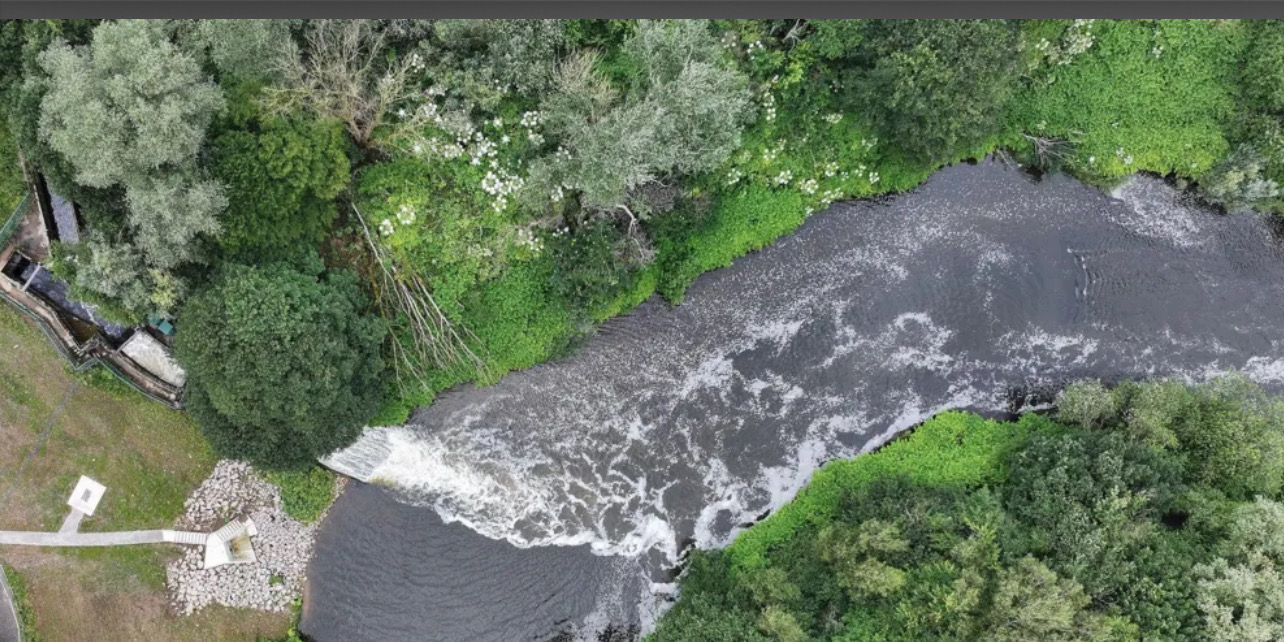
England has witnessed a sharp 60% rise in serious water pollution incidents caused by water companies, according to the latest figures from the Environment Agency.
The number of pollution cases reached a record high of 2,801 in 2024, up from 2,174 in the previous year.
Of these, 75 were classified as causing serious or ongoing harm to fisheries, drinking water supplies, or public health, up from 47 in 2023. The Public Accounts Committee, a cross-party group of MPs, has condemned the scale of pollution as woeful and unacceptable.
The figures were released just days before a major review of the water sector is set to be published. The review, led by Sir John Cunliffe, is expected to propose key reforms aimed at improving both the environmental and financial performance of the water industry.
The Environment Agency tracks pollution events such as raw sewage discharges into rivers and coastal waters. These incidents often originate from treatment plants and other infrastructure managed by the country’s water companies.
Three firms were responsible for the majority of the most severe pollution cases: Thames Water with 33, Southern Water with 15, and Yorkshire Water with 13.
River Action chief executive James Wallace described the situation as a national disgrace, saying serious pollution is accelerating while sewage discharges continue unchecked. He called for Thames Water to be placed under special administration to reset its operations and restore public trust.
While England’s combined sewage system means that both rainwater and waste are treated through the same network, increased rainfall in 2024 may have strained existing infrastructure. However, the Environment Agency noted that even with variable weather, serious discharges still breach environmental permits and legal obligations.
Inspections by the Environment Agency in 2023 revealed that nearly a quarter of over 4,000 sites were operating in violation of their permits. Many pollution events are self-reported by companies, yet enforcement remains a challenge.
Sir Geoffrey Clifton-Brown, chair of the Public Accounts Committee, criticised the government and regulators for failing to act decisively. He warned that the Environment Agency and Ofwat appear overwhelmed and incapable of deterring unlawful behaviour by water companies. He urged immediate action to bolster regulatory powers and accountability.
The Committee also highlighted long-term neglect of vital infrastructure, estimating that at the current pace, it would take 700 years to fully replace the existing water mains network.
The government and industry are under mounting pressure to invest in sustainable upgrades and enforce stricter penalties to protect the UK’s water environment and public health.
