
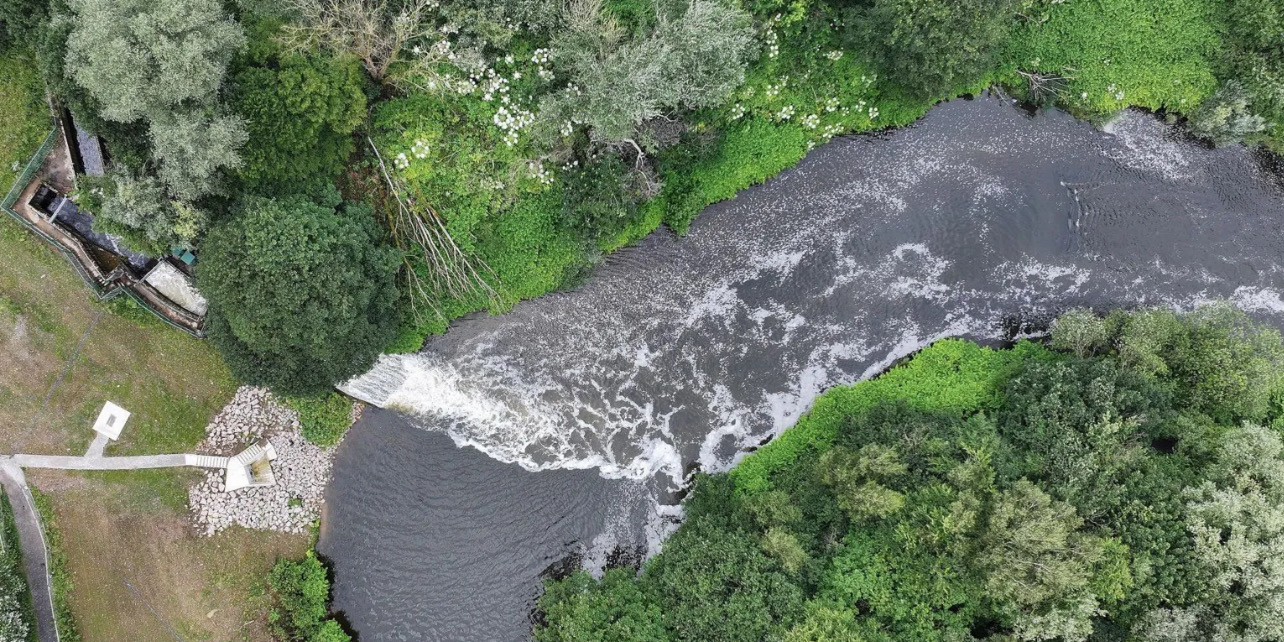
Water pollution in England surged to unprecedented levels in 2024, with serious incidents rising by 60% compared to the previous year, according to a damning report from the Environment Agency. A total of 2,801 pollution incidents were recorded — the highest ever — with 75 of them classified as causing “serious or persistent” harm to fisheries, human health, and drinking water, up from 47 in 2023.
The shocking figures come ahead of a major review of the UK water industry, due for release on Monday, led by Water Commission Chair Sir Jon Cunliffe. His long-awaited report is expected to call for deep reform and potentially the dissolution of the water regulator Ofwat.
Pollution Surge Blamed on Underinvestment and Weak Oversight
Environment Secretary Steve Reed condemned the figures as “disgraceful,” pointing to years of underinvestment and weak regulation. Industry body Water UK admitted that some companies failed to meet expectations, attributing the failures largely to underfunded infrastructure.
Thames Water, Southern Water, and Yorkshire Water were responsible for the majority of serious incidents — 33, 15, and 13 respectively. Thames Water saw its serious pollution incidents double, becoming the worst performer in both pollution levels and transparency.
James Wallace, CEO of River Action, slammed the situation as a “national disgrace,” calling for Thames Water to be placed into special administration.
Regulators and Government Criticised for Inaction
The cross-party Public Accounts Committee (PAC) labeled the pollution levels “woeful” and accused regulators of being “missing in action.” Sir Geoffrey Clifton-Brown, head of the PAC, said the Environment Agency and Ofwat had failed to enforce infrastructure standards or penalize companies adequately.
Nearly a quarter of water sites inspected in 2024 were found to be breaching permit conditions, with many violations self-reported by the companies themselves.
Calls Grow for Regulatory Reform and Increased Investment
The Committee warned that, at the current pace, it would take 700 years to replace the UK’s water mains network. Water UK argued that past investment had been stifled by regulatory decisions to limit bill increases. However, a record £104 billion investment is now planned over the next five years, with household water bills expected to rise by an average of £123 annually.
Despite this, Sir Geoffrey said the real problem was industry mismanagement: “Companies have diverted money to investors rather than reinvesting in vital infrastructure. Now consumers are footing the bill.”
Sir Jon Cunliffe’s review is expected to propose a complete overhaul of regulatory oversight, drawing comparisons to banking sector monitoring. In June, he told the BBC that a new model of continuous, close supervision is needed — one that enables early intervention and genuine accountability.
