
Survivors of terrorism and families who have lost loved ones are calling for tighter media guidelines on how terror attacks are reported in the UK.
The appeal follows distressing experiences where some bereaved individuals learned of their loss through doorstep approaches from reporters.
A newly proposed reporting code, developed by the advocacy group Survivors Against Terror and supported by both media professionals and law enforcement figures, urges news outlets to respect a 48-hour window before contacting victims’ families. During this period, all media inquiries should be made through police channels to prevent added trauma.
The guidelines also recommend that media organisations coordinate interview requests to survivors, avoid gathering outside victims’ homes, and shift focus away from highlighting the names, images, or manifestos of terrorists. The goal is to avoid giving undue attention to those responsible for such attacks.
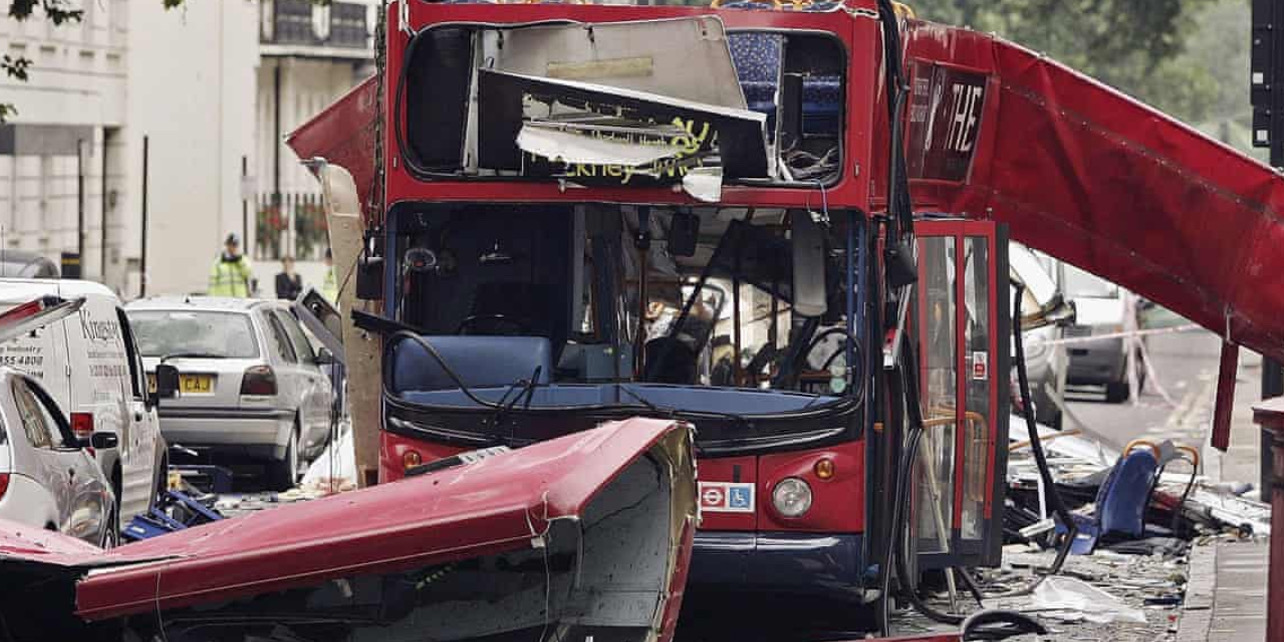
This proposed code is being launched ahead of the 20th anniversary of the 7 July 2005 bombings in London, which claimed the lives of 52 people and injured over 700. Survivors and relatives from that attack, as well as other incidents like the Manchester Arena bombing and the 2017 London Bridge attack, have backed the initiative, sharing personal stories of intrusive and insensitive media encounters.
The current Editors’ Code of Practice, managed by the Independent Press Standards Organisation (Ipso), advises that media enquiries should be made with sympathy and discretion in situations involving grief or shock. However, the code does not include specific restrictions on timing or approaches. Moreover, not all media outlets are members of Ipso, with some – such as The Guardian and Financial Times – following their own internal codes of conduct.
Industry professionals, including former national newspaper editors, have expressed support for the new guidance. While recognising the importance of press freedom and public interest reporting, they acknowledge that mistakes can occur in the aftermath of traumatic events. The proposed code is seen as a practical tool to help journalists navigate those moments with greater sensitivity.
Senior police officials have also weighed in, emphasising that responsible reporting of terrorism is essential for public awareness but must not worsen the suffering of those affected.
Survivors Against Terror confirmed that the guidelines had been thoroughly reviewed by legal experts, media regulators, and working journalists. The group aims to create a framework that allows for responsible reporting while safeguarding the dignity and wellbeing of victims and their families.
The guidance encourages media organisations across the UK to reassess their approach and adopt measures that minimise harm during already devastating circumstances.
