
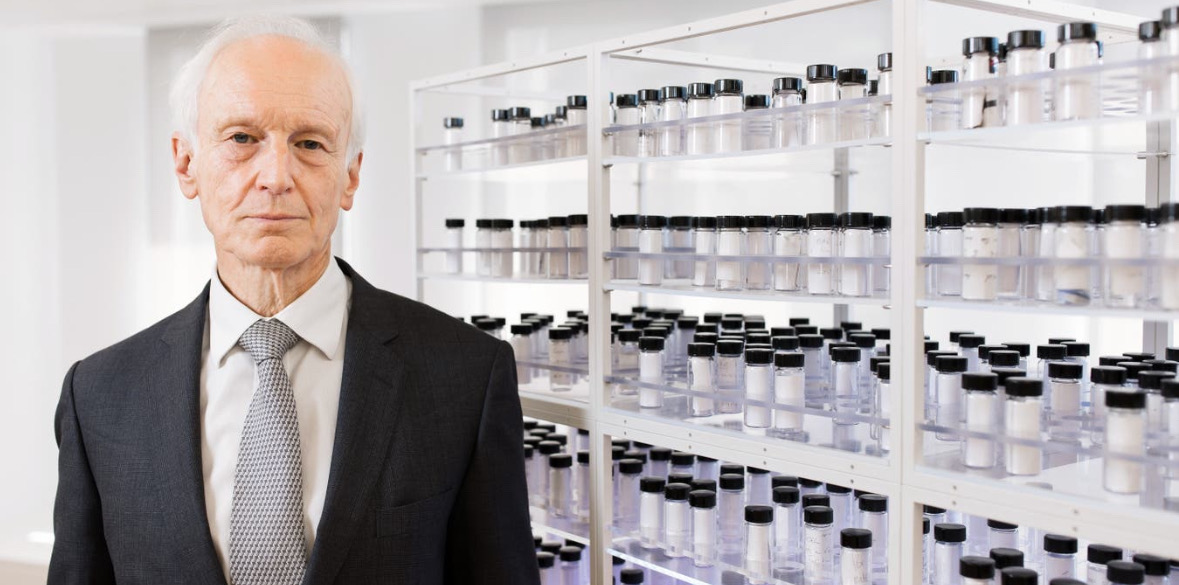
A damning new report has condemned the UK Government’s handling of compensation for victims of the infected blood scandal, warning that delays and exclusion have inflicted a “new and different layer of psychological pain” on survivors and bereaved families.
Sir Brian Langstaff, chair of the Infected Blood Inquiry, has delivered a scathing assessment of Whitehall’s failure to swiftly compensate thousands of victims, describing decisions taken “behind closed doors” as further acts of injustice.
Despite the government being aware “for years” that compensation was inevitable, only 460 people have received payments, leaving the majority still waiting — or, in many cases, dying before justice is served.
Compensation Delay Branded a National Disgrace
The report highlights that just £326 million has been paid out so far, with only 616 people receiving offers.
Over 2,000 individuals have merely been invited to begin their claims, even though tens of thousands are believed to have been infected or otherwise affected through NHS treatment involving contaminated blood products during the 1970s and 1980s.
Campaigners, including Tainted Blood, estimate that over 100 victims have died since the main inquiry report was released in 2023, their claims unresolved. Many more face deteriorating health, emotional exhaustion, and profound disillusionment.
A Deepening Mental Health Crisis Among Victims
Sir Brian noted that the compensation process has been handled has compounded the trauma already suffered. Victims testified that they now endure “fresh anguish,” with one describing their mental battle as “a fight to stop the darkest thoughts from consuming me”.
Andrew Evans, a member of Tainted Blood who contracted HIV and hepatitis C as a child from tainted blood products, said: “We feel forgotten, abandoned — we have lost all hope of ever getting justice.”
Inquiry Slams Lack of Consultation and Transparency
The inquiry found that affected individuals had been excluded from key decisions surrounding the creation of the Infected Blood Compensation Authority (IBCA).
Despite government pledges to “listen and act”, the IBCA was launched without input from victims, contradicting recommendations made in the earlier inquiry report.
Other damning findings include:
- A “missed opportunity” to consult with those impacted
- “Repetition of historic mistakes” under both Labour and Conservative governments
- Widespread loss of trust in the IBCA
- Unjust exclusion of those infected with HIV before 1982
- Inadequate recognition of long-term hepatitis complications and early treatment side effects
- Sunak’s Promises Undermined by Election Delay
In May 2024, then-Prime Minister Rishi Sunak pledged to deliver “comprehensive compensation” to those infected and affected, “whatever it costs”.
However, the announcement was swiftly overshadowed by the snap general election, which the inquiry concluded rushed the scheme’s launch and compromised its design.
A particularly serious concern was the lack of expertise on the advisory group, which included no specialists in psychological trauma, transfusion medicine, or bleeding disorders — despite being set up to assess highly complex medical claims.
Victims Demand Action, Not Apologies
Campaigners say the Government’s public apology is meaningless without tangible progress. Jackie Wrixton, 63, who contracted hepatitis C from a blood transfusion following childbirth in 1983, said: “The euphoria we felt a year ago is gone. Now we’re having to march and demonstrate again. We are dying at pace — not being compensated at pace.”
The report calls for urgent reforms including:
- Automatic eligibility for affected individuals
- Faster processing for the seriously ill and elderly
- Removal of discriminatory exclusions, such as the pre-1982 HIV cut-off
- Scrapping unrealistic evidence demands for psychological harm
Sir Brian concluded: “Delays have created an injustice all of their own. Compensation must not only be paid — it must be paid quickly.”
Government Response
A government spokesperson said: “We are grateful to the inquiry for its ongoing work. Over £300m has been paid out since October, and we are taking action to speed up the process.” Officials said the report’s recommendations would be carefully considered.
However, victims and campaigners remain sceptical. The inquiry stressed that the true measure of an apology is the government’s willingness to act swiftly and meaningfully. “Listening to those affected — and involving them — is the only way to begin repairing the damage done.”