
The true scale of cheap Chinese e-commerce imports entering the UK without tariffs has been revealed, as a Sky News investigation uncovers a multi-billion-pound trade flow that is reshaping British retail and logistics.
At the centre of this surge is a little-known customs exemption called the “de minimis” rule, which allows goods valued under £135 to enter the country without incurring customs duties.
Fashion giants Shein and Temu have capitalised on this loophole, sending vast quantities of low-cost Chinese-made products directly to British consumers.
Now, the first official government estimate has emerged, ahead of a long-awaited review into the de minimis threshold.
Data from HM Revenue & Customs, released via a Freedom of Information request, shows that £5.9 billion worth of de minimis imports entered the UK in the 2024–25 fiscal year—a staggering 53% rise from the previous year’s figure of £3.9bn.
Though exact Treasury losses are unclear, applying a notional 20% tariff to that volume suggests potential lost revenue exceeding £1 billion—enough to nearly fund the government’s recent reversal on winter fuel allowance cuts.
Fashion Industry Sounding the Alarm
British textile manufacturers warn that the de minimis rule is crippling domestic production, making it nearly impossible to compete with ultra-low-cost imports. Many believe this trend poses an existential threat to the UK’s once-thriving apparel sector.
Economic Trade-Offs for Low-Income Families
However, economists caution that scrapping the rule could have regressive effects, as it currently benefits lower-income households by keeping consumer goods affordable. Ending the exemption could significantly raise the cost of living for millions of Britons.
Regional Airports Experience a Cargo Revival
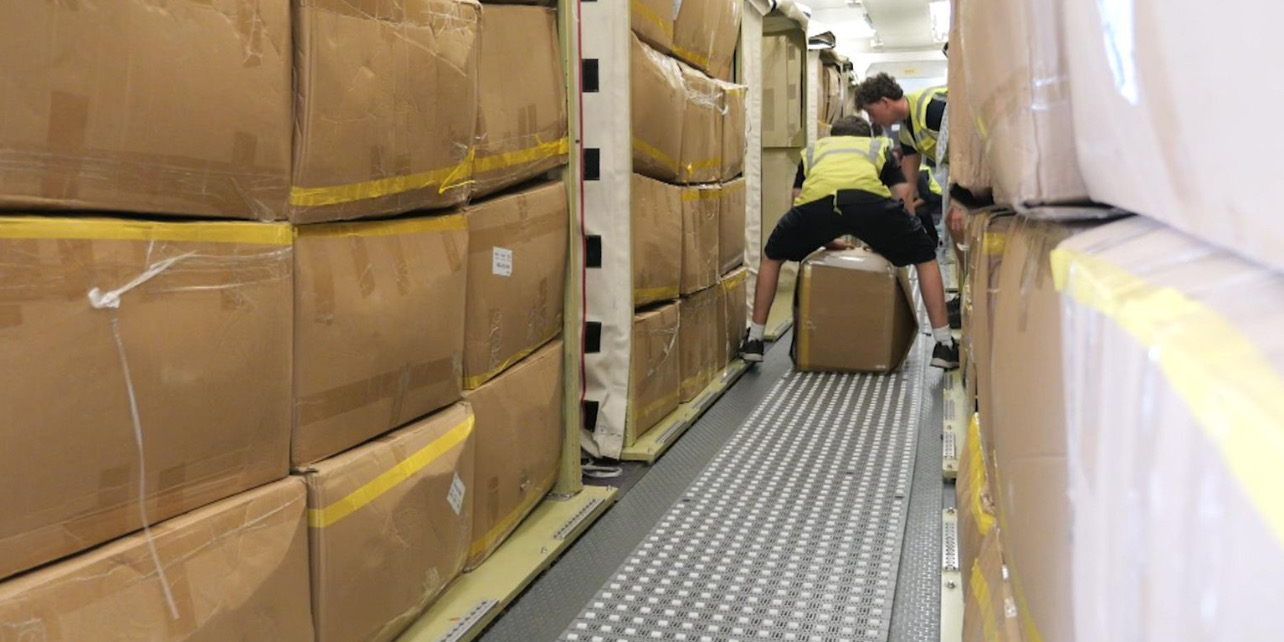
Sky News gained exclusive access to the under-reported logistics network fuelling this trade, filming inside a European Cargo aircraft that had just landed at Bournemouth Airport from Chongqing, China.
The story doesn’t end with online shopping habits or manufacturing competitiveness—the de minimis surge is transforming the UK’s regional airport economy.
Many smaller airports, hit hard by the pandemic, are reinventing themselves as air freight hubs. Bournemouth Airport, now dominated by European Cargo (despite handling no passengers), is just one example.
Elsewhere, East Midlands Airport and Prestwick in Scotland are also seeing significant growth in cargo traffic linked to cheap e-commerce imports.
Government Inquiry Underway—But Timeline Unclear
The government has committed to examining the de minimis threshold, in line with similar reviews underway in the EU and US.
However, no date has been set for a final decision, leaving UK businesses, consumers, and logistics firms in a state of uncertainty.
Economic Stakes Are High
As Chancellor Rachel Reeves prepares for a challenging budget, the outcome of this inquiry could have major fiscal and industrial implications.
Removing or altering the de minimis rule may boost tax receipts and protect British manufacturing—but could also raise consumer prices and disrupt growing regional freight operations.
