
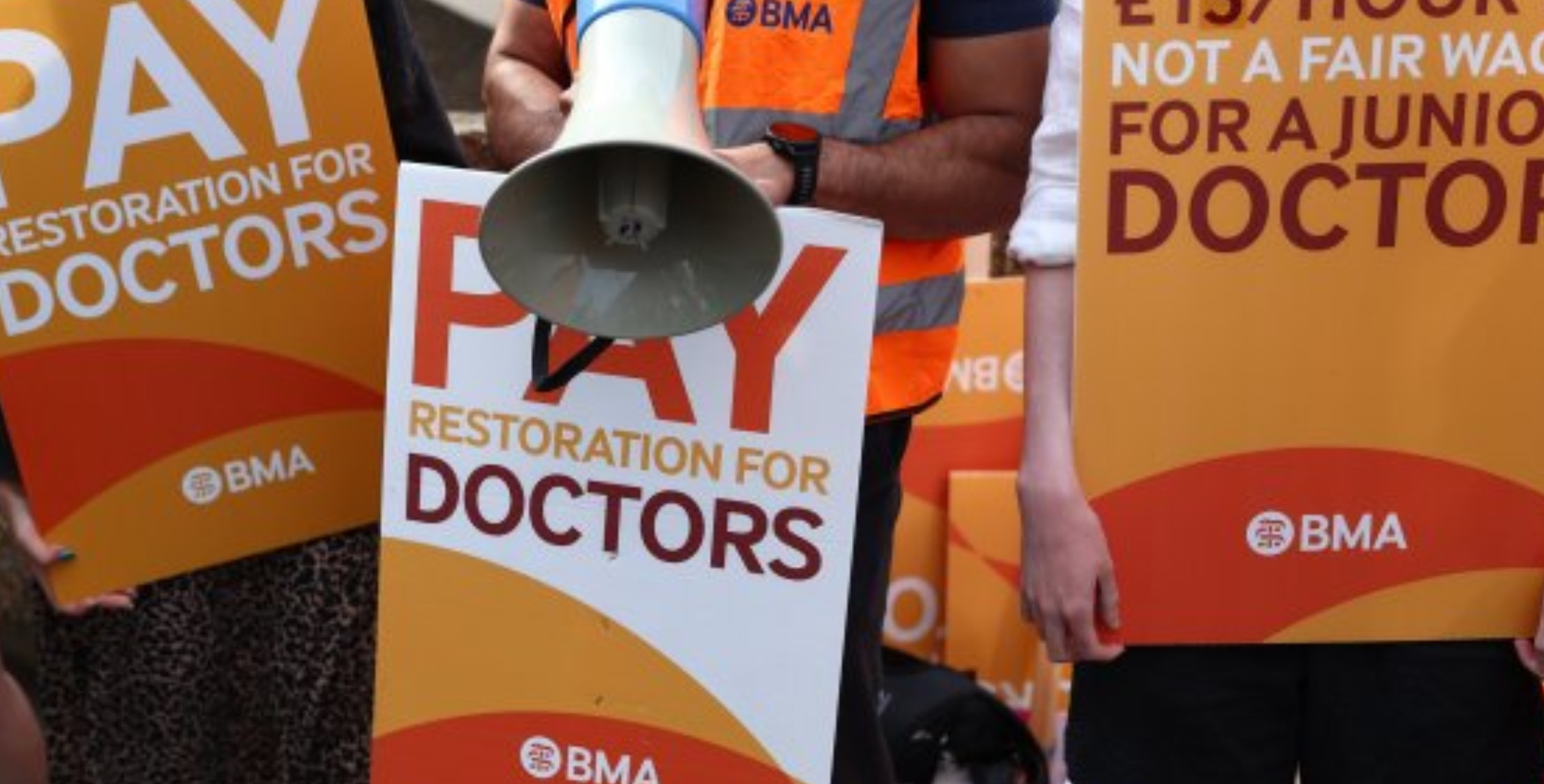
Health Secretary Wes Streeting is preparing to give UK-trained doctors priority access to NHS jobs as part of a wider effort to prevent a new round of strikes by resident doctors scheduled for later this month.
However, the Government has confirmed it will not increase its current pay offer.
As tensions rise ahead of planned industrial action from 25 to 30 July, ministers are exploring alternative proposals aimed at improving working conditions without committing to higher pay. Among the options under consideration is restricting overseas recruitment to no more than 10 per cent of new NHS hires, giving greater priority to doctors trained in the UK.
This move follows a significant policy shift introduced in 2020, when then-Health Secretary Matt Hancock opened up competition for medical training posts to international applicants during the pandemic. Since then, competition has surged, creating a bottleneck that many UK doctors say is hindering their career progression.
Government sources suggest that addressing this issue could form part of wider negotiations with the British Medical Association (BMA), which represents the doctors preparing to strike. While ministers remain firm on the current 5.4% pay rise, they are reportedly open to discussing non-pay reforms, such as annual leave policies, training placements, and how speciality rotations are managed.
Streeting’s proposal to reduce doctors’ pension pots in order to fund higher salaries also remains under discussion, despite public opposition from the BMA.
Insiders close to the talks have indicated there may be enough shared ground to reach a deal on working conditions, even as both sides remain divided over pay. However, the looming strike is expected to place further strain on the NHS, especially if hospitals are left in the dark about which doctors will be participating in the walkout.
According to reports, unions have advised doctors not to notify their trusts in advance, raising concerns about continuity of care and emergency cover during the strikes. NHS England data shows that previous strike action in 2023 led to a 31% drop in cancer surgeries and a 13% decline in emergency heart procedures, with further disruptions across neonatal and mental health services.
The BMA continues to argue that doctors’ pay has been eroded by around 20% in real terms since 2008. While the union remains open to dialogue, it has criticised the Government for failing to identify any meaningful non-pay improvements or honour commitments made in previous negotiations—particularly regarding training reform and exception reporting.
In a recent letter to Streeting, the BMA expressed frustration over the lack of progress and questioned how the Government intends to resolve the dispute without addressing pay concerns. The union also highlighted that the NHS Long Term Workforce Plan’s limited expansion of training places falls short of solving the immediate crisis in medical training and career development.
As the strike deadline approaches, pressure is mounting on both sides to find a resolution that protects patient care while addressing the core concerns of the medical workforce.
