
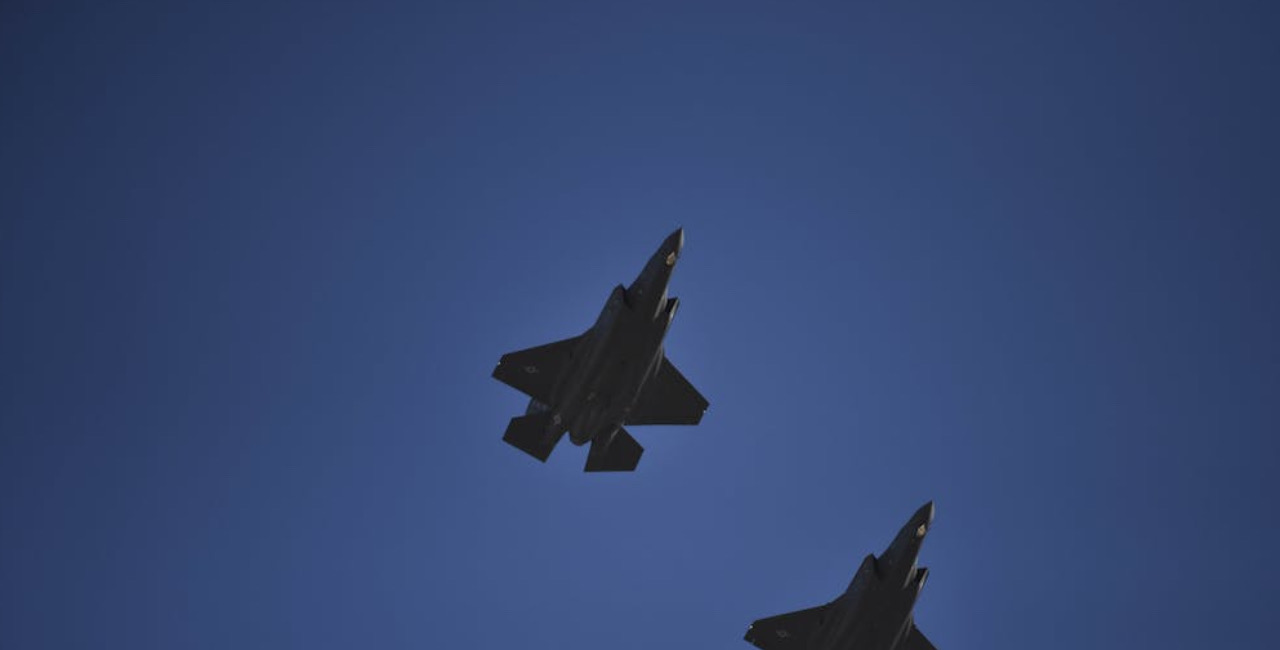
The United Kingdom has confirmed its plan to procure an additional 12 F-35A and 15 F-35B fighter jets by 2033, marking a significant step in strengthening its air combat capabilities amid rising global tensions.
This expansion follows the scheduled completion of the first batch of 48 F-35B aircraft, which are expected to be delivered by March 2026.
During a recent session in the House of Lords, it was revealed that the second phase of the UK’s F-35 programme will include 27 new aircraft.
These acquisitions will support the establishment of a third front-line squadron, focusing on the F-35B variant. The UK remains committed to its long-term goal of acquiring 138 F-35s as part of its strategic defence programme.
The decision to begin procurement of the F-35A variant ahead of the upcoming Defence Investment Plan, expected this autumn, has been attributed to intensifying geopolitical threats. The UK government has clarified that the overall number of planned aircraft remains unchanged and that this early procurement reflects the urgency of modernising its air defence capabilities.
Replacing 12 previously planned F-35Bs, the F-35A aircraft are reported to be around 20 percent more cost-effective, potentially saving the UK defence budget approximately \$240 million. However, the UK does not currently possess sovereign air-to-air refuelling capability for the F-35A, meaning reliance on allied support will be required for operational readiness.
Despite calls for a review of the UK’s nuclear doctrine, defence officials have stated that strategic doctrine remains under continuous evaluation. Broader defence investment decisions set out in the Strategic Defence Review are expected to proceed on schedule later this year.
Assurances have been made that both the F-35A and F-35B procurement schedules are on track, reinforcing the UK’s commitment to bolstering its air power in the face of increasing international challenges.
This procurement marks a critical phase in the UK’s modernisation of its air fleet, enhancing both its NATO interoperability and long-term national security posture.
