
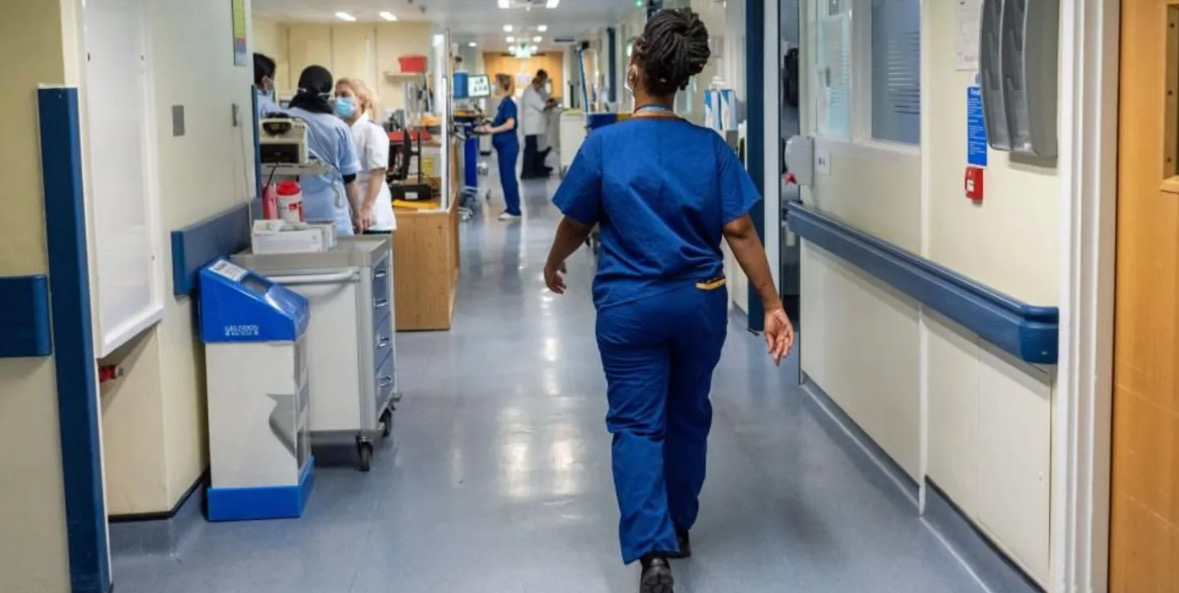
The British Medical Association (BMA) has warned that the latest NHS plan for managing the upcoming NHS doctors strike could endanger patient safety by overstretching senior doctors. The concern follows NHS England’s directive to limit the number of cancelled routine treatments during the resident (junior) doctors’ walkout, which begins at 7:00 BST this Friday.
Under the current plan, hospitals are only allowed to cancel non-urgent procedures—such as hip or knee replacements—in “exceptional circumstances.” However, the BMA believes this approach is unsafe and could lead to last-minute disruptions and patient harm.
Senior Doctors “Stretched Too Thin”
Dr. Emma Runswick, deputy chair of the BMA, told the BBC that NHS England’s strategy risks compromising patient care. “Senior doctors cannot physically be in two places at once,” she said. “We think the vast majority of planned and scheduled care should be shifted.”
During previous strikes in 2023 and 2024, hospitals were instructed to cancel large volumes of non-urgent care so senior consultants could provide emergency cover. In some hospitals, up to 50% of scheduled treatments were postponed. At that time, NHS England acknowledged rescheduling was “sadly essential” for maintaining safe services.
New NHS Chief Determined to Minimize Disruption
This latest policy is being implemented under the leadership of Sir Jim Mackey, who took over as NHS England’s chief executive in spring 2025. Mackey aims to avoid widespread cancellations, arguing that delaying non-urgent care can also negatively impact patient outcomes.
The BMA has formally written to Sir Jim, warning that patient safety could suffer if staffing is stretched “far too thinly.” The union also defended the high fees charged by senior doctors—over £300 per hour for night shifts—stating that the NHS must “incentivise” consultants for taking on extra responsibilities during strikes.
Government-BMA Talks Continue Ahead of Deadline
Talks between the government and the BMA are ongoing, with Health Secretary Wes Streeting standing firm on no additional pay offers this year. However, discussions are reportedly considering other reforms, including student loan relief, exam fees, and working conditions.
Resident doctors have already received a 5.4% pay rise for the current financial year, on top of a 22% increase over the previous two years. But the BMA insists real-term pay remains 20% lower than in 2008, calling for full “pay restoration.”
With nearly half of all NHS doctors being resident doctors—two-thirds of whom are BMA members—the strike’s impact could be substantial. Resident doctors have staged 11 separate walkouts since 2023, resulting in the cancellation of hundreds of thousands of hospital appointments and treatments.
NHS Calls for Collaboration to Protect Patients
Professor Meghana Pandit, co-medical director at NHS England, urged the BMA to cooperate to maintain care levels: “The safest thing for patients is for the NHS to maintain as much urgent and planned care as possible during strikes.”
If the strike is to be called off, a decision must be made before Wednesday morning to prevent major disruption across the health system.
