
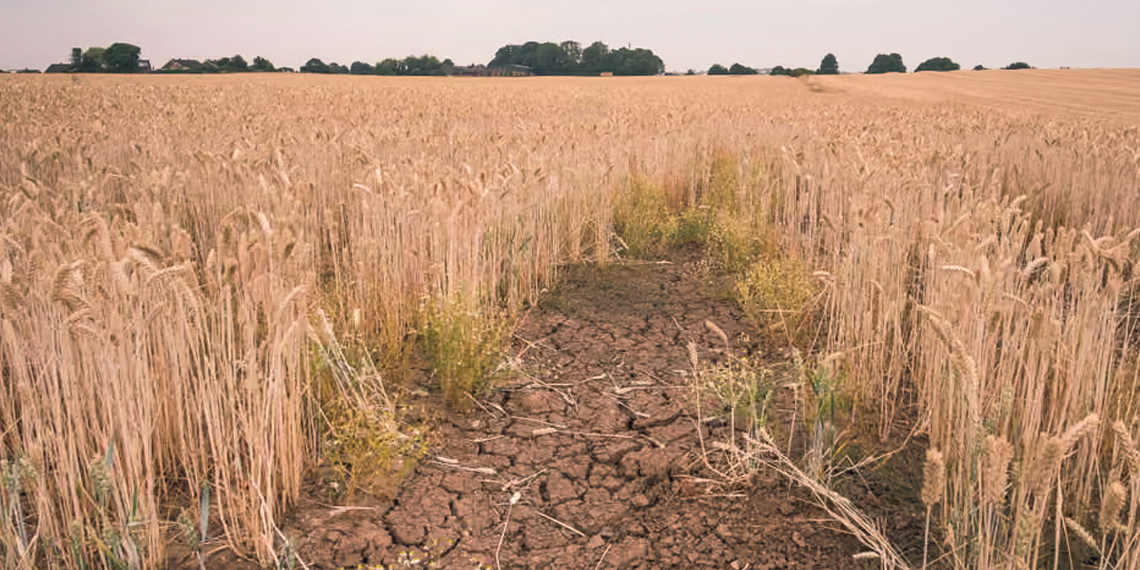
Britain is facing a looming climateflation crisis that could raise food prices by up to 34% by 2050, risking the financial security of nearly one million people, according to a new report by the Autonomy Institute.
The thinktank warned that without urgent government intervention, climate-induced disruptions—such as heatwaves, droughts, floods, and supply chain shocks—could dramatically inflate the cost of everyday food items. As a result, many low-income households may fall below the poverty line.
Extreme Weather Driving Up Costs
Recent data from the Office for National Statistics showed inflation in the UK rose to 3.6% in June, with food and fuel prices being key drivers. Retailers report reduced harvests due to hot and dry weather, especially affecting fruits, vegetables, chocolate, and coffee. Poor weather in West Africa, Brazil, and Vietnam has caused a global ripple effect on prices.
According to Autonomy’s modeling, increasingly frequent extreme weather events will disrupt global and domestic food supply chains. Britain is particularly vulnerable because nearly half of its food is imported—largely from countries like Spain, France, and Brazil.
Domestic Farming Also Under Pressure
UK agriculture isn’t spared either. Storms and floods cut domestic vegetable production by 12% in 2023. The report projects that, in a high-emission scenario where global temperatures rise by 4°C by 2100, food prices could surge by 34% by 2050. Even in a low-emission “best-case” scenario, cumulative food inflation may reach 25%.
Vulnerable Groups Hit Hardest
Lower-income households are expected to suffer the most, as they spend a larger share of their income on essentials like bread, rice, and meat. By 2050, the average household could face additional food costs ranging between £917 and £1,247 annually due to heatwave-related disruptions alone.
Autonomy estimates that without decisive policy action, an extra 951,383 people could be pushed into poverty by mid-century.
Calls for Bold Government Action
Will Stronge, Autonomy’s chief executive, called on the government to implement robust social safety nets, including:
• Price controls on essential food items
• Publicly funded diners to support vulnerable groups
• Strategic “buffer stocks” to manage supply shocks during climate events
“Climateflation is no longer a distant risk; it’s a present reality,” Stronge emphasized. “We must rethink public service provision to protect households in a warming world.”
