
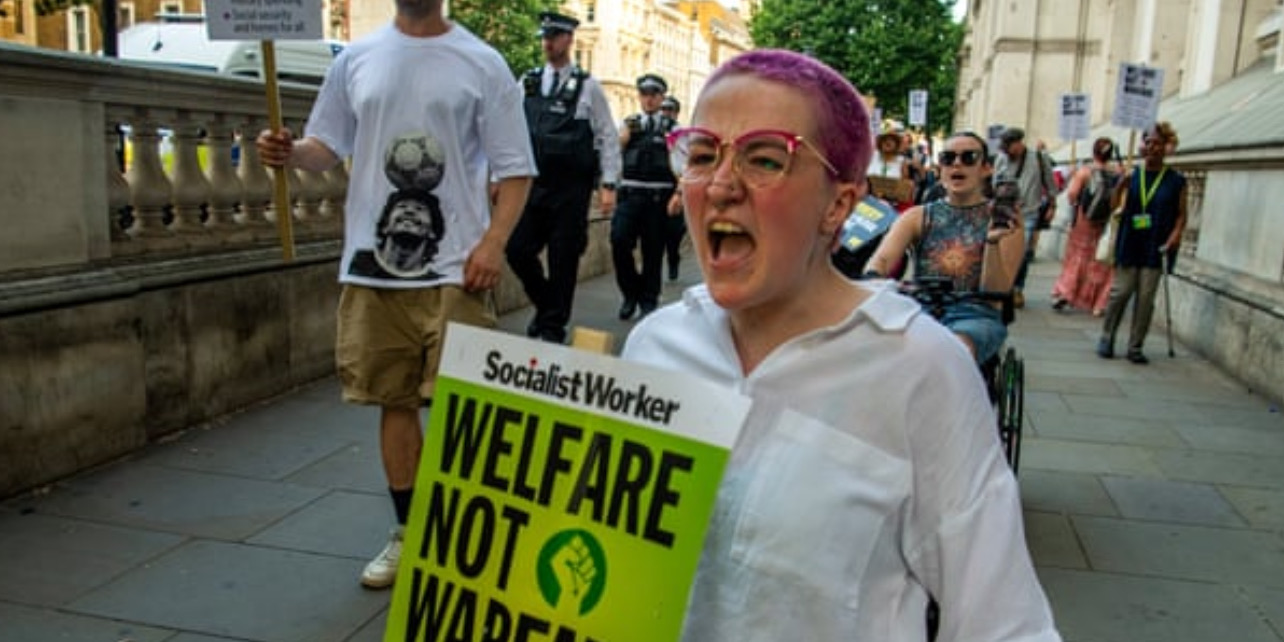
A senior Labour minister has declined to rule out future tax increases following welfare policy changes that left a £4.8 billion hole in the government‘s spending plans.
Pat McFadden, Chancellor of the Duchy of Lancaster, said he would not speculate on what might be included in the autumn budget, though he emphasised the government would remain committed to the tax pledges outlined in its manifesto.
The welfare bill passed through the House of Commons by 335 votes to 260 after Labour made significant concessions to backbench rebels.
The changes included shelving plans to restrict eligibility for Personal Independence Payments (PIP), a central part of Labour’s original welfare reform proposals. These concessions averted a potential defeat but also delayed the reforms until after a planned review concludes in late 2026.
McFadden admitted that these decisions would have financial consequences, though he said they were just one part of a complex economic picture. He told Times Radio that the changes would be assessed alongside other fiscal pressures ahead of the budget.
Despite questions from economists and journalists about the likelihood of tax increases, McFadden repeatedly refused to confirm or deny any such measures. He stressed that the government would consider the full economic landscape before making any announcements.
The impact assessment released after the welfare revisions indicated that around 150,000 people could still be pushed into relative poverty by 2030, despite a reduction from the original estimate of 250,000. The government insists the changes will help balance compassion with financial responsibility and has pledged an additional £1 billion annually by the end of the decade to support disabled people and those with long-term health conditions into work.
Some Labour MPs remain unconvinced. While key rebels, including Meg Hillier, have been placated by adjustments such as exempting current disability claimants and ensuring benefits rise with inflation, others like Vicky Foxcroft have indicated they will still oppose the bill.
The government has also announced that a review of PIP will be co-produced with disabled people, advocacy groups, and experts. The review will shape future reform efforts and will be accompanied by £300 million in employment support over the next three years. Draft regulations will also be published to introduce a new “right to try” framework, allowing disabled people to test work opportunities without risking their financial security.
Meanwhile, Labour faces increased pressure to outline how it will address the funding gap left by the concessions. Rachael Maskell, one of the leading rebels, has suggested the government should consider targeting wealth and capital gains to generate new revenue.
The controversy surrounding the welfare bill comes amid other major political developments, including a parliamentary debate on banning Palestine Action under the Terrorism Act, a call for urgent reform in the treatment of children in custody, and a coordinated initiative among regional mayors to create a nationwide active travel network.
