
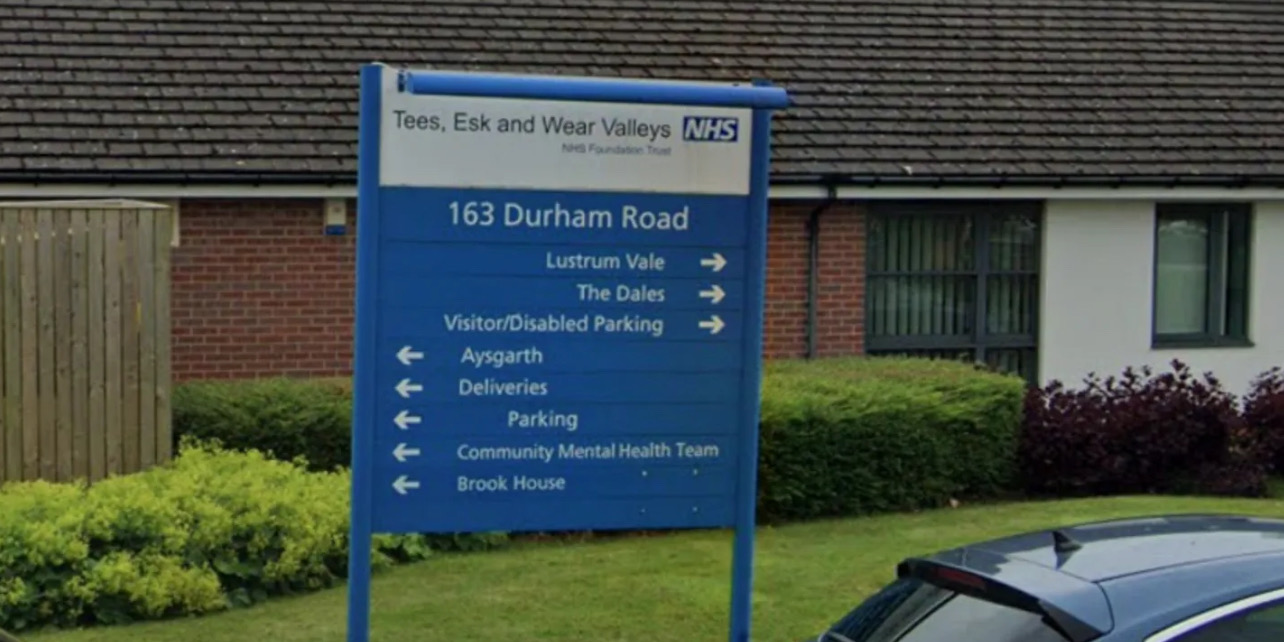
Adults in the UK are facing ADHD assessment waiting times exceeding 600 days, with the average wait now reaching 618 days at Tees, Esk and Wear Valleys NHS Trust (TEWV), according to newly released data.
The figures, revealed through a Freedom of Information request, highlight the growing strain on mental health services as demand for ADHD diagnoses continues to surge nationwide. The trust explained that individual waiting times can vary depending on factors such as pre-existing mental health conditions.
Personal Toll of ADHD Diagnosis Delays
A man from Spennymoor, who requested anonymity, said the long delay in his ADHD assessment had deeply affected his life. “My relationship has fallen apart, my career is also failing, and I’m constantly stressed,” he said. Despite being referred to TEWV by a mental health specialist almost three years ago, he has only received two calls informing him he remains on the list — with no timeline for when he might be seen.
National ADHD Crisis: Up to 8-Year Delays
Thea Stein, chief executive of the health think tank Nuffield Trust, said the reasons behind the dramatic rise in adult ADHD assessments both in the UK and internationally remain unclear. She suggested many adults are only now seeking help after their symptoms were missed in childhood.
“Waiting times for NHS services are increasing across the country,” Stein added, “with waits of up to four years for children and as long as eight years for adults. A diagnosis often helps people understand the challenges they’ve faced, access appropriate support, and improve their quality of life.”
NHS Acknowledges Regional and National Strain
The NHS North East and North Cumbria Integrated Care Board acknowledged the problem, stating, “We recognise that too many adults in our region are waiting too long.” A spokesperson cited a “major increase” in demand over the past few years, combined with a shortage of skilled professionals qualified to assess and treat ADHD.
“This is not just a regional issue,” the spokesperson emphasized, “but a national challenge that requires time and investment to resolve.”
As NHS services struggle to keep up with the growing number of adults seeking diagnosis, mental health experts warn that continued delays could have devastating consequences for patients’ wellbeing, careers, and personal lives.
