
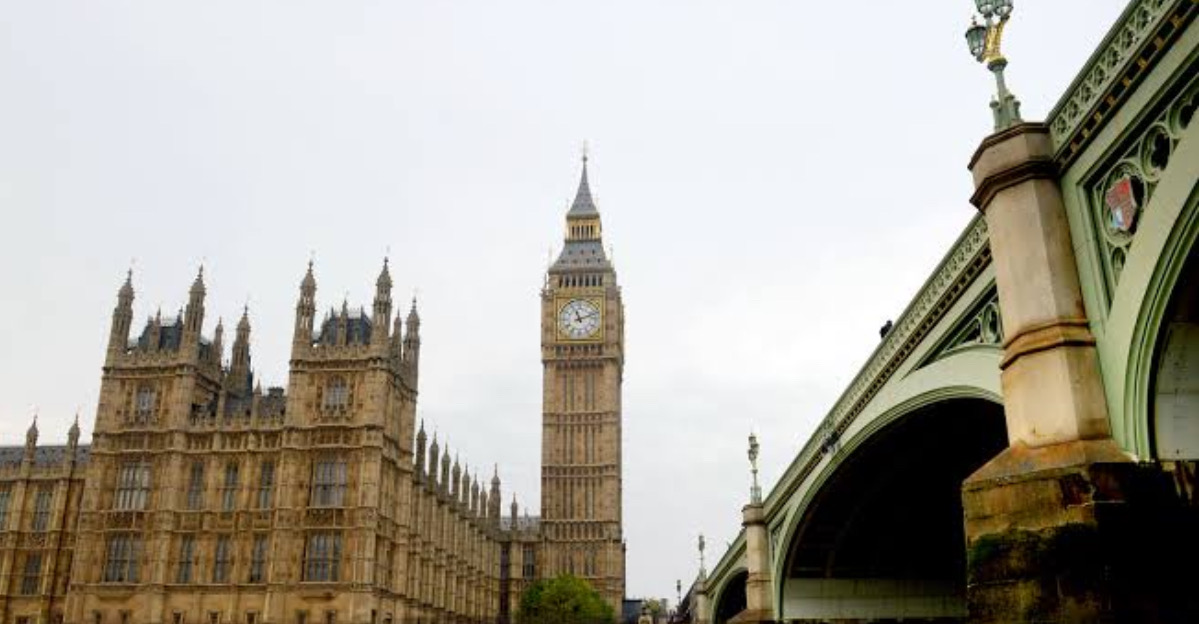
Bullying and harassment complaints within the UK Parliament rose by 40% over the past year, according to a damning report by Westminster’s official watchdog.
The findings reveal growing concern over misconduct by MPs and parliamentary staff, as well as the continued influence of workplace power imbalances and alcohol-fuelled behaviour.
The Independent Complaints and Grievance Scheme (ICGS), which handles misconduct allegations in Parliament, confirmed it investigated 69 cases in the year leading up to April 2025 — up from 47 the previous year. The sharp rise comes despite Parliament entering recess ahead of the general election.
The total cost of handling the investigations was nearly £2 million, and the majority of cases involved bullying and harassment, while three complaints related to sexual misconduct, including allegations of assault, stalking, voyeurism, and sexual harassment.
The report also highlighted the impact of alcohol consumption in Westminster, noting it played a role in nearly one in five of the complaints, and was “notably prevalent” in sexual misconduct cases.
ICGS Director Thea Walton acknowledged the challenges, stating that the rise in complaints, combined with increased complexity and new processes, had led to longer investigation timelines. Many cases were either withdrawn, deemed out of scope, or remained incomplete within the reporting period. Only four complaints were upheld.
The ICGS noted that several complaints stemmed from abuse of power, with some senior figures accused of publicly humiliating staff, being openly dismissive, or assigning tasks designed to be unachievable. Such behaviours were said to foster intimidating work environments, leaving complainants anxious about job security and professional standing.
Originally established in 2018 in response to the #MeToo movement, the ICGS aims to improve accountability and tackle misconduct among MPs and staff in the Houses of Parliament. However, it has faced criticism for the lengthy duration of investigations, with some cases stretching beyond 12 months and passing through multiple bodies before resolution.
Despite operational challenges, Ms Walton said the scheme remains widely recognised across Westminster.
“More individuals are now coming forward to seek justice for unacceptable conduct,” she said, adding that efforts were underway to streamline the process and strengthen the scheme’s responsiveness in the coming year.
As misconduct concerns continue to rise in Parliament, pressure is mounting on leadership to ensure swift and transparent resolution processes and create a safer, more respectful working environment across Westminster.
