
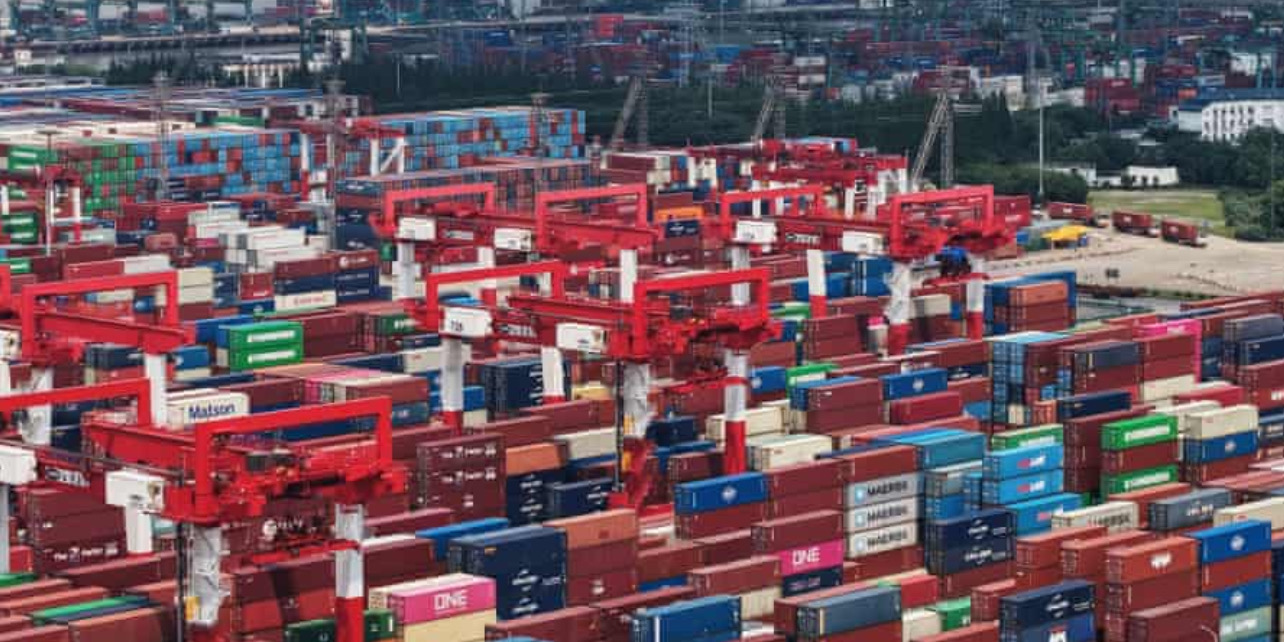
Chinese exports to the UK rose sharply in May, raising both economic hopes and industrial concerns across Britain. According to new data from Beijing, exports to the UK jumped 16.1% year-on-year—marking the highest level since February 2022. The sharp rise suggests Chinese manufacturers may be shifting focus to alternative markets, as steep US tariffs force firms to look elsewhere.
UK data from the Office for National Statistics (ONS) had already shown a 10% annual rise in April, but the latest Chinese figures indicate that growth may be accelerating. This has triggered fresh analysis from British economists and policymakers, who are monitoring whether goods originally bound for the US are now entering UK markets—potentially at cut prices.
Implications for Inflation and the Economy
The Bank of England has signalled that an influx of lower-cost imports could help reduce inflationary pressure. Deutsche Bank’s senior economist, Sanjay Raja, said: “Given lags in shipping, it’s possible that we may be seeing the start of a trend in higher imports from Asia. This could have important consequences for inflation.”
While consumers may benefit from cheaper prices, there are growing concerns from domestic industries about a potential “dumping” of goods—particularly steel—on the UK market.
UK Government Responds to Dumping Fears
Business Secretary Jonathan Reynolds has backed recommendations from the UK Trade Remedies Authority to maintain strict import controls and quotas, especially on Chinese steel. “This is necessary to protect our domestic industries from unfair competition,” Reynolds said.
Gareth Stace, Director General of UK Steel, welcomed the move, calling it “a tremendous outcome” that will help shield British manufacturers from unsustainable foreign pricing practices.
Retail and Customs Policies Under Review
Chancellor Rachel Reeves recently promised a review of the current low-tax import regime, which allows parcels under £135—often sold through online platforms like Shein and Temu—to enter the UK without customs duties. The government is now examining whether this loophole is contributing to the increase in cheap imports.
Global Trade Shifts Amid US-China Tensions
Chinese exports to the US plummeted 34% in May compared to the previous year, due to existing tariffs that remain as high as 30% on most goods. According to Neil Shearing, Chief Economist at Capital Economics, many firms are now diverting goods via countries like Vietnam and Cambodia or targeting new markets such as the UK.
“It’s the double-edged sword of globalisation,” Shearing explained. “On one hand, disinflation helps consumers. On the other, it places huge pressure on domestic manufacturers facing cheap imports.”
While Washington and Beijing have temporarily paused new tariffs until July 9 to continue negotiations, most duties remain firmly in place. UK officials now find themselves caught in the economic ripple effects—balancing lower consumer prices against the threat to British manufacturing.
