
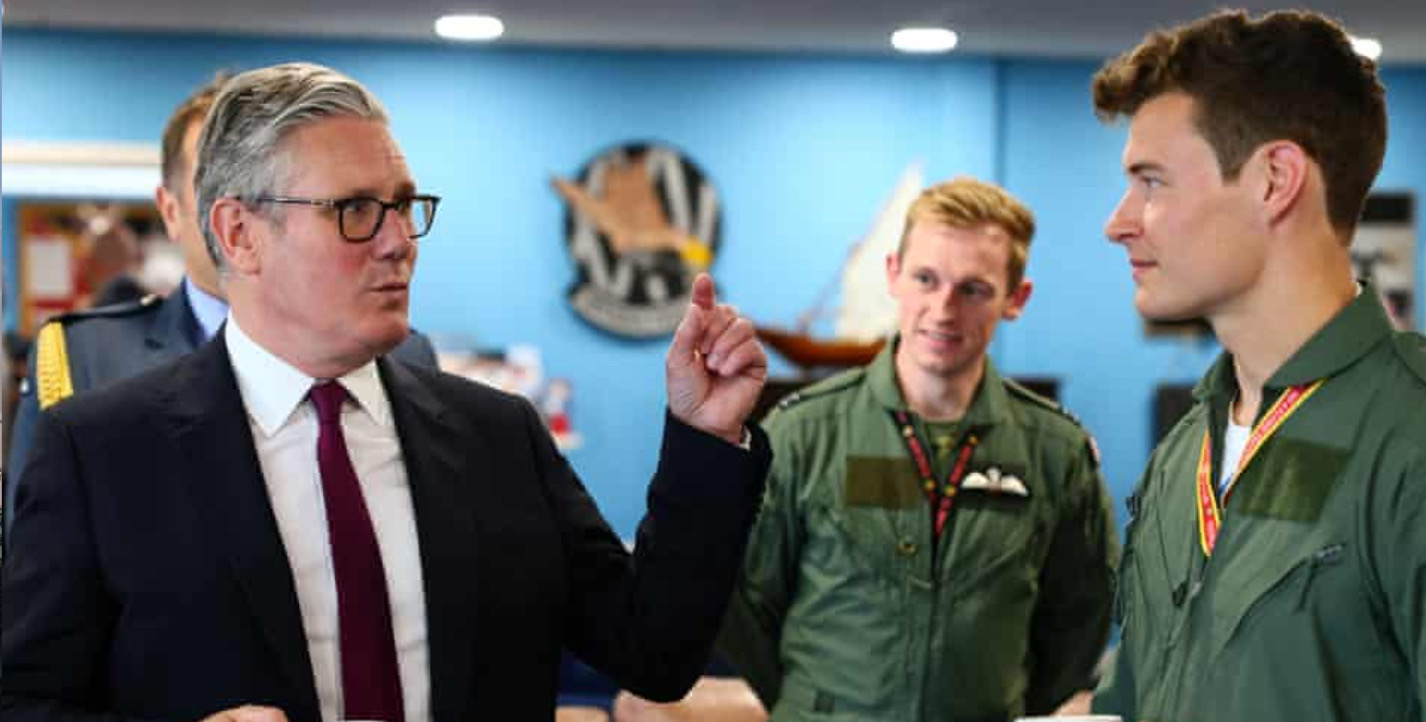
Prime Minister Keir Starmer has admitted he mishandled Labour’s internal rebellion over disability benefits, citing his focus on foreign policy priorities during the same period. In a candid interview with The Sunday Times, Starmer said he wished he had acted earlier to make key concessions aimed at preventing the revolt from growing.
“I’d have liked to get to a better position with colleagues sooner than we did,” Starmer explained. “I was heavily focused on Nato, the Middle East, and the G7. By the time I turned my full attention to this on Thursday, we were able to move relatively quickly.”
Starmer’s remarks come amid mounting pressure within the party over controversial reforms to the welfare system, especially personal independence payments (PIP). He acknowledged that while there had been outreach to backbench MPs, more could and should have been done sooner. “I believe in the world we live in, not the world we want to live in,” he added, reflecting on the political complexities.
This marks Starmer’s third public admission of a misstep in recent days. He had earlier expressed regret for his use of the term “island of strangers” in reference to immigration and admitted that appointing Sue Gray as his chief of staff may have been a poor decision. These acknowledgments indicate an attempt to reset his premiership and re-establish stronger ties within the Labour Party.
Efforts are now underway to limit the scale of the Labour rebellion when the bill comes up for a vote on Tuesday. Work and Pensions Secretary Liz Kendall proposed late-night concessions last Thursday, including inflation-linked increases to the health element of Universal Credit and assurances that existing PIP claimants would not be affected.
Health Secretary Wes Streeting told Sky News that the adjustments place the government “in a much better position” and reassure current benefit recipients. “Anyone watching this morning who’s receiving personal independence payments now has the peace of mind of knowing that their situation is protected,” he said.
Former rebel Louise Haigh, now satisfied with the new terms, confirmed she would support the bill provided the commitments are upheld. Speaking on BBC One’s Sunday with Laura Kuenssberg, Haigh emphasized that this could be a turning point. “This is a moment and an opportunity to reset the government’s relationship with the British public and party backbenchers,” she said.
She added that Starmer’s openness about past errors would be welcomed not only by MPs but also by voters across the country who are eager for a more transparent and responsive leadership.
