
Calls for an independent inquiry into maternity care at Leeds Teaching Hospitals NHS Trust (LTH) have intensified as dozens more families come forward with serious concerns.
A total of 67 families have now raised complaints about poor maternity care at Leeds General Infirmary (LGI) and St James’s University Hospital between 2017 and 2024, with many citing avoidable stillbirths, injuries, and traumatic experiences.
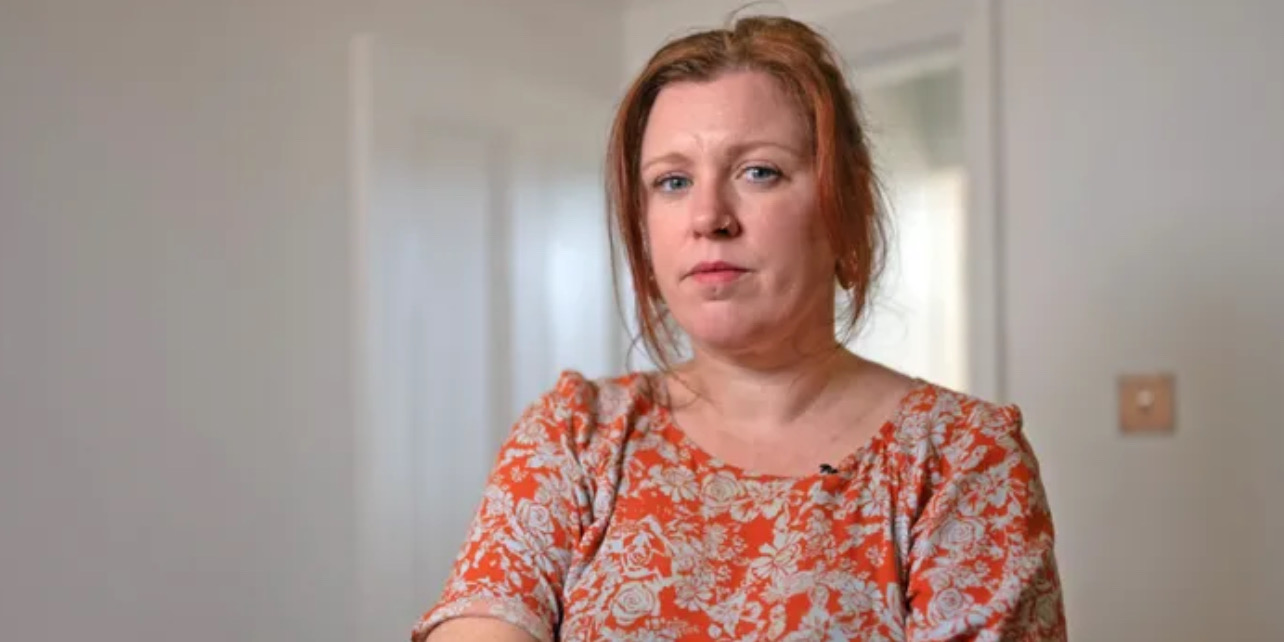
Among them is Tassie Weaver, who lost her first child, Baxter, during labour at full term. Despite being classed as a high-risk pregnancy due to high blood pressure and concerns over the baby’s growth, she was advised by a midwife on two separate calls to remain at home. By the time she was finally told to come in, her baby’s heart had already stopped beating.
A subsequent review by the NHS trust admitted that failures in her care were likely to have contributed to the outcome. Tassie’s case was rated at the lowest grade, with the review confirming inappropriate management despite clear signs of reduced fetal movement.
The BBC has now been contacted by 47 new families since its January report, which highlighted 56 potentially avoidable baby deaths and two maternal deaths at LTH between 2019 and mid-2024. Many of the latest families share common themes — being dismissed when raising concerns, lack of compassion, and feeling abandoned by the trust.
Three additional whistleblowers, including senior clinical staff, have joined those speaking out about a troubling culture within the trust’s maternity units. Some staff reported fear of raising concerns due to repeated inaction, contributing to a culture of silence and risk.
Leeds Teaching Hospitals has faced 107 clinical negligence claims related to obstetric care between 2015 and 2024, with over £71 million paid out in compensation. This includes 14 stillbirths and 13 maternal or neonatal deaths.
One such case was Heidi Mayman, whose daughter Lyla died in 2019 at four days old. Despite reporting pain and loss of fluids over a 37-hour period, Heidi’s concerns were dismissed. Investigators from the Healthcare Safety Investigation Branch found multiple failures in the care she received.
In response to mounting pressure, Health Secretary Wes Streeting met families this week to hear their experiences. While he has not committed to a national inquiry, he has proposed a new safety initiative, including a maternity improvement taskforce, peer support between trusts, and restorative justice meetings between hospitals and affected families. This approach has been criticised by campaigners who believe only a full independent inquiry can drive meaningful change.
Families are now urging the government to appoint senior midwife Donna Ockenden to lead an external review into Leeds’ maternity services, similar to inquiries she previously led in Shrewsbury and Nottingham. Many parents believe only an external expert can uncover the full scale of failings and ensure lessons are learned.
The Care Quality Commission (CQC) has conducted inspections of LTH’s maternity and neonatal services, issuing immediate feedback and requiring urgent action on staffing and safety standards. A full report is expected soon.
Meanwhile, NHS England has placed the trust under its Maternity Safety Support Programme, triggered by serious safety concerns. Kate Brintworth, chief midwifery officer for England, said the situation in Leeds is being taken extremely seriously, and improvements are being closely monitored.
Dr Magnus Harrison, Chief Medical Officer of LTH, said the trust is investing in staff, improving safety culture, and has launched an independent review of neonatal outcomes alongside NHS England’s peer review. He offered sincere condolences to families affected and acknowledged the need for further improvement.
As pressure mounts from grieving families and clinical staff alike, the spotlight is firmly on Leeds’ maternity services, with growing demands for accountability, transparency, and change.
