
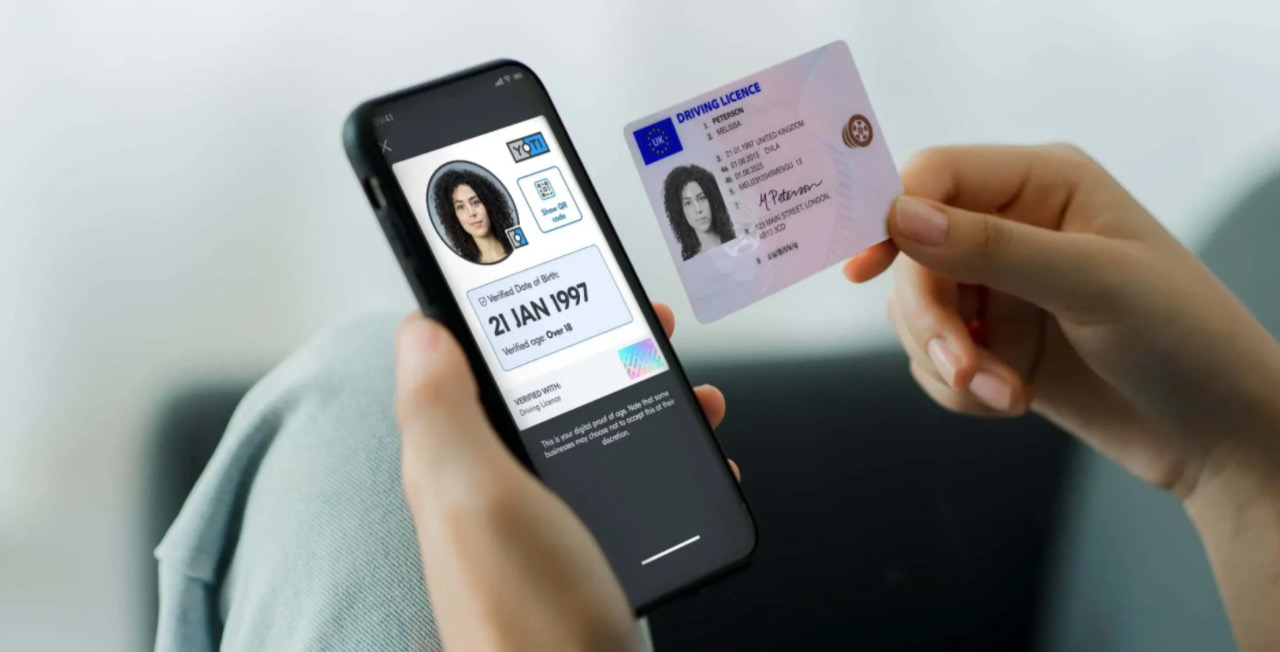
The UK government is reportedly considering the introduction of digital ID cards for all British adults, as part of a broader strategy to address illegal immigration and reduce abuse of public services.
According to The Times, senior figures in No 10 are evaluating a proposal to launch a smartphone-based ID system—dubbed the “BritCard”—which would be linked to central government records.
The digital card could be used to verify an individual’s right to live and work in the UK, access benefits, and help detect welfare fraud.
The idea is being spearheaded by the centre-left think tank Labour Together, founded by key Labour figures including Morgan McSweeney, currently Chief of Staff to the Prime Minister.
The plan has garnered support from multiple Labour MPs, notably Jake Richards (Rother Valley) and Adam Jogee (Newcastle-under-Lyme), who have both endorsed the proposal in a new policy paper.
The document argues that a digital ID system would simplify and speed up right-to-work and right-to-rent checks, currently a legal requirement for employers and landlords. The paper estimates the cost of developing the BritCard system at £400 million, with annual maintenance at around £10 million, operating via a free-to-use mobile app.
In their foreword, Richards and Jogee describe the BritCard as a key component of a fair but firm immigration enforcement strategy, one that avoids repeating past injustices such as the Windrush scandal.
They argue that the current system fails both legal residents and migrants by allowing criminal employers to exploit undocumented workers, driving down wages and undermining labour rights.
The digital ID card concept echoes former Prime Minister Tony Blair’s ID card initiative, which was ultimately shelved after his departure from office. However, advocates believe the current migration pressures, including the ongoing small boats crisis, have created renewed urgency for such a measure.
Critics of previous ID card schemes cited concerns over civil liberties and government overreach, but supporters say a modernised, digital-first approach could strike a balance between enforcement and ethics.
As debate grows, the UK Labour Party’s evolving stance on immigration policy is expected to be a defining issue in the lead-up to the next general election.
