
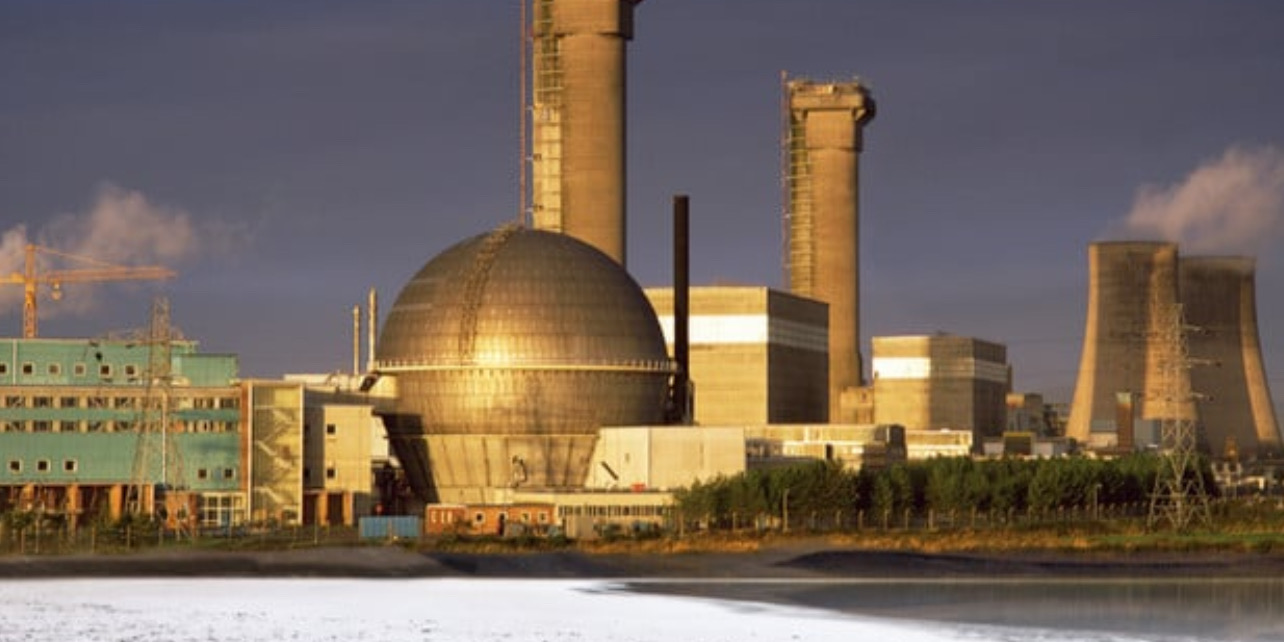
The Sellafield Replacement Analytical Project (RAP) has squandered £127 million during years of replanning and postponements as Sellafield Limited scrambles to find interim facilities for treating and repackaging plutonium.
Originally approved in 2019 with an estimated budget of £486 million to £1 billion, the RAP was designed to replace a deteriorating 70-year-old analytical laboratory on the Sellafield site. By February 2024, anticipated delivery slipped from 2028 to at least 2034, and projected costs ballooned to £1.5 billion. Faced with further delays and escalating expenses, Sellafield Ltd “strategically paused” RAP, ultimately abandoning the scheme and writing off the £127 million already spent.
Parliamentary Criticism of Project Management
A new report by the House of Commons’ Public Accounts Committee (PAC) lambasts Sellafield’s handling of major projects. The PAC notes that RAP “has been managed very poorly indeed,” citing five-year delays and a £820 million increase in forecast costs at the point of suspension. While there are “signs of improvement,” the watchdog remains unconvinced that this setback is not “another false dawn.”
Alternative Building Conversion and Refurbishment
In place of RAP, Sellafield plans to convert an existing 25-year-old facility to support the Sellafield Product and Residue Store Retreatment Plant, which processes plutonium for safe, long-term storage. The alternative, costing an estimated £420 million to £840 million, will also involve refurbishing the original 70-year-old lab—including a new roof—keeping it operational until 2040 rather than the previously planned 2070.
Rising Long-Term Decommissioning Costs
The Nuclear Decommissioning Authority warns that cleaning up the entire Sellafield site will extend until 2125 at a cost of £136 billion—up nearly 19 percent since March 2019. The wasted RAP expenditure adds fresh concern over the industry’s ability to deliver critical infrastructure on time and within budget.