
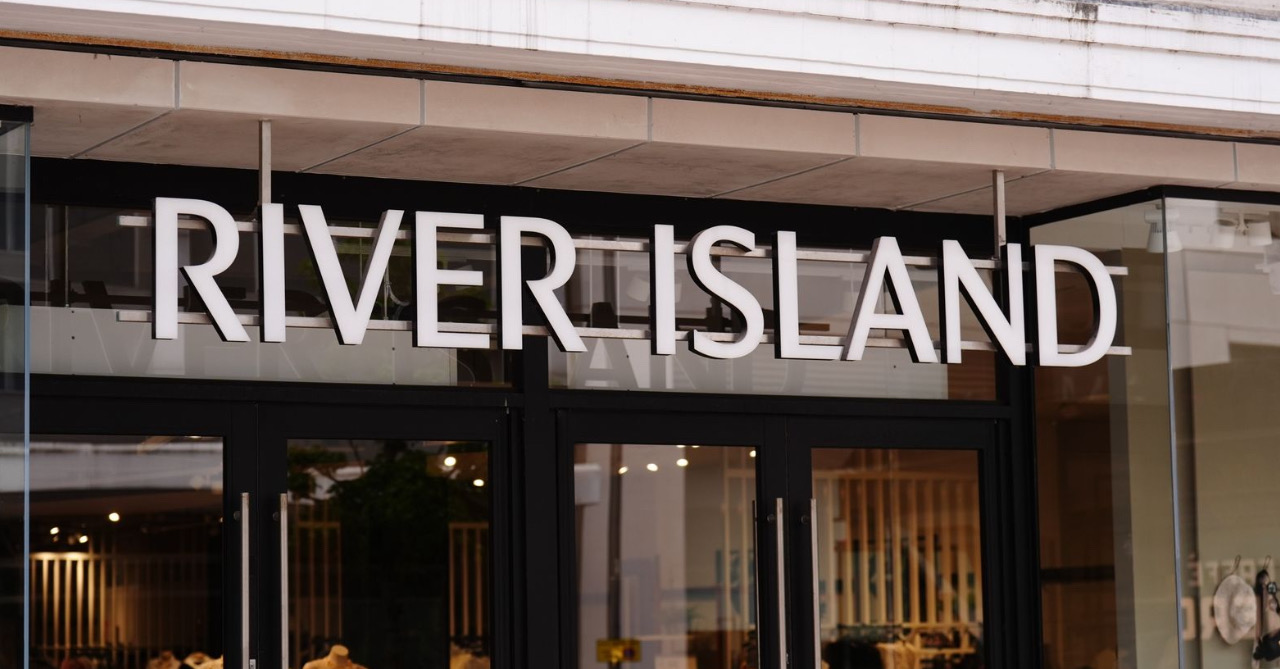
River Island, the iconic UK fashion retailer, is set to close 33 stores as part of a major restructuring effort that could impact hundreds of jobs across the British high street.
The proposed closures come as the retailer, which currently operates around 230 locations nationwide, attempts to realign its business amid changing consumer behavior and rising operational costs.
According to industry insiders, the restructuring plan—scheduled for a creditor vote in August—also places the future of an additional 70 stores in question. These locations may be spared if River Island successfully negotiates significant rent reductions with landlords.
This development follows earlier reports that River Island had engaged advisory firm PricewaterhouseCoopers (PwC) to lead its turnaround strategy.
In a statement released Friday, CEO Ben Lewis acknowledged the challenges facing traditional retail, citing a major shift toward online shopping and a sharp increase in business costs.
“River Island has a proud history on the UK high street, but evolving customer habits and economic pressures have made it clear that our current store footprint no longer reflects how people shop today,”
Lewis said. “Our transformation plan is already showing promise, but a formal restructuring is essential to protect the long-term future of the business.”
While the company declined to disclose the exact number of jobs at risk, River Island is known to employ around 5,500 staff. Sources close to the matter revealed that fresh funding could be injected into the business if the restructuring plan is approved this summer.
Founded in 1948 as Lewis Separates and later rebranded as River Island in the 1980s, the retailer has struggled to maintain profitability in an increasingly digital retail landscape. Financial records for 2023 show the company suffered a £33.2 million pre-tax loss, with annual revenue dropping over 19% to £578.1 million.
A restructuring plan, a court-overseen process, allows financially distressed companies to renegotiate terms with creditors, including landlords, to avoid entering administration.
Similar methods have recently been used by other high street brands like Poundland, which is also undergoing store closures and rent reductions.
In filings at Companies House, River Island Holdings Limited warned of growing financial and operational risks, including the fast-paced shift in consumer shopping preferences, supply chain disruptions, inflation, and weakened consumer spending.
The broader retail sector has also voiced frustration over tax reforms introduced by Chancellor Rachel Reeves in the 2024 Autumn Budget.
Since then, several well-known UK retailers—including Lakeland and The Original Factory Shop—have sought new ownership or undergone restructuring.
As River Island pushes forward with its recovery strategy, the company emphasizes that it will work to minimize job losses wherever possible.
