
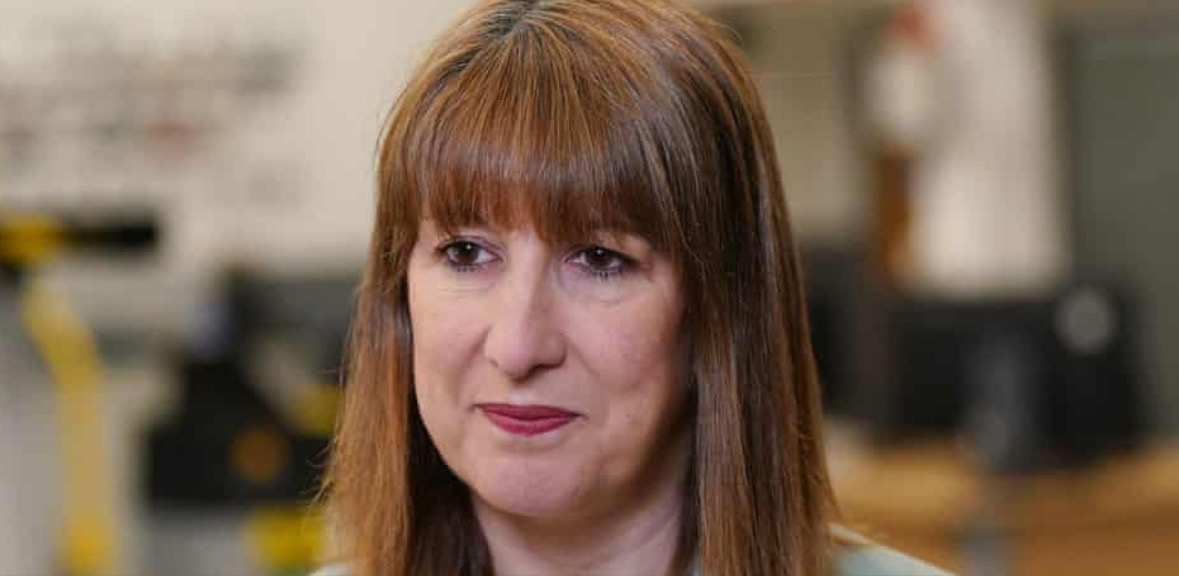
Chancellor Rachel Reeves is expected to extend the freeze on income tax thresholds in the upcoming autumn budget, as the UK government scrambles to fill a widening fiscal gap following a major U-turn on welfare reforms.
The freeze, originally introduced by former Conservative chancellor Jeremy Hunt, is set to end in 2028. However, independent analysts believe Reeves will likely extend the measure by at least two more years to raise fresh funds—potentially generating £8 billion annually. The move would drag more middle-income earners into higher tax bands, with an additional 500,000 people expected to pay the higher rate of tax this year alone.
Economic experts say Reeves is facing increased pressure after Labour leader Keir Starmer’s reversal on disability benefit cuts, which will add an estimated £3 billion a year to public spending by 2029–30.
Budget challenges mount as growth outlook dims
Reeves is attempting to balance fixing public services and stimulating growth without breaching Labour’s fiscal rules. But many economists agree that tax rises are now inevitable—particularly with the Office for Budget Responsibility (OBR) likely to downgrade its economic growth forecasts in the autumn.
The OBR is currently reassessing the UK’s productivity outlook, which is a key driver of growth and government revenue. If productivity projections fall short, the fiscal gap could widen further, forcing more difficult decisions.
Paul Johnson, director of the Institute for Fiscal Studies, warned that the impact of the downgraded OBR forecast could far exceed the welfare U-turn costs. “This adds to the pressure,” he said. “The threshold freeze is obviously the politically easiest thing to do.”
Labour tax pledges limit Reeves’ options
Labour has pledged not to increase income tax or VAT, limiting Reeves’ ability to raise significant revenue without breaching promises. Simon Wells of HSBC and Mujtaba Rahman of Eurasia Group both suggest that extending the threshold freeze remains the most viable path to secure up to £20 billion in extra fiscal headroom.
Treasury still hopeful for improved economic sentiment
Despite the looming fiscal crunch, Treasury sources maintain optimism about the UK’s economic prospects. Rising real wages and improved business confidence are cited as reasons to remain hopeful ahead of the autumn budget.
Reeves herself has downplayed recent disappointing public finance data, saying it should not be over-interpreted. However, frustration is growing within government over the weight placed on frequent OBR forecasts, with some calling for reform of the forecasting schedule.
The Bank of England governor, Andrew Bailey, also cautioned this week against placing too much emphasis on the OBR’s predictions.
