
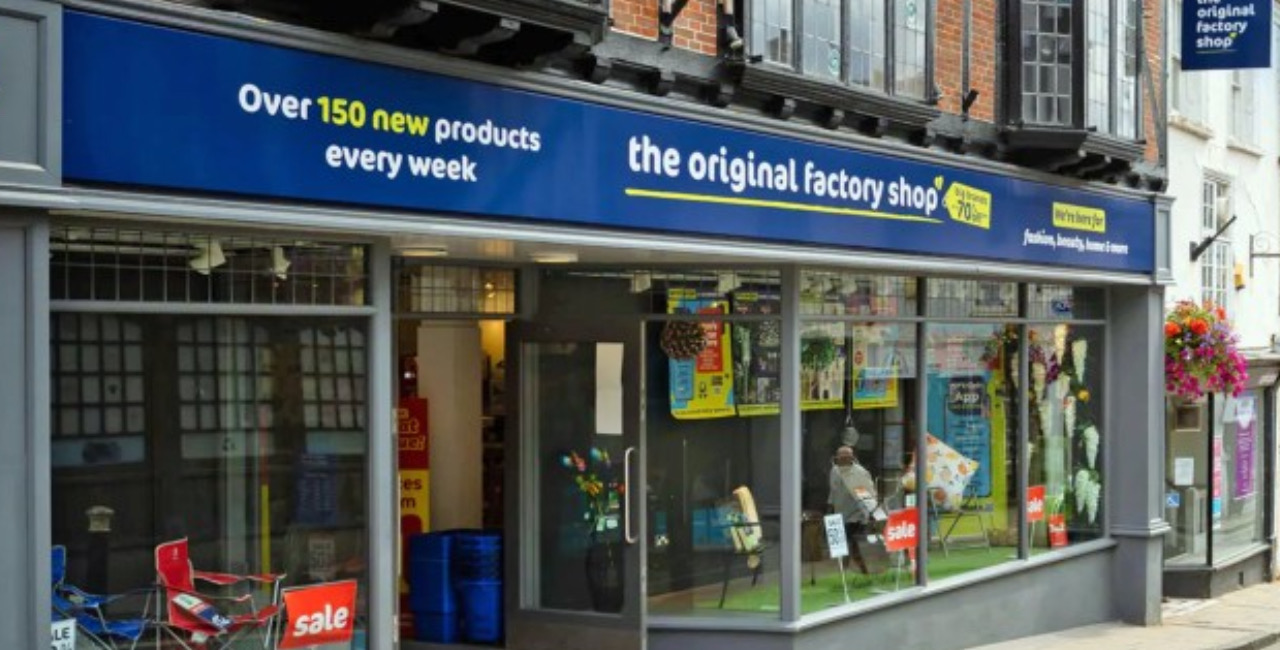
A well-known discount retailer has announced the closure of several more shops, delivering a fresh setback to high streets across the UK.
The Original Factory Shop (TOFS) is set to shut eleven of its branches in the coming weeks as part of a wider restructuring plan.
The store in Middlewich, Cheshire, will permanently close on Saturday, 28 June. It joins a growing list of closures recently confirmed by the chain, which also includes branches in Dorset, Aberdeenshire and Cumbria. In addition, five more locations will be listed for sale.
Local communities have expressed disappointment over the closures, with residents highlighting the store’s popularity and the loss of jobs in the area. Many shoppers described the news as a significant loss to their high streets.
The Original Factory Shop was acquired by Modella, the owner of Hobbycraft, in February. Modella has also taken over WH Smith’s High Street operations, with plans to rebrand them as TG Jones.
In a bid to stabilise the business, the group has announced plans to enter a company voluntary arrangement (CVA), a legal process aimed at preventing insolvency. As part of the CVA, several underperforming stores will be closed to reduce financial strain.
These latest closures follow a series of previous shutdowns, with over a dozen locations already closed in the past year. The wider retail sector has also suffered, with more than 13,000 shops across the UK permanently shutting in the last 12 months. Rising operational costs, including increased National Insurance contributions for employers, have added further pressure on high street businesses.
Other major retailers such as Iceland and Poundland have also announced closures, with numerous branches facing uncertain futures. Fashion retailer River Island has recently brought in consultants to assess strategies for keeping stores operational amid increasingly difficult trading conditions.
River Island, a staple of the British high street for over 75 years, originally operated under the names Lewis and Chelsea Girl before adopting its current brand identity in 1988.
As financial pressures continue to mount, the future of many high street retailers remains unclear, raising concerns about the long-term vitality of town centres across the country.
