
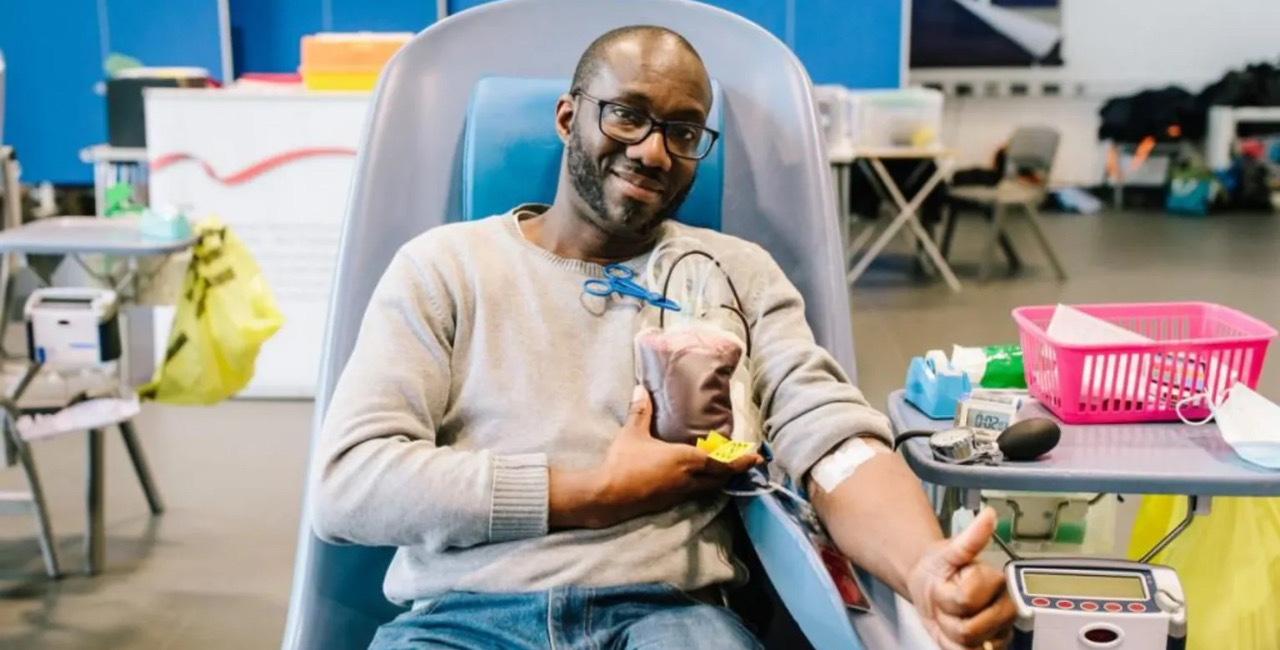
The NHS blood shortage continues to pose a serious challenge, prompting urgent calls for 200,000 new blood donors to come forward and help stabilize dangerously low supplies. NHS Blood and Transplant (NHSBT) says the health system remains at risk, with a “critical” need for more donations—especially from those with O negative blood, which can be used for most patients in emergencies.
Despite efforts to boost donations, the number of active, regular donors in England remains around 800,000. NHSBT aims to increase this figure to over one million to ensure a reliable and resilient national supply.
“Our blood stocks over the past 12 months have been challenging,” said Dr Jo Farrar, chief executive of NHSBT. “If we had a million regular donors, this would help keep our stocks healthy—you’d truly be one in a million.”
The ongoing shortage follows an amber alert issued last year, only the second in NHS history. That alert was triggered by a combination of low attendance at donor centres and increased demand following a major cyberattack. Stocks of O negative blood fell to just 1.6 days’ supply, well below the safe threshold.
Officials warn that the current situation could escalate to a “red alert”, in which demand would exceed supply, risking delays to non-urgent treatments and surgeries. NHSBT Chief Medical Officer Dr Gail Miflin said: “If you urgently need blood, you’ll get it. But others may face delays.”
The issue is deeply personal for families like that of four-year-old Isaac, who suffers from Spherocytosis, a rare condition that causes severe anaemia. Isaac requires transfusions every 12 weeks and affectionately calls the blood he receives “Hulk blood” for how strong it makes him feel. “It works like magic,” his mother Jasmin said, expressing concern about the shortage.
Health Minister Baroness Merron echoed the urgent need for donors from all backgrounds, emphasizing that Black donors are especially needed to treat conditions such as sickle cell disease, which require closely matched blood types.
Although 2024 saw an increase in people registering to give blood, NHSBT revealed that only 24% of those registered actually donated. Currently, just 2% of the population regularly donates blood—defined as donating within the last 12 months.
NHSBT is working with the government to expand access to donation services, open more local donor centres, and make appointments easier to book online. Two-thirds of all donated blood is used to treat people with cancer or chronic blood conditions.
People interested in donating can register and book appointments at www.blood.co.uk.
