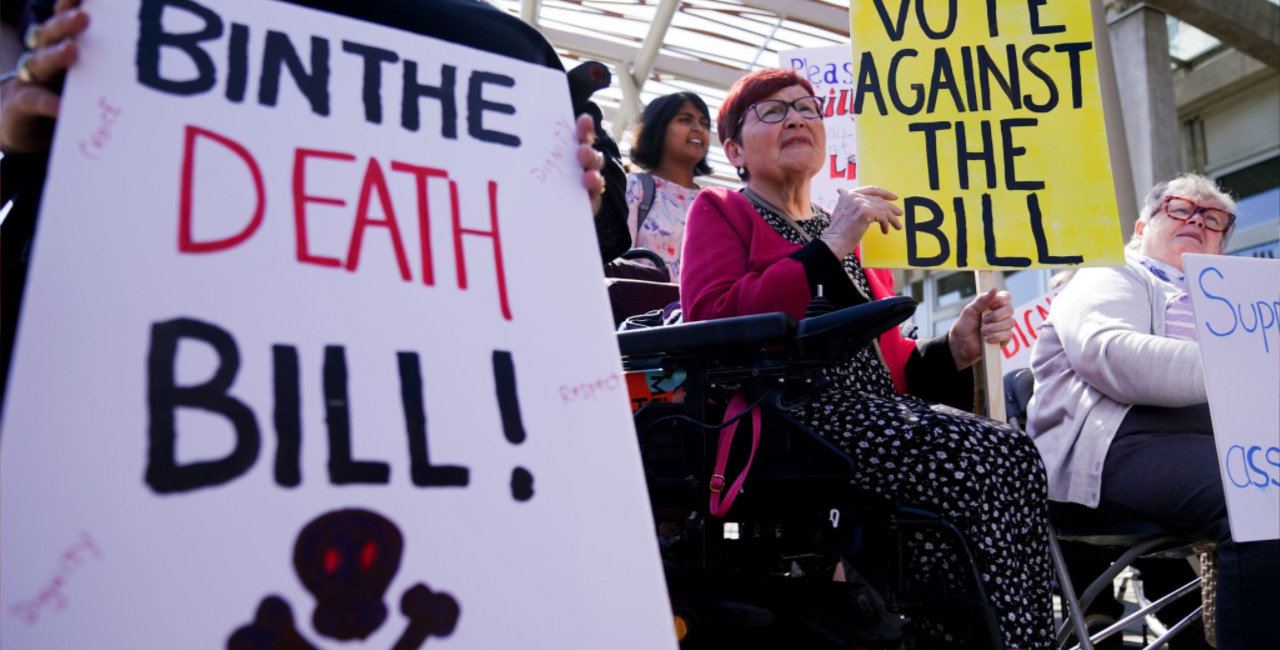
More than 1,000 senior NHS doctors have written an open letter to Members of Parliament, urging them to vote against the Assisted Dying Bill due to fears it poses a “serious threat to both patients and the medical profession”.
The proposed legislation—set for a final Commons vote on 20 June 2025—would permit terminally ill adults in England and Wales with a prognosis of six months or fewer to legally end their lives on their own terms.
A separate but similar measure is currently under consideration in the Scottish Parliament.
However, the letter from medical professionals, including some of the UK’s most respected consultants and researchers, expresses grave reservations about the bill’s ethical implications, safety, and long-term societal impact.
Leading UK Medical Experts Speak Out
Among the prominent signatories are:
- Sir John Burn, renowned for his decades of pioneering cancer genetics research
- Sir Shakeel Qureshi, a knighted paediatric cardiologist
- Professor Aileen Keel, former Deputy Chief Medical Officer for Scotland
- Baroness Finlay, Professor of Palliative Medicine and member of the House of Lords
The letter also bears the signatures of doctors honoured with OBEs, MBEs and a CBE, adding significant weight to the objections raised.
“Deeply Flawed” Bill Could Worsen Inequalities
While the letter acknowledges the importance of a national debate around end-of-life care, it warns that this particular proposal is “not the answer”.
The doctors highlight that key voices—especially from people with disabilities and marginalised communities—have not been adequately considered in parliamentary discussions.
They argue the bill is riddled with safeguard failures, labelling it a “deeply flawed and unsafe” piece of legislation that could disproportionately affect vulnerable groups.
Risk of Coercion and Social Pressure
A significant concern is the potential for coercive control, particularly among women, the elderly, and survivors of domestic abuse. The letter warns that the bill could pressure individuals into ending their lives due to financial hardship or family obligations, rather than true personal choice.
“Those struggling to afford heating, care, or who wish to preserve assets for their children may feel forced to die if the option is available,” the letter states.
Medical Prognosis Often Inaccurate
The signatories also raise the issue of inaccurate life expectancy predictions, noting that doctors miscalculate prognoses in around 40% of cases. This could result in terminally ill patients choosing an assisted death prematurely, losing out on potentially meaningful months or even years of life.
Exclusion of Family Members and Impact on Medical Staff
Doctors are alarmed by the bill’s failure to mandate family involvement. As it stands, a patient’s closest relatives might not even be aware of their decision until after their death.
Furthermore, evidence from countries such as the Netherlands suggests that doctors may feel pressured to participate in assisted deaths, even when it clashes with their moral or professional beliefs.
“Doctors want to support their patients, but this bill could force them to act against their conscience,” the letter cautions.
A Call to MPs: Protect Patients, Families, and Medical Ethics
Professor Colin Rees, who sits on the Royal College of Physicians’ working group on assisted dying, described the proposal as the “most significant healthcare legislation in over half a century”.
He echoed widespread concern that MPs may not be fully aware of the medical community’s views.
The collective message from the NHS doctors is clear: the Assisted Dying Bill, in its current form, represents a dangerous shift in medical ethics, with potentially irreversible consequences for patients, families, and the integrity of British healthcare.