
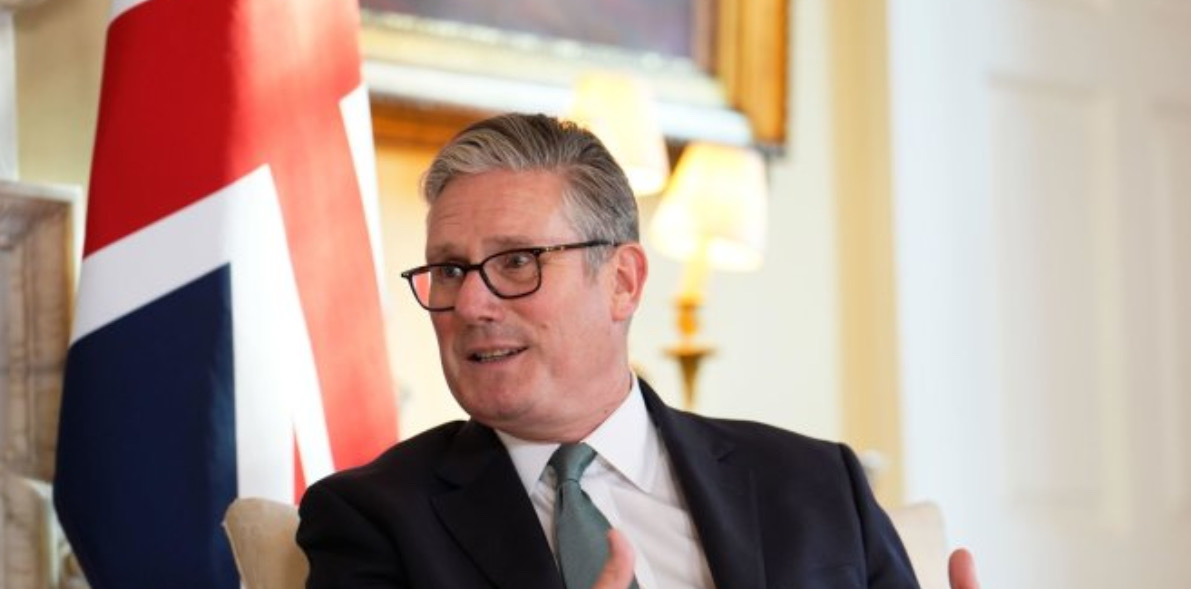
The Labour government is expected to win the upcoming vote on its proposed welfare reforms, but behind the scenes, tensions are rising within the Parliamentary Labour Party as frustration builds over a perceived lack of engagement and transparency from Downing Street.
Almost one year into office, Labour MPs are becoming increasingly vocal about concerns ranging from welfare policy to government communications.
Many backbenchers say they have yet to meet Prime Minister Keir Starmer, expressing discontent with what they see as limited opportunities to share their views with senior government figures.
This discontent is intensifying as Parliament prepares to vote on the Universal Credit and Personal Independence Payment (PIP) Bill. More than 100 MPs have signed a letter to Chief Whip Alan Campbell warning about the potential impact of reducing PIP support. According to reports, the government anticipates that at least 50 MPs could vote against the bill.
Government whips are reportedly working to convince potential rebels to abstain rather than oppose the legislation, warning that voting against the party would align them with Reform UK. Nevertheless, Labour insiders expect several resignations from junior ministers and parliamentary private secretaries, with frontbencher Vicky Foxcroft already stepping down over the issue.
MPs opposing the bill have focused on two key demands: a full impact assessment of the proposed PIP changes and revisions to the current scoring system for eligibility. From November 2026, individuals will need to score at least four points on a single activity to qualify, replacing the current system which allows support based on a broader range of moderate difficulties.
To address growing unrest, Chancellor Rachel Reeves and Work and Pensions Secretary Liz Kendall have been deployed to speak with MPs and rally support. However, many backbenchers remain unconvinced and feel sidelined by government leadership.
Tensions have also been fuelled by the government’s shift in position on launching a national inquiry into grooming gangs. The move, seen as a significant U-turn, has irritated loyal backbenchers who say they were previously told such an inquiry was unnecessary.
Labour MPs are expected to be more vocal in the coming weeks as the party approaches its first anniversary in government. Key internal groups such as the Red Wall Caucus and the Labour Growth Group are set to meet and align on policy priorities, including increased funding for policing.
Meanwhile, changes are planned for the government’s communication strategy. Prime Minister Keir Starmer will aim to use Prime Minister’s Questions to focus more on Labour’s achievements rather than criticising the opposition. This shift comes amid internal admissions that the government’s messaging has been lacking.
Despite speculation, no Cabinet reshuffle is expected in the near term. Starmer is reportedly sceptical about the effectiveness of reshuffles and remains committed to his current team. Likewise, any suggestion that Labour might seek to withdraw the UK from the European Convention on Human Rights has been firmly rejected by those close to the Prime Minister.
As the welfare vote approaches, Starmer faces the dual challenge of maintaining party unity while managing public expectations of a government still in its first year. How he navigates this internal rebellion may set the tone for the remainder of his premiership.
