
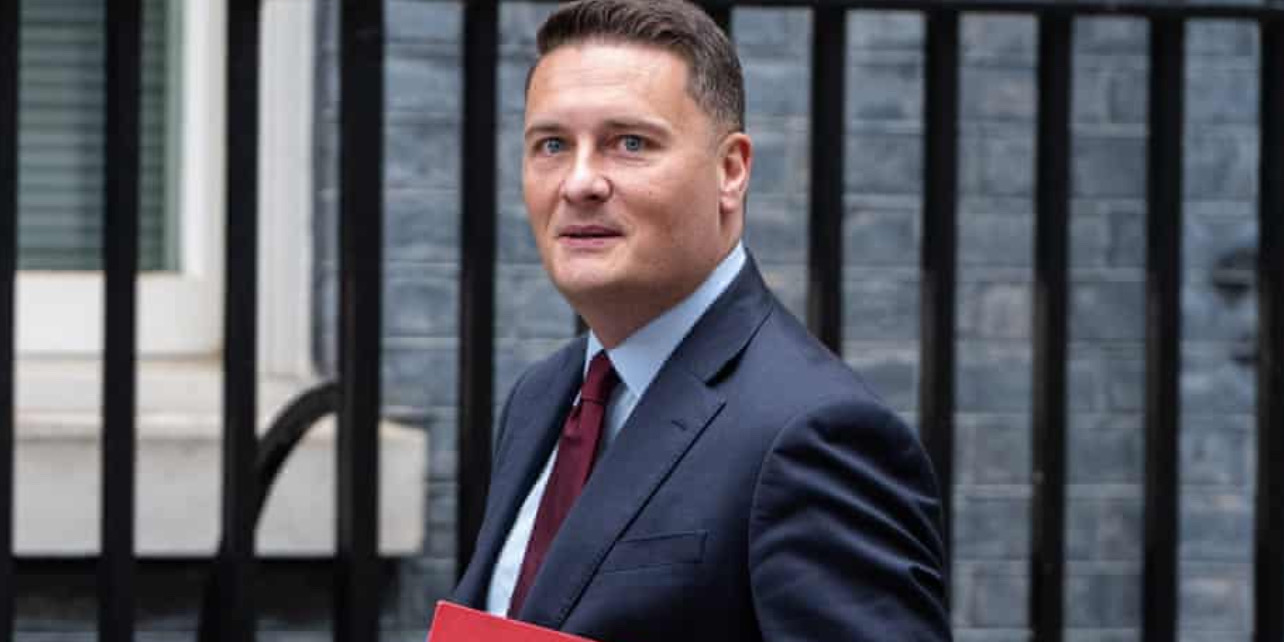
Health Secretary Wes Streeting has questioned whether the NHS can afford to implement the newly passed assisted dying bill, despite acknowledging its profound impact on society and end-of-life care.
Wes Streeting, the UK’s Health Secretary, has voiced strong reservations about the financial and ethical implications of launching an assisted dying service under the NHS. His remarks follow the House of Commons’ approval of the assisted dying bill UK, which would allow terminally ill adults in England and Wales to request medically assisted deaths under strict conditions.
Writing directly to constituents in Ilford North, Streeting said he respected the motivation behind the bill and the dignity sought by those facing terminal illness, but warned that establishing the service would require resources that the NHS simply does not have.
“There isn’t a budget for this,” he wrote. “Even if assisted dying may eventually reduce costs in end-of-life care, setting up such a service demands money and time – both of which are in short supply.”
Streeting, a former supporter of assisted dying, changed his stance last year, citing ethical dilemmas and inadequate NHS infrastructure to support a new service of this magnitude.
Concerns from Medical and Disability Groups
Streeting highlighted concerns raised by the Royal College of Psychiatrists, Royal College of Physicians, and the Association for Palliative Medicine, along with disability rights campaigners. These groups fear that the legislation could place vulnerable people at risk or erode trust in palliative care systems.
He said the Department of Health would work with the Care Minister Stephen Kinnock on the bill’s technical framework, should it clear the House of Lords.
Estimated Costs and Long-Term Savings
A government impact assessment predicts that approval panels for assisted dying procedures could cost between £900,000 and £3.6 million over the next decade. Annual operational costs, including a commissioner’s office, could reach up to £13.6 million. However, long-term projections suggest potential savings in palliative care, estimating 2,183 people might use the service by year ten.
Legislative Path Ahead
The bill, passed in the Commons by a 23-vote margin, now proceeds to the House of Lords. It allows terminally ill adults with less than six months to live to apply for an assisted death. Approval would require two doctors and an oversight panel including a legal authority, a psychiatrist, and a social worker.
Labour peer Charlie Falconer, who will lead the debate in the Lords, urged peers not to block the bill using procedural tactics. Instead, he called for constructive improvements that maintain the bill’s principles.
