
The government has offered key concessions to Labour rebels to avoid defeat over its contentious welfare reform bill, which aims to overhaul Personal Independence Payment (PIP) and Universal Credit eligibility.
More than 120 Labour MPs had signalled their intent to vote against the legislation in Tuesday’s Commons vote, threatening to derail Prime Minister Keir Starmer’s major welfare agenda.
Ministers were forced into last-minute negotiations after failing to rally support through internal lobbying efforts.
PIP Cuts Reversed for Current Claimants
Originally designed to tighten eligibility for PIP—the UK’s main disability benefit—and reduce support under Universal Credit’s health component, the bill was set to trim £5bn from the welfare budget by 2030.
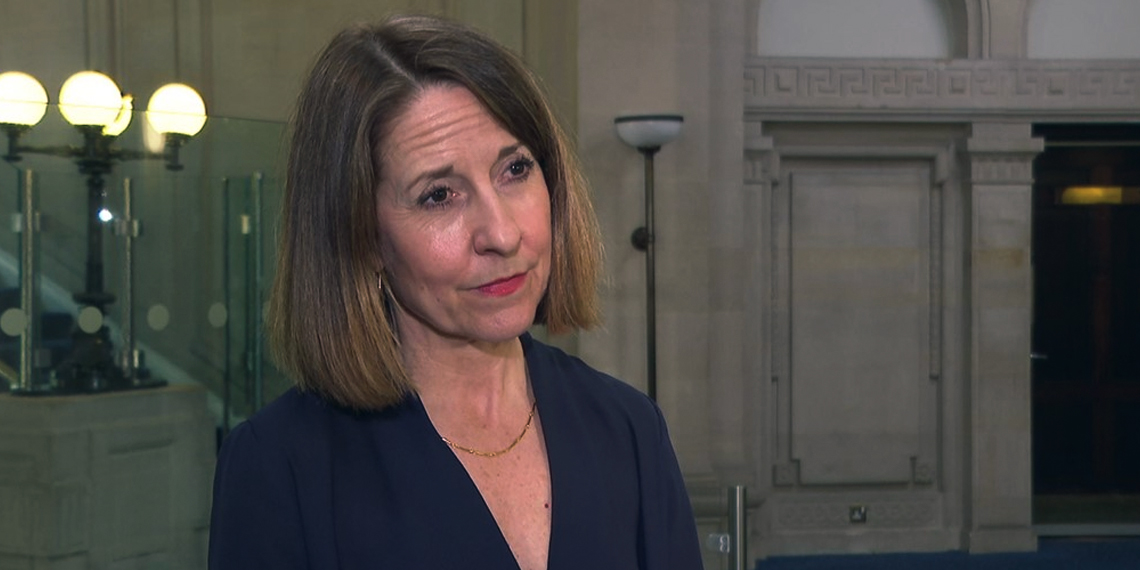
But in a letter to MPs, Work and Pensions Secretary Liz Kendall confirmed two major changes. First, all current PIP recipients will remain in the existing system.
New, stricter eligibility rules will take effect for new claimants starting in November 2026.
Second, all existing Universal Credit claimants receiving the health element will see their payments protected in real terms, with new claimants with severe conditions also safeguarded.
The U-turn came in response to a “reasoned amendment” led by Treasury Committee Chair Dame Meg Hillier, who had criticised the lack of consultation with disabled people.
She welcomed the changes as a “good deal” that reflects “massive improvements to protect the most vulnerable.”
Welfare Reform Concessions May Cost £3bn Annually
According to the Resolution Foundation, the revised reforms could now cost between £2.6bn and £3.2bn annually by the end of the next decade.
However, Care Minister Stephen Kinnock declined to say how the extra spending would be funded, stating the Chancellor would provide details in the autumn Budget.
The government had originally proposed freezing the Universal Credit health element at £97 a week and slashing it to £50 for new claimants.
These cuts will now only apply to future claimants, sparing millions of existing recipients.
Sky News reports that around 370,000 people will no longer face losing their PIP support due to the revised proposals.
Labour Split Over Welfare Bill Reforms
While some senior Labour rebels have welcomed the changes and are expected to vote with the government, several prominent MPs—including Diane Abbott, Richard Burgon, Nadia Whittome, and Brian Leishman—have vowed to oppose the bill regardless.
One unnamed Labour MP told Sky News that up to 50 MPs still plan to vote against the legislation, warning that opposition numbers could grow again over the weekend. A WhatsApp group has reportedly been created to coordinate rebels.
A total of 126 Labour MPs had originally signed an amendment calling for the bill to be paused and subjected to further scrutiny, citing concerns that disabled people were not properly consulted.
Tories Accuse Labour of Unfunded Spending
Tory figures have criticised the concessions. Shadow Chancellor Sir Mel Stride described the changes as a “screeching U-turn” and warned of yet another unfunded spending commitment.
Shadow Work and Pensions Secretary Helen Whately added that the deal risked creating a “two-tier benefits system”, potentially discouraging claimants from seeking work.
What Is Changing in the Welfare System?
PIP Reform: The proposed change would have required claimants to score at least four points in one category—such as mobility or personal care—to qualify for the daily living element. This rule will no longer apply to current claimants.
Universal Credit: The government’s plan to freeze and then cut the health element of Universal Credit will now only affect new claimants. Existing recipients will maintain their support, adjusted in line with inflation.
