
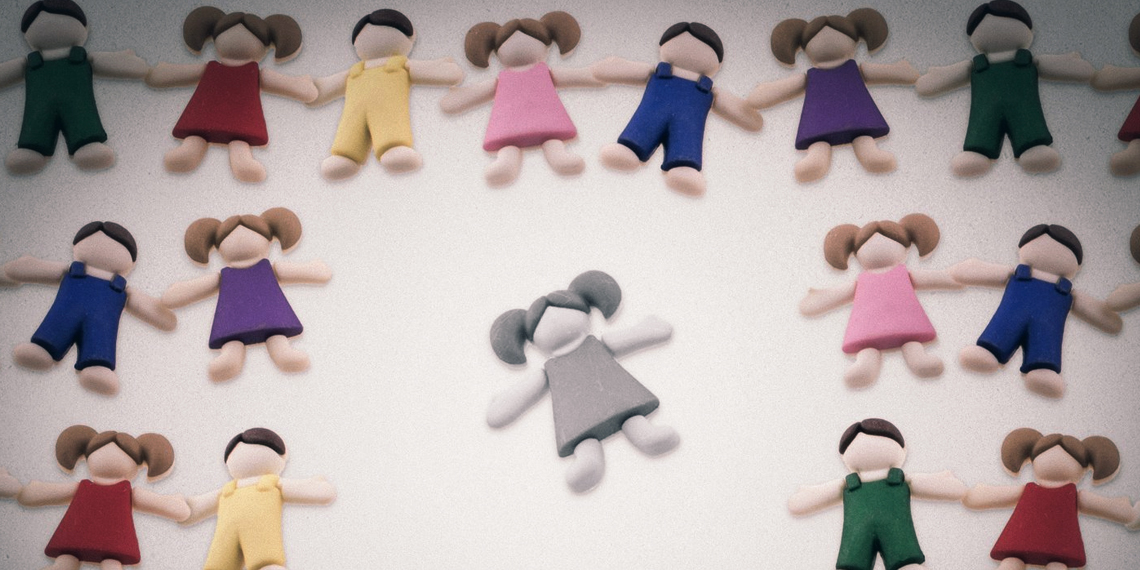
A major investigation has revealed that over 377,000 children in England and Wales have been identified as being at risk of domestic abuse in the past five years—yet systemic failures continue to leave them unprotected. The disturbing figure comes alongside news that at least 396 of those children have died, despite the legal recognition that children exposed to domestic abuse are victims in their own right under the Domestic Abuse Act 2021.
A case that underscores this crisis involves Beth*, a survivor of domestic abuse whose daughter Mary* began mirroring her father’s coercive language after being placed in his care. Despite warnings from professionals, Beth was repeatedly denied support by local authorities and the family courts.
New Report Reveals Fatal Consequences
According to Women’s Aid, 19 children have been killed by a parent who was also a known perpetrator of domestic abuse over the past nine years. In 15 of the 18 cases where the identity was confirmed, the abusive parent was the biological father.
The extent of this crisis was further underscored by data obtained by openDemocracy, which shows that 33 police forces recorded over 535,000 domestic abuse-related crimes between 2022 and 2024, with nearly 110,000 involving “violence with injury” and connections to children.
Domestic Abuse Commissioner Calls for Urgent Reform
Nicole Jacobs, Domestic Abuse Commissioner for England and Wales, says the true number of children at risk may be as high as 800,000. She warns that current services are failing to address the psychological and physical damage children face after witnessing or enduring abuse.
“Children tell us they feel invisible in these systems,” Jacobs said, noting that some children are denied individual support and remain in harmful environments even when agencies are fully aware of the risks.
Mental Health Crisis Among Victims’ Children
Children like Mary often suffer from severe anxiety, panic attacks, and isolation. Half of the young patients treated by the NHS Children and Adolescents Mental Health Service (CAMHS) report a history of domestic abuse.
Beth, who is now in suicide support care, says her daughter was emotionally manipulated by her ex-partner, a pattern supported by an expert commissioned by police who cited clear signs of coercive control. Yet, authorities failed to act—police dropped the case, social services shifted blame onto Beth, and the family courts gave Mary the choice to sever ties with her mother.
Family Courts Accused of Enabling Abuse
Criticism has mounted against the family courts in England and Wales, where the “presumption of contact” often overrides evidence of abuse. Jacobs says abusers are using legal proceedings as a tool for continued control—a form of “post-separation abuse.” Women fear speaking out in court due to the risk of being accused of ‘parental alienation’.
Beth’s case echoes these concerns. Her ex omitted his violent history, falsely accused her of being abusive, and manipulated the court process. After spending £65,000 in legal fees, she still lost contact with her daughter.
Children Call for Safer Family Court Decisions
Children who participated in Jacobs’ “Tell Nicole” sessions expressed concerns over unsafe court-imposed custody arrangements. They described being placed with abusive parents and pleaded for judges to listen to their experiences.
Jacobs urges cross-sector reform: “Understanding the scale of the problem is key to driving reforms in policing, health, education, and social care. Right now, children are falling through the cracks.”
Beth’s final plea is stark: “No services are working to protect victims unless there is physical violence. Emotional and coercive abuse is being ignored—and children are paying the price.”