
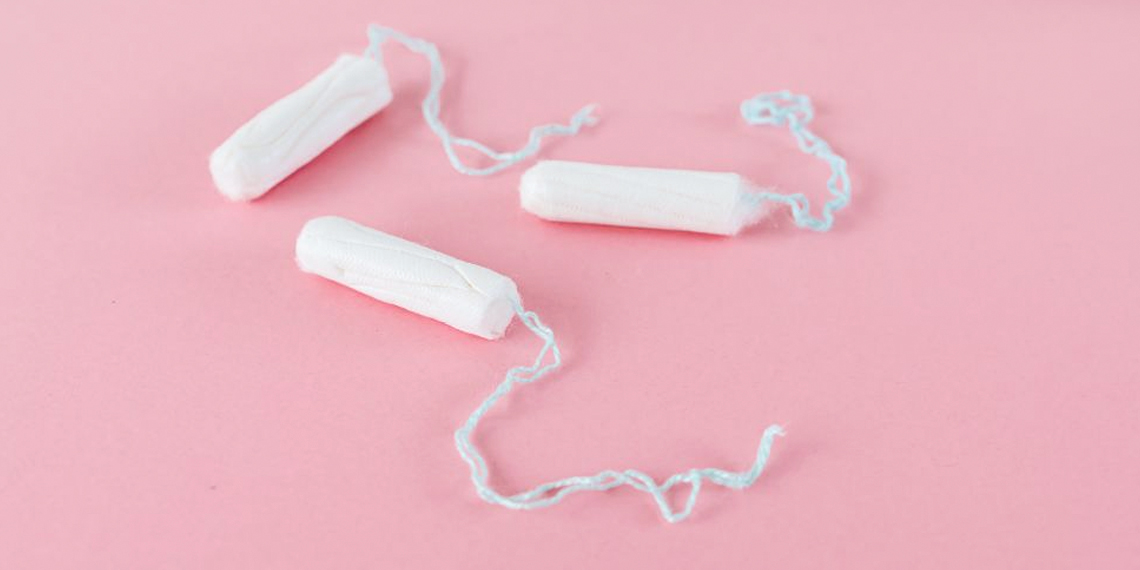
The United Kingdom is facing a growing crisis as period poverty sees a dramatic rise, driven by the escalating cost of living.
New research by ActionAid has revealed that 21% of women and people who menstruate in the UK now struggle to afford period products—an increase from 12% in just one year.
This equates to about 2.8 million individuals, with nearly one million more affected than in 2023.
As prices for food, energy and essentials continue to soar, many are forced to make difficult decisions. The result is a troubling trend where people are resorting to unsafe alternatives to manage their periods.
Among those affected, 41% admitted to wearing tampons or pads for longer than recommended, while 8% said they had re-used disposable products—practices that carry significant health risks.
In the past year, 37% of respondents said they used tissues or cotton wool as substitutes for sanitary items. Others turned to socks, old clothing, or even newspaper. These improvised methods are not only unsafe but contribute to embarrassment, anxiety and isolation.
While some schools and workplaces provide access to period products, this is far from universal. More than a quarter of those surveyed said they relied on such support, but 17% chose to stay at home during their period.
For many, this means missing out on school, work, socialising or physical activity, which can lead to longer-term consequences for mental wellbeing and opportunity.
The rising cost of living continues to push many into impossible choices. Among those experiencing period poverty, 60% prioritised food over sanitary products.
Almost half put energy bills first. Around 24% reported sacrificing their own menstrual needs in order to provide for a dependant.
The issue disproportionately affects younger people. More than one in four respondents aged 18 to 24 said they were unable to afford period products—making them the most vulnerable age group.
The stigma and lack of access surrounding menstruation are also leading people to miss key parts of everyday life.
The survey found that 14% had missed work during their period, and 13% had missed school, university or college. Thirty-nine percent skipped exercise or sport, while 25% avoided social outings entirely.
Among 18 to 24-year-olds, the impact was even greater—48% said they had missed at least one of these activities. Reasons included discomfort in wearing uniforms or sports kits, with 32% saying they felt physically or emotionally unable to participate.
Seven percent cited fear of bullying or teasing. A majority—64%—said they were impacted by symptoms such as fatigue or anxiety, which kept them from going out.
Despite growing public efforts to destigmatise menstruation, embarrassment remains widespread—and is even rising among young people. The survey revealed that 22% of those aged 18 to 24 felt embarrassed during their period, up sharply from 8% in 2022.
Among those who reported anxiety or shame, many said the causes included fear of visible leakage, being seen carrying sanitary items, or receiving jokes or comments from peers or family members. These social pressures contribute to ongoing silence and shame, making it harder for people to speak openly about their needs or seek help.
With period poverty affecting millions across the UK and globally, this year’s Menstrual Hygiene Day serves as a reminder that basic access to period products is a right—not a luxury. No one should have to use makeshift materials or miss school, work or social life because they cannot afford menstrual care.
ActionAid is encouraging people to help break the cycle of period poverty by donating just £3 a month. This small contribution can help ensure safe and reliable access to sanitary products for girls and women who need them most—including those living in refugee camps or vulnerable communities.
Period poverty is not just about hygiene—it is about health, dignity, opportunity and equality. As the crisis grows, so does the urgency to act. Supporting those affected is a step towards a fairer society where no one is held back simply for having a period.
