
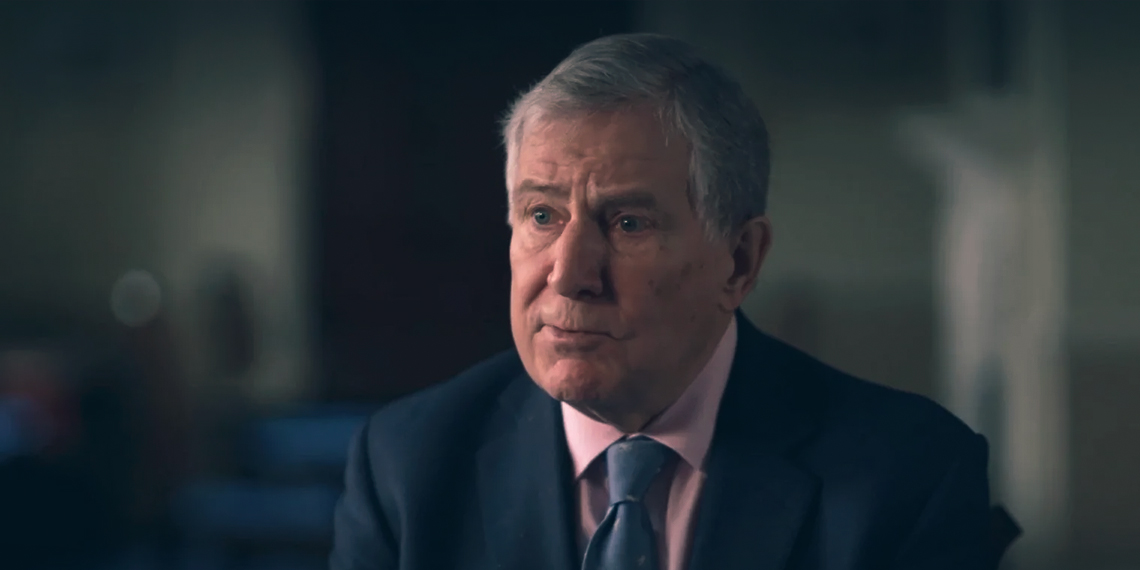
Dozens of former British soldiers have come forward in a BBC Panorama investigation to expose UK Special Forces war crimes committed in Afghanistan and Iraq.
In the most detailed public testimony to date, veterans from the Special Air Service (SAS) and Special Boat Service (SBS) describe a decade-long pattern of illegal killings, cover-ups, and command-level complicity in operations that violated the laws of war.
According to over 30 former UKSF personnel, British troops executed unarmed civilians, handcuffed detainees, and even children—acts veterans say became “routine” during tours in conflict zones. The revelations include disturbing claims of SAS operators planting weapons on bodies and falsifying post-operation reports to evade scrutiny.
Child executions and falsified reports detailed by veterans
One former SAS member recalled witnessing a handcuffed young boy being shot in the head. “He was clearly a child, not even close to fighting age,” he said. Others reported detainees being executed after capture, often with planted weapons or grenades placed by the bodies to fabricate justification.
Panorama’s investigation reveals that some operators developed “psychopathic” traits, competing to log kill counts and killing with impunity during night raids. In one incident, an SAS soldier allegedly slit the throat of an injured Afghan man simply to “blood his knife.”
Veterans claim that fake incident reports were routinely produced to avoid investigations. Legal advisors and commanding officers allegedly coached soldiers on how to rewrite reports to avoid triggering oversight by the Royal Military Police.
“If it looked like a breach of the rules, you’d get a call from HQ to adjust your report,” one SAS veteran said. “The whole process was fiction.”
Inquiry and lack of oversight under fire
Despite international laws forbidding the execution of civilians or detainees, the UK remains one of the few Western nations without parliamentary oversight of its special forces. Critics say this absence has allowed a culture of impunity to thrive within elite regiments.
The ongoing public inquiry—spurred by earlier Panorama reporting—is now expected to delve deeper into the extent of senior-level awareness and complicity in these alleged war crimes.
