
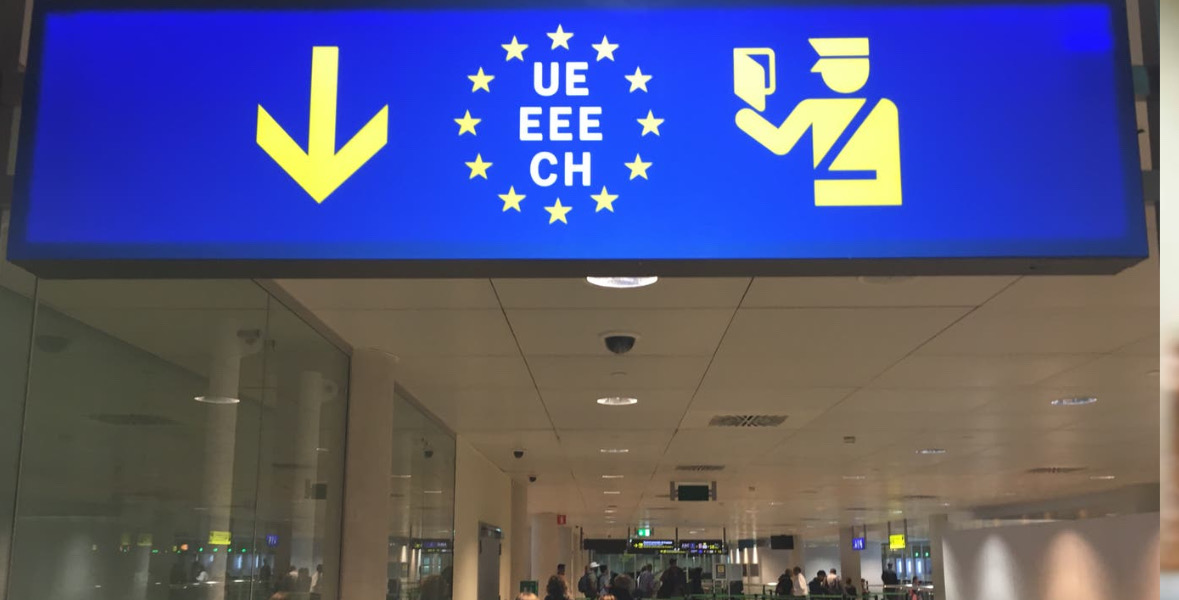
British holidaymakers may soon be able to use fast-track passport e-gates across the EU once again, under a new post-Brexit agreement being pursued by Prime Minister Sir Keir Starmer’s government.
Speaking ahead of a key UK-EU summit in London on Monday, EU Minister Nick Thomas-Symonds confirmed that negotiations were underway to streamline entry for British travellers across European borders.
He told broadcasters on Sunday that the aim was to reduce lengthy post-Brexit delays at airports and enable tourists and business travellers to “spend more time enjoying their trips, rather than queuing at border control”.
“It’s just common sense,” he told the BBC’s Sunday with Laura Kuenssberg, while stressing that talks were ongoing and no deal had been finalised yet. “Nothing is agreed until everything is agreed,” he added.
Since the UK’s departure from the European Union, British citizens have been forced to use slower “all passports” lanes upon arrival in EU countries, often facing long delays.
The new agreement would reinstate access to electronic passport gates—currently reserved for EU and EEA nationals—significantly speeding up entry at major European airports.
The move is expected to be welcomed by UK travellers, who have long complained about the inconvenience caused by Brexit-era border changes.
Notably, broadcaster Jeremy Clarkson has publicly criticised the current system, branding the extended passport checks a “nuisance” and saying it had put him off holidaying in Europe altogether.
Monday’s summit will also see the UK host European Commission President Ursula von der Leyen and European Council President António Costa.
Other proposals expected to be unveiled include a youth mobility scheme—allowing young people from the UK and EU to live and work in each other’s territories for limited periods—and British participation in the EU’s €150 billion defence fund.
The youth mobility initiative would mirror similar schemes the UK has with countries like New Zealand and South Korea and is likely to appeal to students and early-career professionals seeking international experience.
While the government insists the new deal will respect Britain’s Brexit “red lines”—including no return to the single market, customs union or freedom of movement—critics have accused Starmer of “betraying Brexit” by allowing greater mobility through a side door.
Nonetheless, Downing Street insists the deal is focused on practical cooperation and improved relations with Brussels, rather than reversing Brexit outcomes.
For millions of travellers, however, the prospect of quicker border checks could signal one of the most tangible benefits of a post-Brexit reset.
