
The UK government is actively pushing for a UK-EU e-gates deal to allow British passport holders to fast-track through European airports, a move that could dramatically cut border waiting times for travellers.
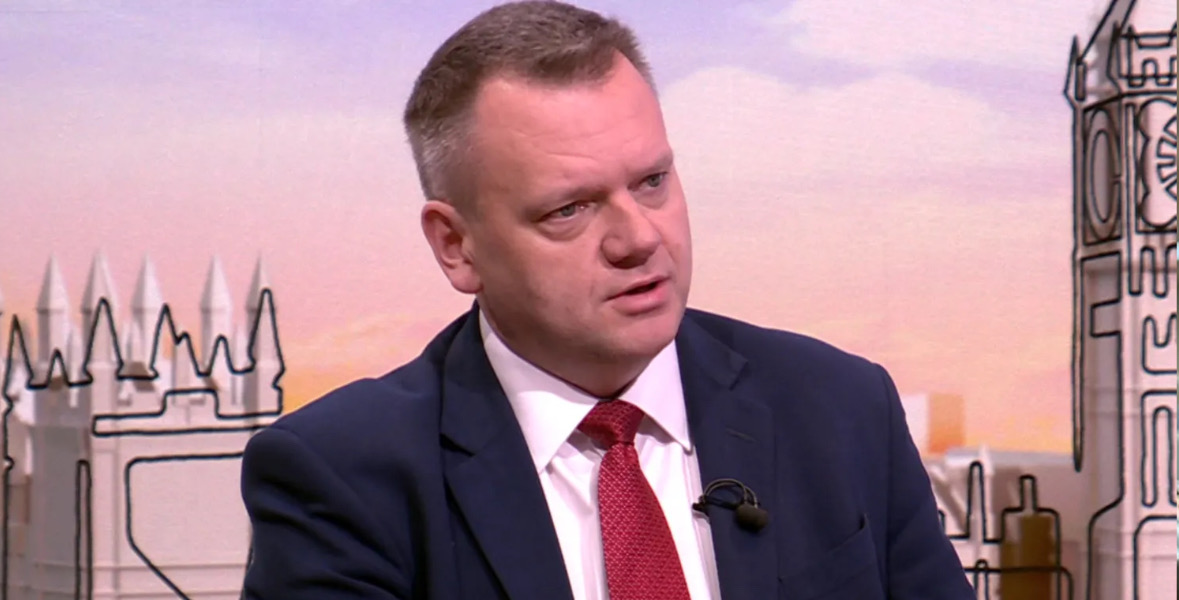
European relations minister Nick Thomas-Symonds confirmed ongoing negotiations with the EU ahead of Monday’s landmark UK-EU summit in London, calling the agreement a “very sensible objective” to avoid long queues at border control.
While talks are in their final stages, Thomas-Symonds emphasized that the proposal is part of broader efforts to improve trade, travel, and cooperation post-Brexit. However, critics warn the UK could risk regulatory alignment with the EU in return for smoother travel.
First UK-EU Summit Since Brexit
Prime Minister Sir Keir Starmer is expected to meet European Commission President Ursula von der Leyen and European Council President Antonio Costa to finalise the deal. This is the first bilateral summit between the UK and EU since Brexit.
In addition to the UK-EU e-gates deal, announcements are expected on streamlined food export and import rules, British access to the €150 billion EU defence fund, and a new youth mobility scheme.
Describing his approach as “ruthless pragmatism”, Thomas-Symonds said the government is focused on securing jobs, lowering household bills, and strengthening the UK’s borders. He added that the UK will consider contributing to EU projects “on a case-by-case basis.”
Faster Travel, But At What Cost?
Pressed on whether the UK would need to adopt more EU rules as part of any deal, Thomas-Symonds said it would involve “a sovereign choice” on common standards. But some Conservative MPs see this as a red flag.
Tory MP Alex Burghart warned that the UK could become a “rule taker” once again, surrendering its post-Brexit independence. He voiced concern over potential “dynamic alignment” on food and trade regulations, even though the UK would no longer have a seat at the EU negotiating table.
Youth Mobility Scheme Sparks Brexit Debate
A youth mobility agreement allowing people under 30 to live and work across the UK and EU is also on the table. Thomas-Symonds said any such deal would be “smart and controlled”, ruling out a return to freedom of movement. However, he did not confirm whether there would be limits on numbers or timeframes.
Liberal Democrat MP Calum Miller criticised the government for not going further, calling for an ambitious path toward a customs union to benefit British businesses. He claimed cutting red tape could generate £25 billion in trade value.
Meanwhile, Reform UK leader Nigel Farage lashed out at the possibility of a youth mobility scheme and EU fishing access, saying such deals would represent “a betrayal of Brexit”. Farage argued that under such plans, “British soldiers could end up under an EU flag” and warned of a one-sided migration flow from the EU to the UK.
Final Talks Underway Ahead of Landmark Deal
As the final hours of negotiation continue, UK officials remain hopeful that a wide-ranging agreement can be reached without compromising on core promises like reduced net migration and border control.
Thomas-Symonds reiterated that “nothing is agreed until everything is agreed,” but stressed his confidence in securing faster travel for British citizens and lower trade barriers with the EU.