
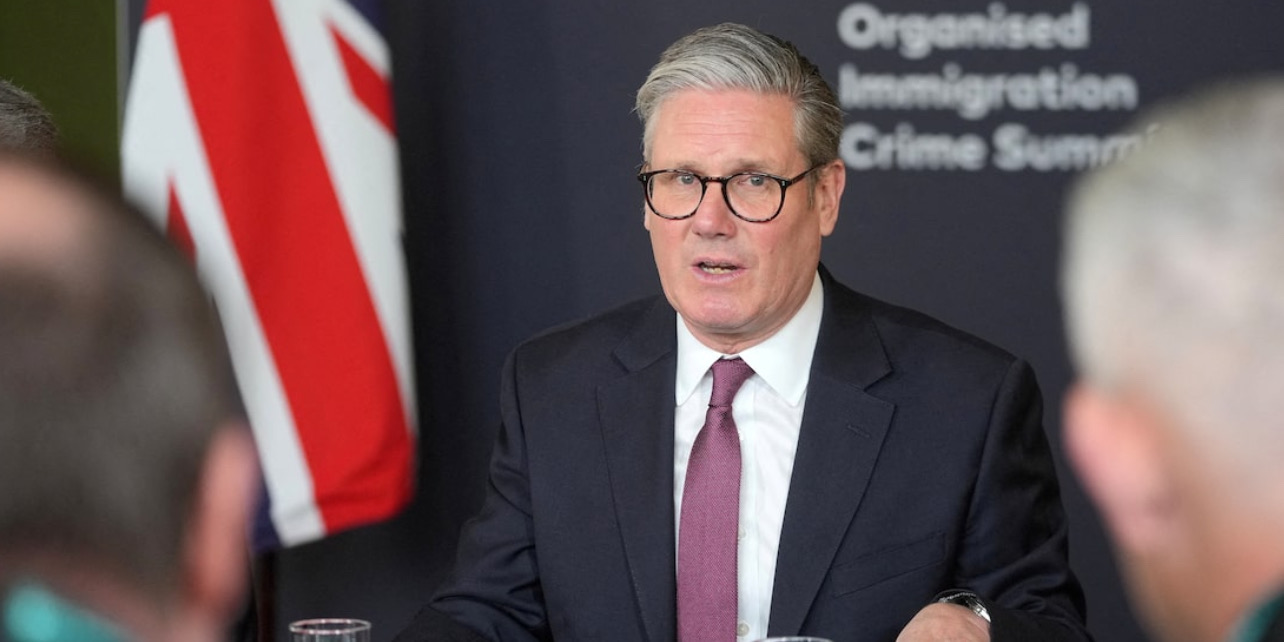
The UK government has announced sweeping reforms to the skilled worker visa system, aiming to curb net migration and prioritise British workers through enhanced training requirements. Under the new proposals, only applicants in graduate-level jobs will be eligible for skilled visas, while lower-skilled roles will be limited to sectors deemed essential to the UK’s industrial strategy.
The plans, to be outlined in a white paper on Monday, mark a decisive shift away from what ministers described as a “failed free market experiment” in mmigration policy.
Visa access tightened for non-graduate roles
Interior Minister Yvette Cooper confirmed that skilled visas would no longer be granted for lower-skilled positions unless the roles directly support critical national interests. The government will also demand that businesses ramp up investment in domestic training as a condition for recruiting from abroad.
This move follows pressure on Prime Minister Keir Starmer to take firmer control of the UK’s immigration system after the recent local election success of Nigel Farage’s Reform UK party, which ran on a hardline anti-immigration platform.
Post-Brexit policy reversal targets public concerns
The white paper reverses several post-Brexit changes made by the previous Conservative government, which had reduced the skill threshold and allowed professions such as yoga instructors and dog walkers to qualify for skilled worker visas.
“We inherited a failed immigration system where the previous government replaced free movement with a free market experiment,” Cooper said. “We are taking decisive action to restore control and order to the immigration system.”
Net migration surge fuels urgency
Net migration to the UK reached a record 906,000 in the year to June 2023, up significantly from 184,000 in 2019 when the UK was still an EU member. While the end of EU free movement initially reduced European migration, overall numbers spiked due to expanded visa schemes for nationals from Hong Kong, Ukraine, and other global regions.
The new reforms seek to reset the system by linking visa access more closely to the country’s long-term economic needs, while encouraging businesses to reduce reliance on overseas labour.
