
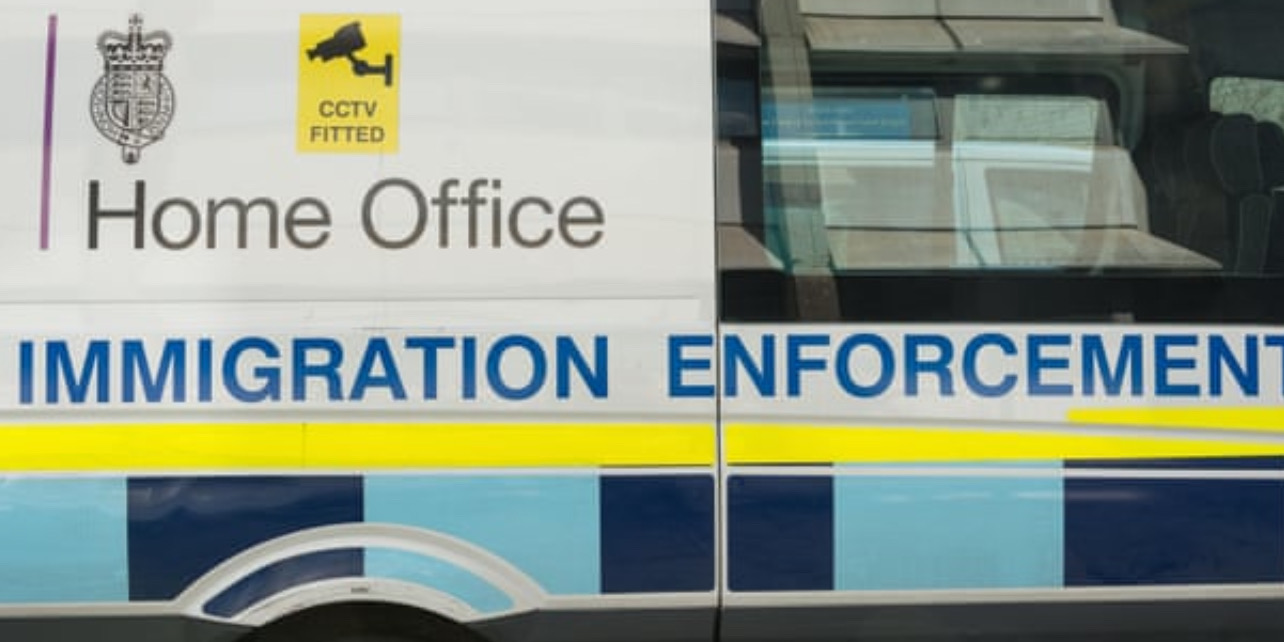
The UK government’s deportation policy is under fresh legal scrutiny this week, as lawyers prepare to contest the removal of asylum seekers to Bulgaria, citing allegations of mistreatment and unsafe conditions that may breach international human rights laws.
Since Labour came to power in July 2024, over 24,000 individuals have been returned from the UK—either voluntarily or through enforcement—government data shows.
Among them, more than 200 people were deported to Bulgaria, a country with which the UK holds bilateral return agreements based on prior asylum claims registered there.
However, legal representatives are arguing that deporting individuals back to Bulgaria violates Article 3 of the European Convention on Human Rights, which prohibits torture and inhumane or degrading treatment. Human rights organisations have raised the alarm over multiple reports of abuse, neglect, and coercion by Bulgarian authorities.
In a high-profile case from late December 2024, Bulgarian border officials were accused of failing to respond to emergency calls that might have saved three Egyptian teenagers stranded in freezing temperatures.
Although Bulgaria’s interior ministry claimed border forces acted appropriately, discrepancies in the response and locations of the bodies have fuelled criticism.
Furthermore, evidence gathered by The Guardian suggests that Syrian asylum seekers have been forced to sign so-called “voluntary return” documents under duress, sometimes following physical violence.
Bulgaria’s refugee agency has denied these claims, but testimony from humanitarian groups like No Name Kitchen (NNK) contradicts those denials.
NNK revealed this week that it had recorded statements from 21 individuals—17 of them Syrian nationals—who were returned to Bulgaria from across Europe. Most said they were later pressured to sign repatriation agreements.
One young Syrian woman deported from Germany said Bulgarian officials threatened her with 18 months of detention unless she agreed to return to Syria. Another individual deported from the UK reported repeated beatings by Bulgarian police, leaving him with a broken nose.
Public law experts from Duncan Lewis Solicitors are currently representing several asylum seekers challenging their deportation to Bulgaria in UK courts. George Sheldon Grun, a caseworker at the firm, said:
“Despite Bulgaria being classed as a safe third country, the conditions many face there clearly contravene basic human rights. These removals risk violating the UK’s legal obligations.”
Concerns over Bulgaria’s asylum infrastructure were echoed in a March 2025 report by the European Council on Refugees and Exiles, which highlighted dire accommodation standards—ranging from rodent infestations to the lack of food, hot water, and sanitary facilities.
Ana Carolina Fisher da Cunha, a human rights lawyer and co-author of the NNK report, warned: “Bulgaria’s asylum system is broken. European nations can no longer justify returns on the basis that Bulgaria offers safety. Those sent back face serious risk—not only in their countries of origin, but within the EU itself.”
In response, a Home Office spokesperson stated: “As the public rightly expects, anyone unlawfully in the UK with refugee status in another country will be removed and returned back to that country if deemed safe to do so.”
