
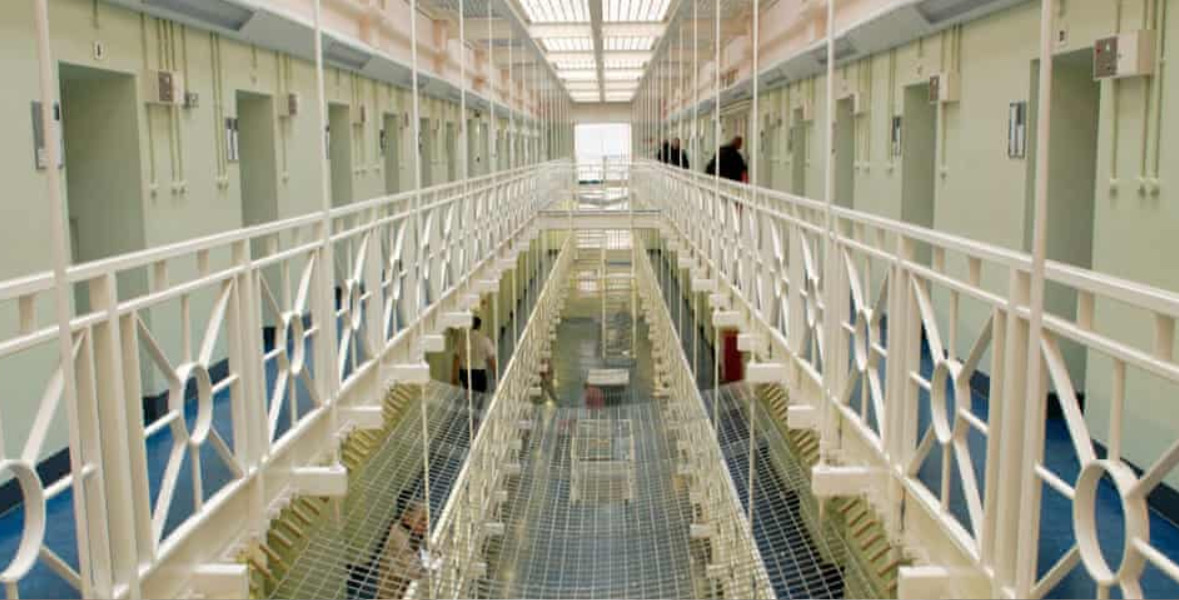
The UK government is under fire after confirming that some domestic abusers could be released early under new emergency prison recall reforms aimed at easing overcrowding in jails across England and Wales.
The controversial policy could see offenders serving one to four-year sentences returned to custody for only 28 days if they breach licence conditions, sparking widespread concern from victims’ rights groups and politicians.
Justice Secretary Shabana Mahmood announced the measures as a short-term response to capacity pressures in prisons. However, while Treasury Minister Emma Reynolds initially claimed on Times Radio that “it won’t apply to sexual offenders and domestic abusers”, a government source later contradicted her, admitting that “many but not all” domestic abusers are excluded from the scheme.
The criteria for exclusion reportedly depend on risk assessments and sentence length. Offenders serving more than four years, or those under higher-risk supervision involving multiple agencies, will be exempt. Still, the government has yet to disclose how many domestic or sexual abusers will benefit from the shortened recall period.
Victims’ Advocates Condemn the Measures
Nicole Jacobs, the Domestic Abuse Commissioner for England and Wales, warned that the policy puts lives in danger, stating: “You are not sent to prison for four years if you do not pose a significant risk. Re-releasing them after 28 days is simply unacceptable.”
She also criticised the lack of accurate data on how many domestic abuse offenders are currently imprisoned or monitored, saying the government is “unable to safely exempt all abusers” due to poor record-keeping.
Helen Newlove, the Victims’ Commissioner, also condemned the plans, labelling them a “short-term, stopgap” that undermines public confidence in justice and endangers survivors.
Opposition and MPs Demand Transparency
In Parliament, Shadow Justice Secretary Robert Jenrick called the decision “wildly unpopular” and accused the government of choosing early release over harsher enforcement. He criticised Mahmood for rejecting judicial offers to hold more court sittings, instead opting to release reoffending criminals after a short recall period.
Former Defence Secretary Gavin Williamson and other MPs pressed ministers to provide exact figures on how many domestic abusers could qualify. Justice Minister Nic Dakin promised to respond in writing and reiterated that high-risk offenders and those convicted of terrorism would remain excluded.
Crisis Rooted in Growing Recall Numbers
The crisis is partly driven by the growing number of prisoners held under recall, which has risen from 100 in the 1990s to over 13,000 today—now making up more than 15% of the UK prison population, according to Labour MP Andy Slaughter.
He urged a systemic review of the recall process, warning that emergency measures alone cannot address the structural issues behind prison overcrowding.