
British security officials are reportedly investigating potential Russian involvement in a string of arson attacks targeting properties linked to UK Prime Minister Sir Keir Starmer.
According to The Mail on Sunday and Sunday Mirror, senior Whitehall sources confirmed suspicions that the Kremlin may have been behind the incidents.
Three men – two Ukrainian nationals and a Romanian citizen – have been charged in connection with fires set at two properties and a vehicle once owned by Sir Keir before he moved into Downing Street.
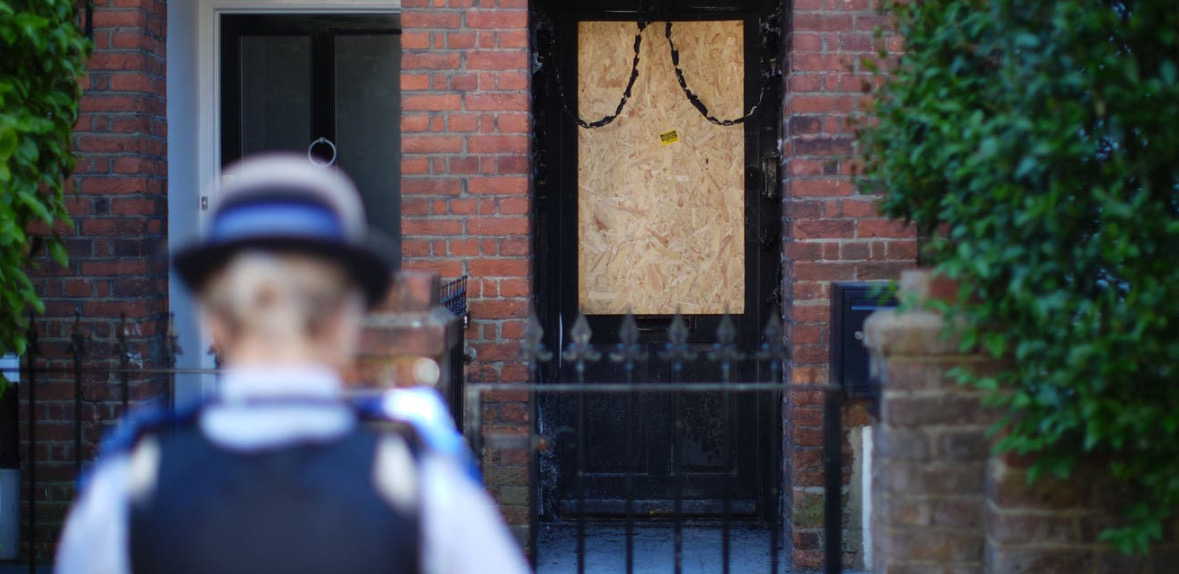
The Met Police’s Counter-Terrorism Command is leading the inquiry due to the high-profile nature of the targets, which include Starmer’s former residence in Kentish Town and a neighbouring vehicle he previously sold.
Authorities are now probing whether the suspects could have been acting under the direction of Russian intelligence.
The accused – Roman Lavrynovych, 21, a Ukrainian builder and aspiring model from Sydenham; Stanislav Carpiuc, 26, a Ukrainian-born Romanian also describing himself as a model, who was detained at Luton Airport; and Petro Pochynok, 34, a self-styled fashion entrepreneur apprehended in Chelsea – all face charges of conspiracy to commit arson with intent to endanger life.
During a preliminary hearing at Westminster Magistrates’ Court, prosecutor Sarah Przybylska noted the motivations behind the attacks remain “unexplained.”
All three defendants have denied the allegations and are currently remanded in custody, awaiting a court appearance at the Old Bailey scheduled for 6 June.
The fires in question occurred on 8, 11, and 12 May, with one targeting a Toyota Rav4 in Kentish Town, another at the entrance of a property in Islington, and a third fire at Starmer’s previous north London home.
While the Metropolitan Police declined to comment on any possible Russian connections due to ongoing legal proceedings, a security insider told the Sunday Mirror: “Russian involvement was the first scenario considered after the attacks. There is a history of the Kremlin authorising such acts, often followed by poor or no attempts at concealment.”
