
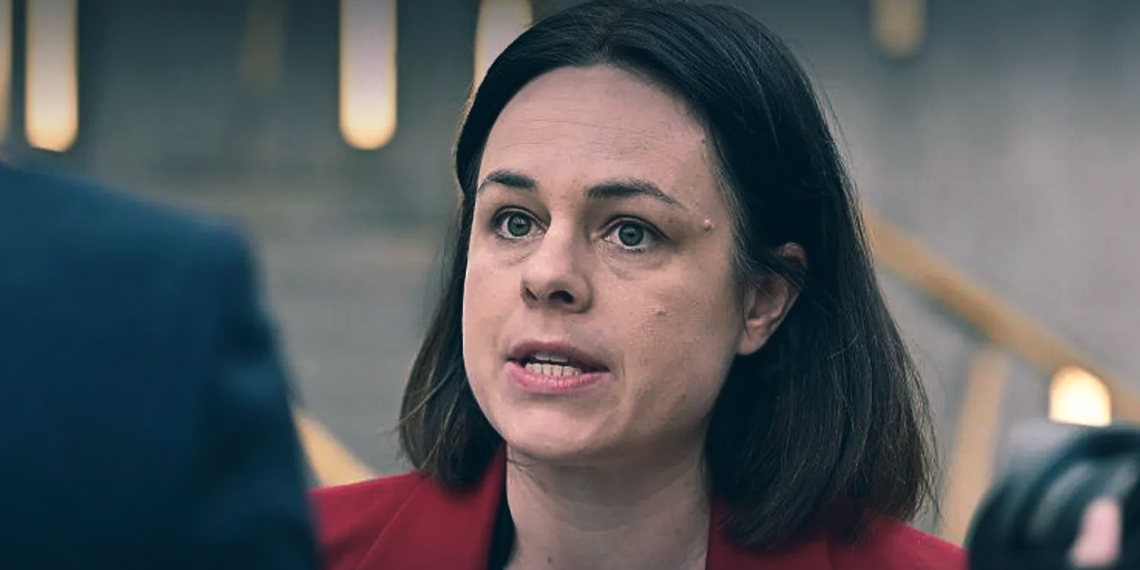
Scotland’s Deputy First Minister Kate Forbes has warned that the country’s care sector will be severely impacted by the UK government’s plans to tighten immigration policy. As debate intensifies over net migration, Forbes called for a Scotland immigration system distinct from Westminster’s, citing the nation’s unique demographic and workforce needs.
The remarks come in response to Prime Minister Sir Keir Starmer’s announcement of a sweeping overhaul aimed at “taking back control” of UK borders. His proposals include cutting recruitment of care workers from overseas, imposing higher English language requirements, and enforcing stricter rules on graduate and skilled worker visas.
Scotland’s care sector under threat, says Forbes
Speaking on BBC Radio’s Good Morning Scotland, Forbes expressed “absolute astonishment” at the plans, which she called “baffling” to those working in health and social care. “I am in no doubt whatsoever that our care system is going to suffer,” she said, pointing to Scotland’s ageing population and growing workforce shortages.
She noted that with a population of just five million, Scotland faces distinct economic and demographic pressures and needs a more tailored approach to immigration.
Push for a Scottish visa system reignited
Forbes reiterated calls for a separate Scottish visa to address regional needs — a proposal previously rejected by the UK government. She argued that many of Scotland’s public services, employers, and investors are struggling to recruit qualified staff, and that national policies fail to reflect the country’s specific realities.
She also voiced concerns about new restrictions on graduate visas, highlighting the vital contribution of international students to Scotland’s economic growth.
UK immigration reforms spark national debate
Unveiling the reforms, Starmer criticised the Conservative government for allowing net migration to rise to nearly one million in 2023, likening the surge to “almost the size of Birmingham.” He insisted that “fair rules” are essential to a cohesive society and announced that migrants would now need to live in the UK for 10 years before applying for citizenship, except for fast-tracked high-contributors like doctors and nurses.
The White Paper also outlines higher English language requirements for all visa routes, including for adult dependants, and restricts skilled worker visas to university graduates only.
As tensions mount between devolved administrations and Westminster, the issue of immigration remains a flashpoint in the broader debate over Scotland’s autonomy and future within the UK
