
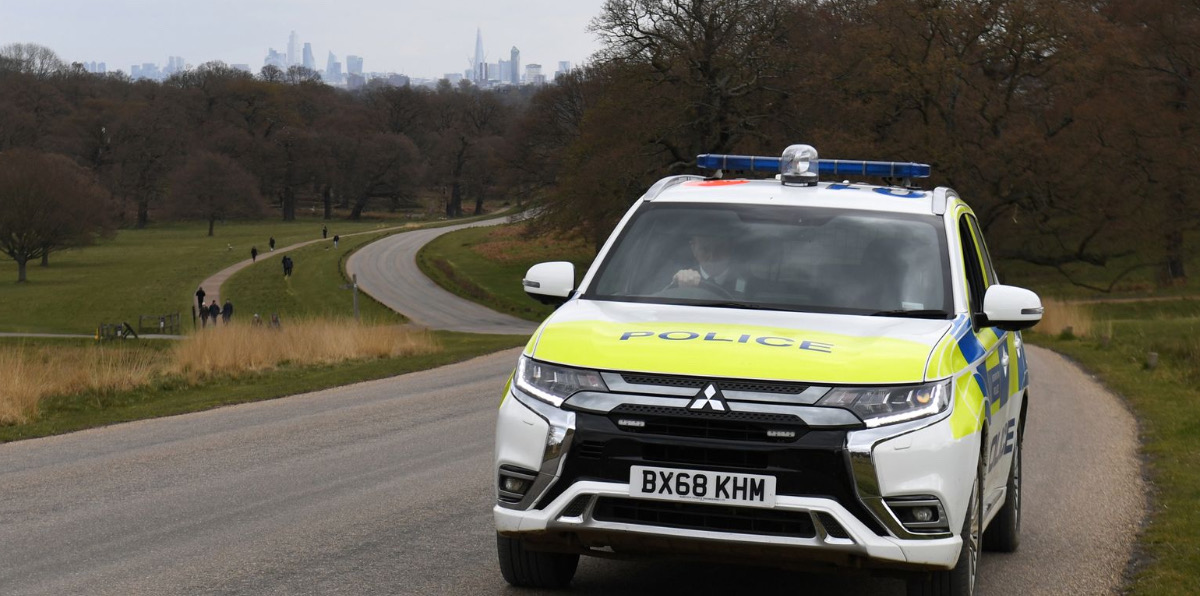
The Metropolitan Police is set to disband its dedicated Royal Parks policing unit this November in a cost-cutting move aimed at addressing a £260 million funding deficit, ending over 150 years of specialised patrols across London’s most iconic green spaces.
Currently, around 80 officers are assigned to safeguard the capital’s Royal Parks—including Hyde Park, Regent’s Park, and Richmond Park—handling everything from serious crime investigations to protecting wildlife and managing high-profile events such as the Changing of the Guard.
These officers will now be reassigned to local neighbourhood policing teams.
The Royal Parks charity, which oversees the 5,000 acres of historic parkland, expressed disappointment at the decision and confirmed it is working with the Metropolitan Police to ensure public safety is not compromised.
Local leaders and campaigners have warned the move could lead to a surge in criminal activity.
Gareth Roberts, Liberal Democrat Leader of Richmond Council and London Assembly Member, described the decision as “deeply troubling”, noting that policing such vast spaces—comparable in size to Heathrow and Gatwick airports combined—without dedicated officers could invite further criminal behaviour.
Crimes recorded across the parks rose by approximately 33% in the past year, increasing from 76 incidents in 2022/23 to 101 in 2023/24, according to the Royal Parks’ latest annual report.
Reported offences include sexual assaults, phone thefts, drug-related crimes, and violent threats against cyclists targeted for their high-value bikes.
Some of the more unusual crimes involve gangs using dogs to chase deer at night, prompting them to shed antlers that are later sold online.
The decision comes as the Met plans to cut 1,700 roles and reduce public services, despite receiving increased funding from central and local government.
Commander Owain Richards confirmed in a letter last week that the Royal Parks unit would be fully dissolved by 1 November, calling it “a tough decision made with regret”.
Local policing teams—already stretched thin—will now assume responsibility for the parks, as is the case in other London green spaces like Brockwell Park and Clapham Common. However, critics argue this shift will leave the parks under-policed.
A spokesperson for the Met insisted that emergency responses, hotspot patrols, and support for public events in the Royal Parks will continue, but doubts remain among officials and residents.
Rachel Blake, Labour MP for the Cities of London and Westminster, said she was “deeply concerned”, adding that specialist officers cannot simply be replaced by already overstretched local teams.
She urged the Met to ensure a “like-for-like” policing model to protect the millions who rely on London’s parks.
