
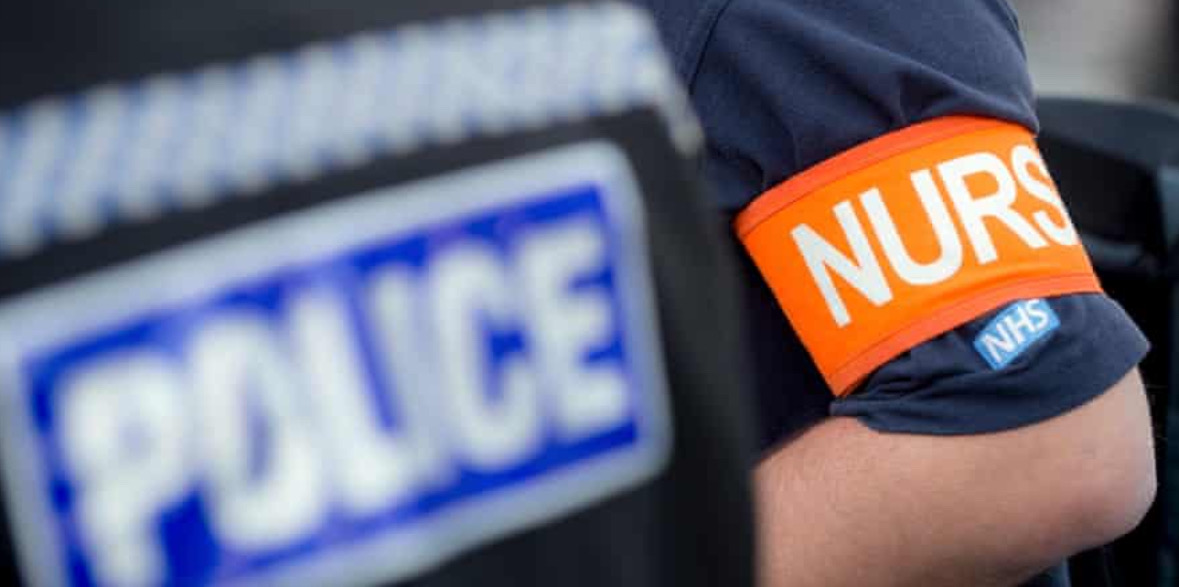
A controversial proposal to allow NHS staff to detain people experiencing a mental health crisis instead of the police has sparked fierce backlash from leading doctors, nurses, and mental health professionals. Medical bodies argue the move is not only unsafe but could also undermine trust between healthcare workers and vulnerable patients.
Plans to amend the Mental Health Act in England and Wales have ignited a growing dispute between government figures and healthcare professionals. Former Prime Minister Theresa May, alongside two former health ministers, is backing legislative amendments that would permit mental health staff to detain and restrain individuals experiencing a crisis — a role historically reserved for the police.
The proposed change would authorise mental health nurses, psychiatrists, and doctors to act under the Mental Health Act without police support. Critics say the shift could put NHS staff in physical danger and destroy fragile therapeutic relationships with patients.
Medical Bodies Unite in Opposition
A coalition of eight major medical and social care organisations — including the Royal College of Psychiatrists, Royal College of Nursing, British Medical Association, and the College of Paramedics — has issued a joint statement condemning the plan. They argue that responding to mental health emergencies requires police involvement due to the inherent risks involved.
The Royal College of Psychiatrists’ president, Dr Lade Smith, described the amendments as “inappropriate,” stressing that detaining someone in crisis is a form of arrest that demands legal authority and specialist training. She added that expecting clinicians to act as enforcers undermines their core role in providing therapeutic care.
Police Leaders Back the Proposal
Despite the opposition from medical groups, police leaders, including the National Police Chiefs’ Council, support the proposed changes. They believe authorised medical professionals should be empowered to handle mental health incidents directly, reducing the need for criminal justice involvement and helping patients avoid stigmatisation.
The police maintain they will continue to attend high-risk incidents, including those involving potential harm or criminal behaviour, but want healthcare professionals to take greater responsibility for lower-risk mental health emergencies.
Ministers and MPs Voice Concern
Health ministers and opposition MPs have also raised serious reservations. Labour’s Rosena Allin-Khan, an A&E doctor and former shadow mental health minister, warned that turning clinicians into law enforcers could expose them to harm and erode public trust.
A spokesperson for the Department of Health and Social Care echoed these concerns, stating that such a shift would burden an already stretched NHS and may jeopardise both patient and staff safety.
The debate reflects broader tensions over the role of law enforcement in mental healthcare, echoing previous criticism of the Metropolitan Police’s 2023 decision to stop responding to most mental health-related 999 calls unless there was a threat to life.
As the amendments to the Mental Health Bill continue to spark division, the future of crisis intervention in mental healthcare hangs in the balance. Critics warn that replacing police with NHS staff in such volatile situations risks both lives and the integrity of the healthcare system.
