
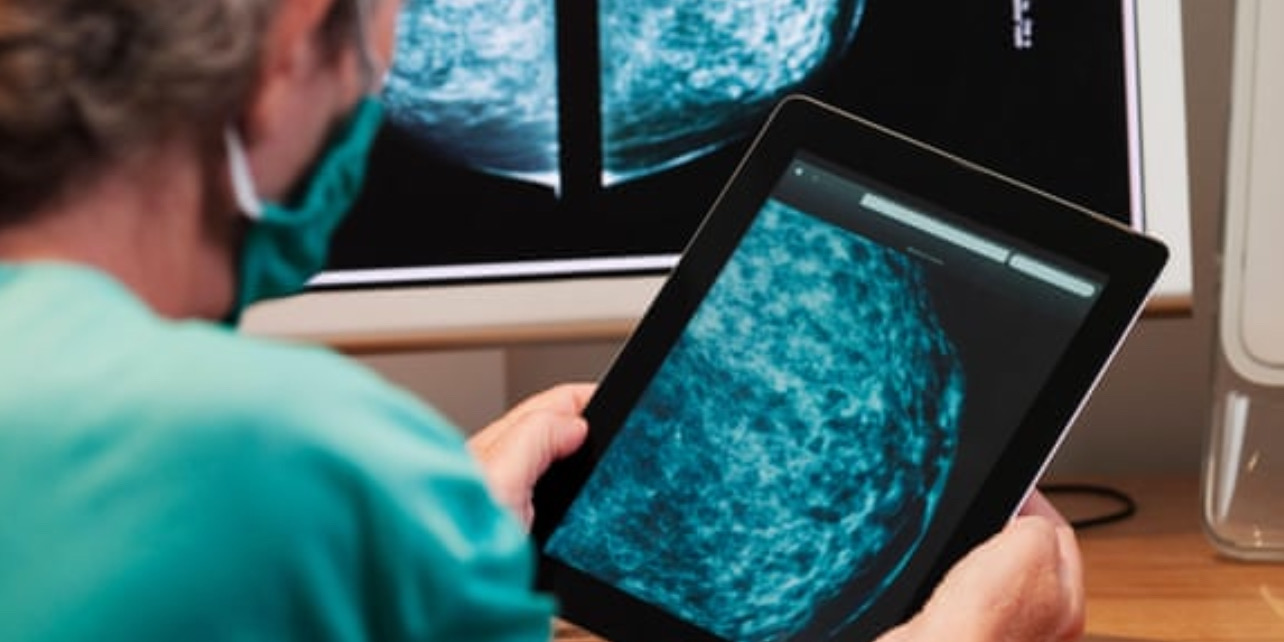
Cancer patients across England are set to receive quicker diagnoses and improved treatment pathways with the nationwide rollout of a new digital system, Cancer 360, announced by the Department of Health and Social Care (DHSC).
The innovative platform will unify cancer patient data into one streamlined system, allowing NHS clinicians to identify urgent cases more effectively and accelerate access to care.
Designed to replace outdated analogue methods, Cancer 360 eliminates the need for staff to sift through scattered spreadsheets, emails, and paper records, offering a comprehensive digital view of each patient’s journey.
Dr Vin Diwakar, Clinical Transformation Director at NHS England, said: “Every cancer patient deserves timely, effective treatment. Cancer 360 leverages real-time data to help clinicians spot and remove delays in care. As this technology expands across NHS trusts, we expect to see significant gains in treatment speed and patient satisfaction.”
Although NHS trusts will not be mandated to adopt the system, those failing to meet national cancer care standards—such as ensuring 85% of patients begin treatment within 62 days of referral—may be encouraged to implement Cancer 360 to close performance gaps.
According to the DHSC, the system is also expected to improve early cancer detection, reduce treatment delays, and raise survival rates.
The tool has already shown promising results during pilot programmes at the Royal United Hospital in Bath and Chelsea and Westminster Hospital, where it helped clinicians meet the NHS’s faster diagnosis standard of delivering a cancer verdict or all-clear within 28 days.
Health Secretary Wes Streeting confirmed the government is investing £26 billion in the NHS as part of a broader recovery effort, noting: “This investment is already delivering results—over 3 million more appointments, 1,500 new GPs, and the launch of life-saving technologies like Cancer 360.”
Technology Secretary Peter Kyle, reflecting on personal experiences, criticised the reliance on outdated tools such as Post-it notes and paper files, saying: “No one’s life should depend on whether a sticky note holds or a form goes missing. We have the tools to modernise our system—and we must use them.”
The initiative was widely welcomed by leading health organisations. Eve Byrne from Macmillan Cancer Support said: “With 3.5 million people in the UK living with cancer, the need for timely diagnosis and treatment has never been more critical. This digital rollout could help address long-standing inequalities and improve outcomes.”
Professor Phil Banfield, Chair of Council at the British Medical Association, praised the innovation, stating: “This is a step forward in replacing outdated NHS infrastructure. But for genuine transformation, the system must be supported with sufficient investment and staffing.”
